
 This story by Hamid Ismailov is set in contemporary Russia amid the mass migration of impoverished labourers from former Soviet Central Asian republics. A highly regarded Uzbek sculptor who has integrated into Moscow’s artistic community over a period of fifty years tries to distance himself from his heritage. Unfortunately, a phone call seeking help from an unscrupulous nephew he has never seen upends his comfortable life and costs him a large cache of money he had secreted away from his wife. Themes include displacement, denial, cultural identity, family duty, grift, guilt.
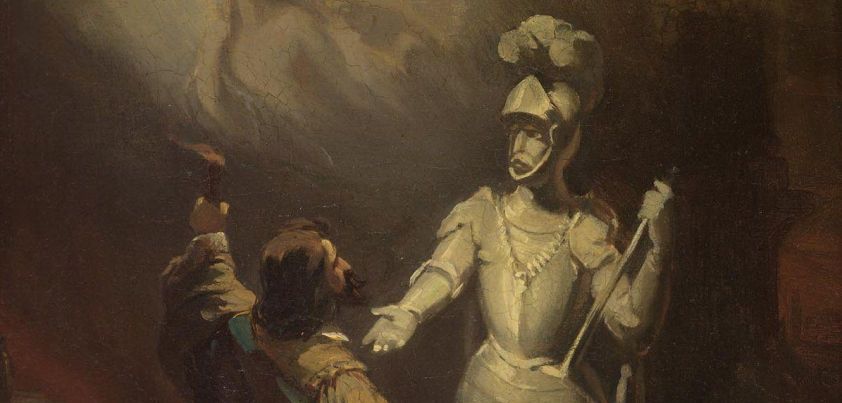
It is widely believed that the title is an allusion to Alexander Pushkin’s poetic drama of the same name, based on the life of the legendary Spanish womanizer Don Juan. In the play, the statue of a man Don Juan killed “comes alive” and drags him to hell for his sins.
In the story, the sculptor has spent years assimilating into Russia’s artistic community and, in the process, distancing himself from his Uzbek heritage. The penultimate paragraph describes the corpse of the sculptor’s nephew as being “like a stone statue” as it is carried from jail to a waiting hearse. The influx of Uzbek migrants, exemplified by his grifting nephew, shatters the sculptor’s persona and forces him to face the fact that he is, after all, part of the Uzbek diaspora. The message… it is not easy to escape your heritage. No matter how much you try, one day you are likely to be confronted by it.