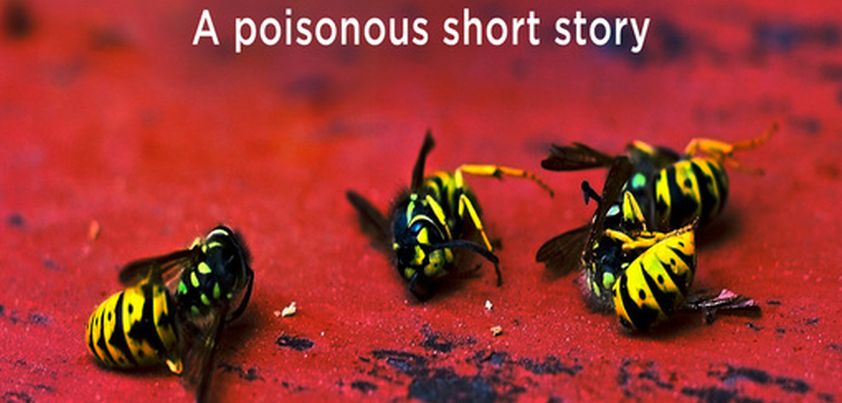
A Family Supper

A Family Supper: Short story by Kazuo IshiguroA common feature of Kazuo Ishiguro stories is their ambiguous endings. A young Japanese man returns home after living in America following a falling out with his parents. His mother has died from eating poisonous fugu fish, and his father feels disgraced over the collapse of his business. As a matter of honour, his business partner killed his family and committed suicide following the collapse. At the end of the day, the family sits down to a delicious fish supper prepared by the father. Themes include change (heritage and tradition vs. modernity), generational conflict, family disconnection, grief, guilt, “honour”, murder-suicide.
Continue ReadingA Family Supper

The Weight of a Gun

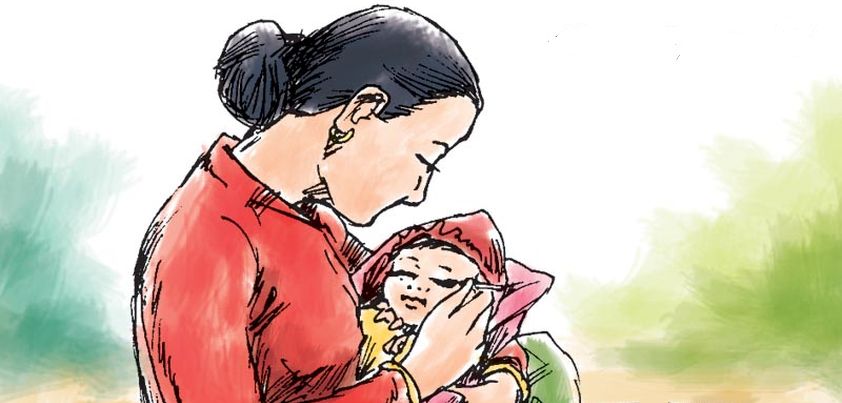
The Weight of a Gun: Short story by Samrat UpadhyayIn this emotionally charged story by Samrat Upadhyay, a divorced woman tries desperately to prevent her schizophrenic adult son from self-harming or harming others. When she discovers that he has bought a gun and possibly joined Maoist rebels, she seeks help from his father. In the process, she befriends his pregnant, emotionally overwrought new wife who is being shunned by her family. As soon as the baby is born, the new wife does a runner and the husband follows, “temporarily” leaving the baby in her care. Themes include motherhood and motherly love, mental illness, loneliness and isolation, insensitivity, anxiety, superstition.

Continue ReadingThe Weight of a Gun

The Alienist

The Alienist: Novella by Joaquim Maria Machado de AssisIn this satirical novella by Joaquim Maria Machado de Assis, a brilliant physician relocates to his hometown in Brazil and convinces the council to build the region’s first madhouse. Rebellion stirs when, having incarcerated all the truly insane, the overzealous doctor begins to lock up townspeople who are eccentric or unusually talented. As the number of inmates reaches 80% of the population, the doctor decides upon a new definition of madness. Everyone is released, new townspeople are taken in and treated, until eventually only one “madman” remains. Themes insanity, ambition, scientific fallibility, abuse of power, self-serving politics, revolution and counter-revolution.

Continue ReadingThe Alienist

Marigolds

Marigolds: Short story by Eugenia CollierIn Eugenia Collier’s Marigolds the protagonist comes of age (or in her words loses her innocence) when caught in a senseless act of destruction. Angry about her father’s shame over not being able to find work, she lashes out at the garden of a neighbor who is trying to bring beauty and happiness into her life by growing marigolds. Ironically, the neighbor and her disabled son are even more destitute than the protagonist’s family. Themes: childhood memories, poverty, shame, envy, impulsiveness, empathy, guilt and possibly racism (the resentful references to “white folks” and comments about Miss Lottie’s “Indian-like” features).

Continue ReadingMarigolds

Rules of the Game

Rules of the Game: Short story by Amy TanThe title of this story by Amy Tan refers to both the game of chess and the game of life. A Chinese-American mother’s term for one important rule is the art of invisible strength (self-control). The story deals with a number of themes: poverty, respect (for parents, others and one’s cultural heritage), pride vs. humility, passion and dedication, and mother/daughter relationships. At the end of the story, both fail in exercising the art of invisible strength. The mother’s understandable pride leads to bragging; the daughter’s response is rudeness and running away. Whose wind (willpower) will blow the strongest?

Continue ReadingRules of the Game

How Much Land Does a Man Need?

How Much Land Does a Man Need?: Short story by Leo TolstoyIn this Leo Tolstoy story, a Russian peasant thinks to himself: Our only trouble is that we haven’t enough land. If I had a lot of land, I shouldn’t fear the Devil himself! The Devil ‘overhears’ this and puts him to the test. The more land the man gets, the more he thinks he needs. He hears of a place where for almost nothing you can buy all the land you can walk around in a day. In rushing to encircle as much land as possible, he learns the answer to the titular question. Themes: class, exploitation, temptaion, envy, avarice.

Continue ReadingHow Much Land Does a Man Need?

Wasps’ Nest

Wasps' Nest: Short story by Agatha ChristieToday we are featuring a story from the great Agatha Christie. Unusually for a detective story, it involves an investigation into a murder that is yet to be committed. Hercule Poirot makes a surprise visit to an old friend and asks him to help prevent the murder. When told that the plot involves a friend of the man who has reason to hate him, he refuses to believe Poirot. Thanks to some very unlikely coincidences and skills learned from a grateful pickpocket, Poirot prevents both the murder and a suicide. Themes: friendship, rivalry, hatred, revenge, redemption, xenophobia.

Continue ReadingWasps’ Nest

The Glamour of the Snow

The Glamour of the Snow: Short story by Algernon BlackwoodIn this story by Algernon Blackwood, a writer for whom the spell of Nature was greater than all other spells in the world combined takes an extended working holiday at a Swiss alpine resort. A spur of the moment decision to go ice-skating alone after midnight results in an encounter with a spectral woman who suddenly disappears and dominates his thoughts for days. At their next meeting, at her “home” high on a snow-covered mountain, she triess to make him hers. Themes include the beauty and menace of nature, religion vs. paganism, isolation, demonic seduction, the supernatural.

Continue ReadingThe Glamour of the Snow