
President Cleveland, Where Are You?
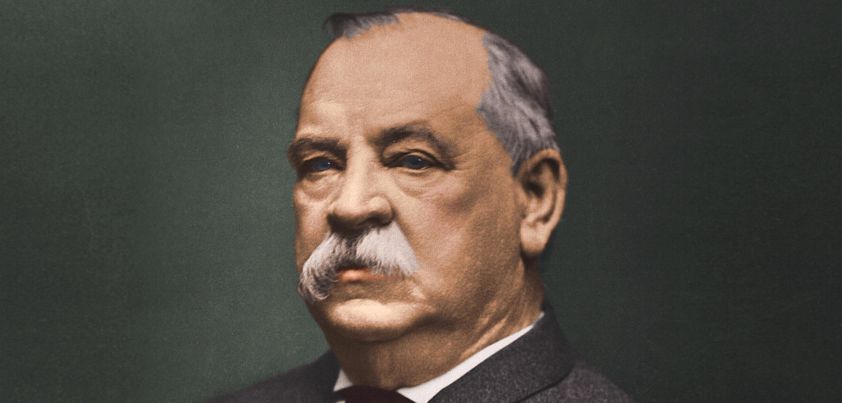 This coming of age story by Robert Cormier is set in simpler times (the 1930s), where the highlight of the day for many young boys was collecting and swapping trading cards to complete a full set. There is intense rivalry between protagonist Jerry, his friend Roger, and their arch-rival Rollie. Initially it is over Cowboy cards but, when these are replaced by President cards, all the boys in their neighborhood are desperate to find the elusive President Cleveland card. Jerry is the first to find one, but doesn’t have it for long. Themes: family, friendship, choices, sacrifice.
 This story from Cuban writer María Elena Llana uses a combination of humour and magical realty to highlight the potentially fatal consequences of pride. The victim (Clara), having excelled at university but never bothered to look for work, seems to think her formal education puts her above other family members. One evening, while “holding court” over dinner with her extended family (both living and dead) she learns the error of her ways. The next day she finds herself sitting on the other (dead family’s) side of the table. Themes: pride, acceptance of the unusual, the supernatural.
 In this Swahili folktale, a monkey accepts the offer of a ride on a shark’s back to see the wonders under the sea. Once at sea, the monkey learns that the real reason for the trip is that the shark king needs a monkey’s heart to cure an illness. The monkey tricks the shark into returning. He then explains the trick by telling a story about a donkey, a hare, and a lion. One of the animals kills another. The third animal cooks it, but tells the killer there is no heart. Can you match the animals to the outcome?
 Major themes of this story by
  In this coming of age story by
  In this story by
  In
In  This story by