
Separating
 Marriage break-ups, especially where children are involved, can be stressful for all concerned. John Updike’s Separating is written from a self-absorbed husband/father’s point of view. Ironically, despite Richard’s inferred infidelity, Updike reverses traditional gender roles by painting him as the weepy, emotional victim and his wife Joan as the heartless, unforgiving partner pushing for separation. The children demonstrate varying levels of understanding and acceptance. Older son Dickie’s “romantic” kiss highlights the confusion among them, and Richard’s shallowness finally shows through in his inability to answer Dickie’s obvious question. Themes: family, marriage, separation, anguish, guilt, confusion, regret.
 This story from
  The major themes of this Christmas story from
  In this touching story by
 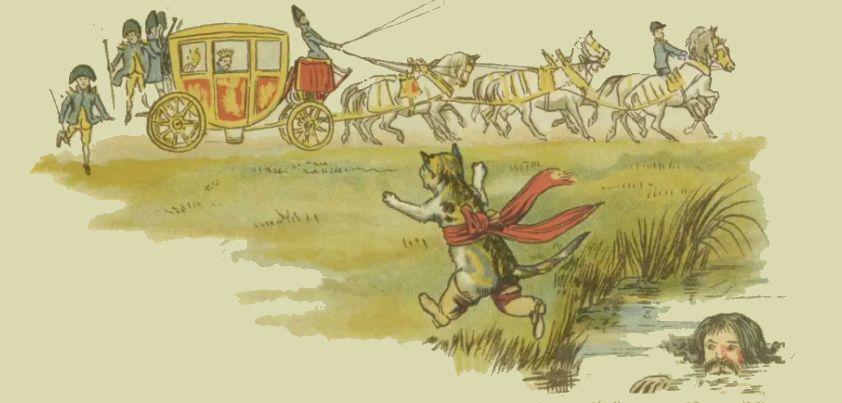 Puss in Boots is sometimes criticized for the mixed message it sends to children. Derived from a 14th Century Italian folktale, a clever cat helps its slow-witted master win the heart of a princess through trickery, lies, threats and theft. To condemn the story because of this seems a little unfair, since folklore is full of likeable tricksters whose crimes are far worse than the cat’s. These characters often play an important role, challenging traditional beliefs through satire. Here, the cat’s actions show up both the greed and gullibility of the king and the shallowness of his daughter.
 This memoir from
  The theme of this
  From the opening line of this