
Blow-Up
 After a commentary on the role of perspective and the art of storytelling, this Julio Cortázar story goes on to describe how an amateur photographer captures an image that seemingly comes alive, rewriting its narrative. While taking the photograph (of an adolescent boy in an obviously uncomfortable discussion with an adult woman) he comes up with several possible interpretations of what is taking place and what may happen afterwards. Things take a dark turn when he realizes that a man in a nearby car is part of the narrative. Themes include storytelling, narrative perspective, speculation, obsession, artistic imagery vs. reality.
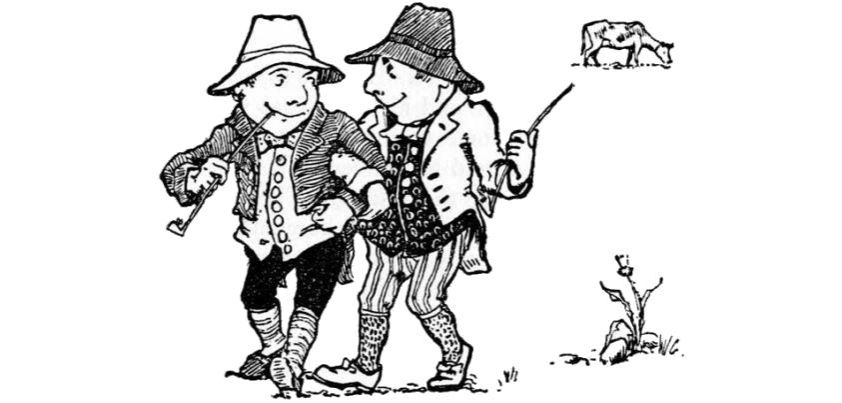 No one can make fun of themselves like the Irish. This quite funny folktale is about two well-off but foolish farmers named Hudden and Dudden. They will do anything to get their hands on a small piece of land between their two farms. This land belongs to a poor but clever man named Donald O’Neary. The story begins simply enough with Hudden and Dudden deciding to poison Donald’s faithful cow. Things escalate from there with Donald becoming rich and three people dying. By the end of the story, justice appears to have been served. But has it really?
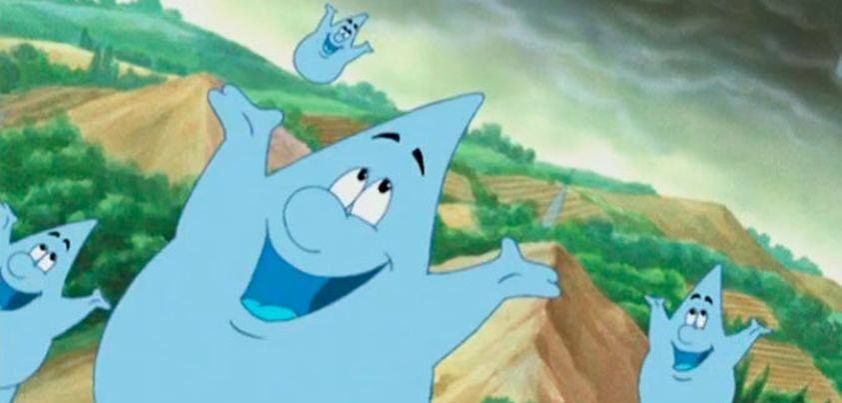 Sometimes a short, simple children’s story can carry a powerful message for people of all ages. Adapted from an old fable by
 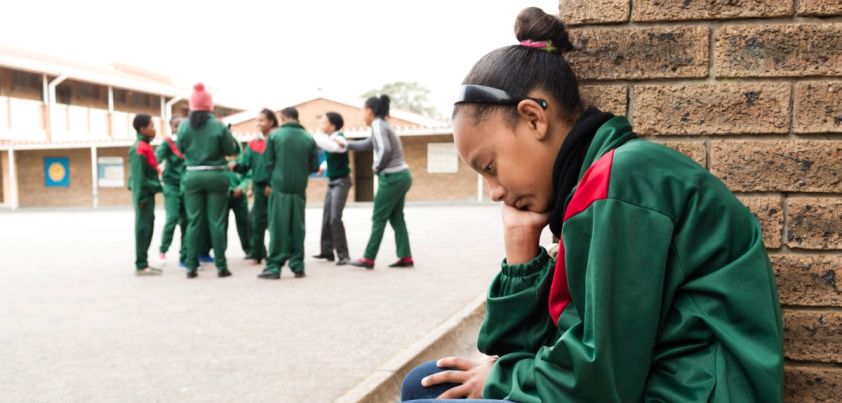 The themes of this distressing story from
 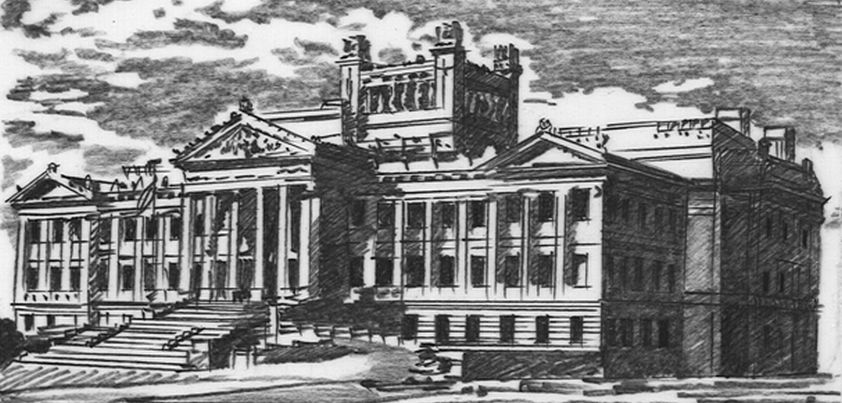 The major theme of this satirical tale by
 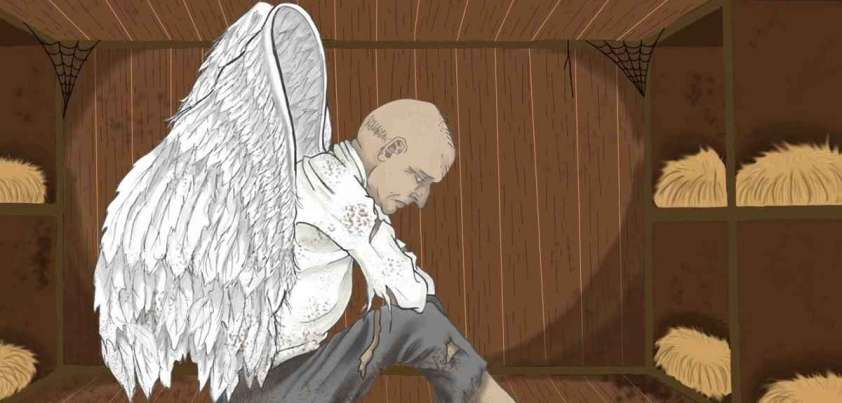 The major themes of this story by
  This story by
  Have you ever asked someone if you could borrow something, and then watched them go to so much trouble looking for it that you wish you hadn’t asked? If so, you will understand the building frustration of the man in this