Adam and Eve and Pinch Me

Adam and Eve and Pinch Me: Short story by A. E. CoppardIn one of A. E. Coppard’s more enigmatic stories, a confused man finds himself unable to open the doors in his house or communicate with his three children or servants. The inference is that he is dead and doesn’t know it. Relief comes when he awakens from a daydream with his wife beside him. However, he has a different identity and the third child featured in the dream, who had special powers, has not yet been born. Themes include the convergence of reality and fantasy, death, family, frustration, anger, precognition, identity.

Continue ReadingAdam and Eve and Pinch Me

Jeeves Takes Charge

Jeeves Takes Charge: Short story by P. G. WodehouseThis story is from Carry on Jeeves, the third of seventeen “Jeeves books” by P. G. Wodehouse. Its significance is that we learn how Bertie Wooster, a likeable but hapless upper-class layabout living off family money, came across and learned to depend upon his wonder valet Jeeves. In his first forty-eight hours on the job, Jeeves saves Bertie from losing his inheritance, and helps him avoid what would have been an even worse fate – marriage to Florence, his dominating, snobby fiancé. Themes include engagement and marriage, social class and wealth, scandal, master-servant relationships.

Continue ReadingJeeves Takes Charge

A Distant Episode

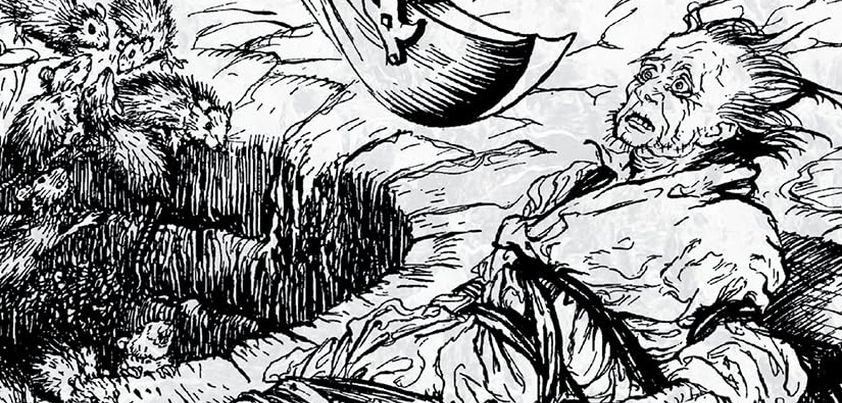
A Distant Episode: Short story by Paul BowlesIn this story by Paul Bowles a Moroccan café worker lures a patronizing Western linguist to a quarry where he is kidnapped by a feared nomadic tribe. He is beaten, has his tongue cut out, and over the next year dehumanized by having to perform clown-like antics to entertain the tribe during their travels. The constant indignity breaks down his reasoning which, despite a moment of awareness when they sell him to another tribe, ends in insanity and a mad rush into the night. Themes include arrogance, cultural naivety, cruelty, dehumanization, (loss of) identity, madness.

Continue ReadingA Distant Episode

The Treasure of Lemon Brown

The Treasure of Lemon Brown: Short story by Walter Dean MyersThe ‘Treasure’ in this Walter Dean Myers story comprises press clippings and an old harmonica that Lemon Brown gave his son before he went off to war. Their value lies in the memories they represent. Meeting Lemon teaches protagonist Greg about the human side of homelessness, and that not all match the stereotype of being dirty, lazy or crazy. He also learns to be more appreciative of his father’s efforts to build a career after having to leave school at thirteen. We are left wondering if it will also result in Greg trying harder at math. Themes: father-son relationships, homelessness.

Continue ReadingThe Treasure of Lemon Brown

The Postmaster

The Postmaster: Short story by Rabindranath TagoreFor me, the major theme of this Rabindranath Tagore story is the insensitivity towards others under India’s caste system. An inexperienced postal officer from a big city is sent to work in a remote rural village. He lives a lonely, isolated life because class differences and immaturity make it difficult for him to integrate into the local community. His only companion is his housekeeper, a young orphaned girl. The two develop a strong bond, which leaves the devoted girl shattered with her callous treatment when he decides to leave. Other themes: natural beauty, alienation, loneliness, memories, family, companionship, guilt.

Continue ReadingThe Postmaster

The Machine That Won the War

The Machine That Won the War: Short story by Isaac AsimovThis story by Isaac Asimov remains relevant today as technology plays an increasing role in controlling everything from military applications to crucial infrastructure. An inter-planetary war has been won, Earth is safe, and three men bask in the glory. Ironically, it wasn’t won by a machine or any of the three ‘experts’. It was won either by chance or because of problems experienced by the enemy. Pointedly, no thought is given to the rights and wrongs of the war, or the suffering on both sides. Themes include war, hubris, the fallibility of machine and human decision-making, chance.

Continue ReadingThe Machine That Won the War

Mrs. Bathurst

Mrs. Bathurst: Short story by Rudyard KiplingA major theme of this enigmatic story by Rudyard Kipling is the potential destructive power of love. Interestingly, we never meet the two central characters: Mrs. Bathurst, a New Zealand hotel keeper renowned for her kindness to needy sailors, and “Click” Vickery, a naval warrant officer who once had a serious affair with her. Vickery becomes so obsessed with a cinematograph clip in a traveling circus showing Mrs. Bathurst in London that he deserts his ship and follows the circus to the next town. Other themes include alienation, chance and accident, ambiguity, passion, death and guilt.

Continue ReadingMrs. Bathurst

A Way of Talking

A Way of Talking: Short story by Patricia GraceThe major theme of this story from Patricia Grace is casual racism: the habit of using a racial descriptor (in this case the terms Maori and Pakeha) in a way that infers all members of an ethnic or cultural group share the same characteristics. Set in New Zealand, an indigenous university student visiting her home town for her sister’s wedding teaches the older girl a new “way of talking” when confronted with discriminatory or racist language. Other themes: cultural and individual identity; education as a force for social change; the courage to speak out, even if standing alone.

Continue ReadingA Way of Talking