
Luck
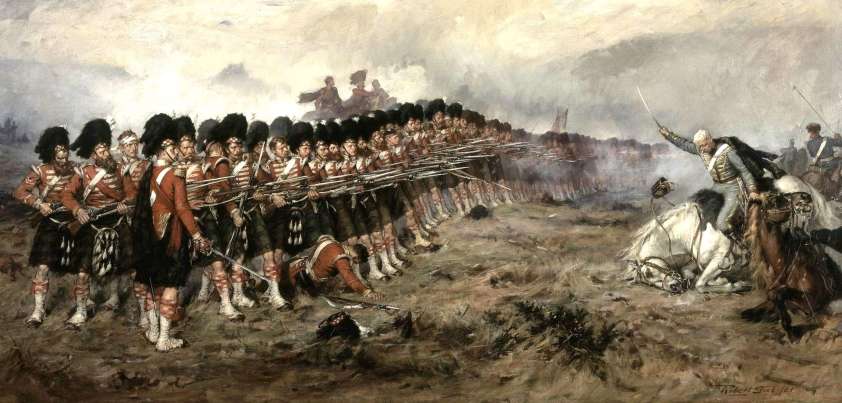 As the name implies, the major theme of Luck by Samuel Clemens (aka Mark Twain) is just that — Luck! Its main message is that good fortune can result in the most unlikely people achieving greatness. Other themes include envy and injustice. The clergyman envies Lieutenant General Lord Arthur Scoresby, V.C., K.C.B., etc. for his successes in life… especially on the battlefield where, in reality, he didn’t seem to know back from forwards and right from left. There is also a sense of injustice in that the General appears to show no appreciation for the clergyman’s role in his success.
 This story by
  In this heartbreaking story by
  What’s in a name? These two vignettes from
 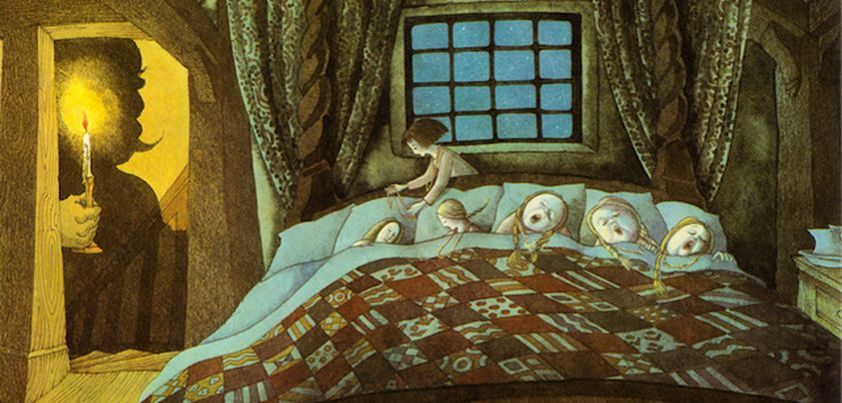 This Scottish folktale is one of those rare stories where the character who successfully defeats a giant is a girl. As often happens in folktales, Molly achieves this through gruesome actions. First, she tricks the giant into killing his three innocent daughters. Later, she tricks him into severely beating has kind wife, who had helped when Molly and her sisters needed food. As a reward, the girls marry into the family of a cowardly king who is happy to send Molly into danger three more times to satisfy his greed. There don’t seem to be any true heroes here.
 The “astrologer” in this story by
  The meaning of this thought-provoking story by
  This story by