Thongproi the Rich Girl

Thongproi the Rich Girl: short story by Kukrit PramojHave you ever wished you were so rich that you could have anything you want? There are two types of people in this group: those who work hard to capitalize on their good fortune, and those who live a life of indolent luxury. This story by Kukrit Pramoj is about a girl from Thailand who fits into the second category. Thongproi was spoiled from the day she was born, one of the most beautiful women in the district, and had a devoted husband in a senior government position. One would expect her to be very happy. But was she?

Continue ReadingThongproi the Rich Girl

Extra

Extra: Short story by Yiyun LiThis story by Yiyun Li highlights the helplessness of the working class in China’s race to modernity. A fifty-one-year-old spinster comes of age after being retrenched by a bankrupt garment factory. Her next two jobs involve “extras”, people who have been cast off by their family. First, as wife/carer to a dying old man; second, as a maid in a boarding school where she experiences love in a special friendship with a rejected six-year-old boy. In a fit of temper, the boy does something that sees her jobless again. . Themes include social change, compassion, abandonment, isolation, maternal love, survival.

Continue ReadingExtra

A&P

A&P: Short story by John UpdikeJohn Updike’s A&P reflects some common Middle American attitudes before the social upheavals of the 1960s. A supermarket employee (Sammy) resigns when three girls in swimsuits are rudely asked to leave the store. Themes include appearance, respect, sexuality, humiliation, class and choices. I don’t share the common interpretation that Sammy’s actions are heroic. The misogyny evident in his denigrating, sexist descriptions of the girls and cruel references to other customers suggest that he is not as righteous as he makes out. Would such a person really quit because of Lengel’s treatment of the girls, or could there be another reason?

Continue ReadingA&P

The Doll’s House / The Washerwoman’s Children

The Doll's House / The Washerwoman's Children: Short stories by Katherine Mansfield & Witi IhimaeraToday we are featuring two stories from New Zealand: The Doll’s House by Katherine Mansfield and its sequel, The Washerwoman’s Children, written in celebration of Mansfield’s centenary by Maori writer Witi Ihimaera. In the first story, a family friend gives a magnificent doll’s house to the children of a well-to-do family. Their mother allows them to invite all but two of the girls at their school to come and see it. These girls (sisters) are shunned and teased by the other children because of their mother’s lowly job. Themes: imagination, class, prejudice, peer pressure, bullying, kindness.

Continue ReadingThe Doll’s House / The Washerwoman’s Children

New York Day Woman

New York Day Woman: Short story by Edwidge DanticatMajor themes of this Edwidge Danticat story are mother-daughter relationships and cultural identity. Out of curiosity, an Americanised Haitian woman secretly follows her mother through the streets of central Manhattan after coming across her window shopping in expensive stores. The mother’s presence in Manhattan and confidence in navigating the crowded streets is a surprise, as is her destination. Over the course of the afternoon the girl begins to see her mother in a different light, with annoyance over her retaining many Haitian ways of life giving way to respect and admiration. Other themes include love, sacrifice, tradition, assimilation, understanding.

Continue ReadingNew York Day Woman

The Chosen Vessel

The Chosen Vessel: Short story by Barbara BayntonThis story by Barbara Baynton paints a graphic picture of the isolation and dangers faced by women living in ‘outback’ Australia during the 19th century. A ‘swagman’ traveling the countryside looking for work visits a woman on a farm whose husband is away. She does not like the way he looks at her, and locks herself and her baby in their house. The man is about to break in when they hear a horse rider coming. The woman runs outside and calls for help. However, when the horse rider hears and then sees her, he races away in fright.

Continue ReadingThe Chosen Vessel

Daughter of Invention

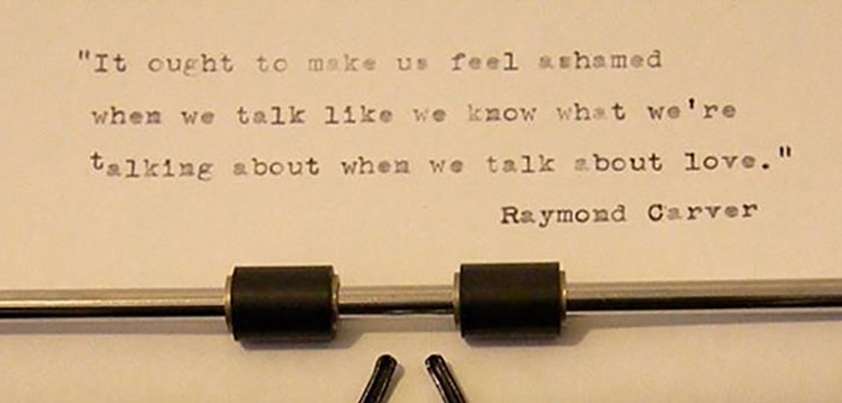
Daughter of Invention: Short story by Julia AlvarezThis entertaining story from Julia Alvarez begins by relating how a mother spends her limited free time trying to realize the Great American Dream by inventing improved household gadgets. Conflict arises over her daughter Yolanda’s inspired but controversial Teacher’s Day speech. Her father, whose family suffered bloody repression in his home country, ironically tears up the speech and demands a traditional, more respectful approach. His subsequent “make-up” gift of a typewriter symbolizes that the family “inventor” role has passed on to literary-minded Yolanda. Major themes: family relationships, cultural adjustment, freedom of expression, empowerment of women, pursuit of dreams.

Continue ReadingDaughter of Invention

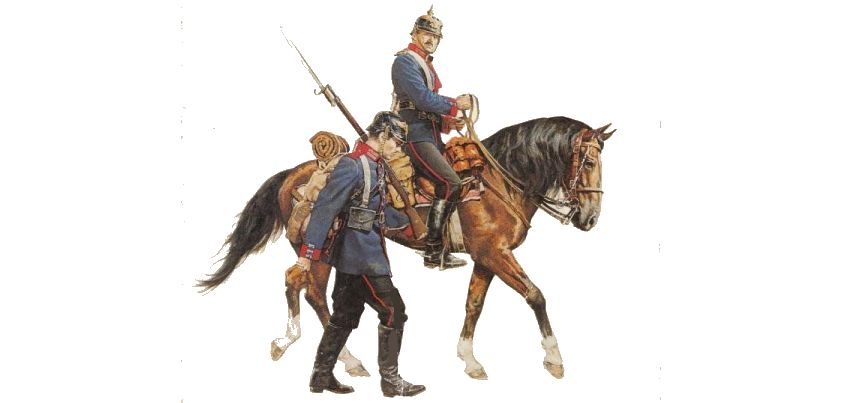
Hermann the Irascible (Story of the Great Weep)

Hermann the Iracible: Short story by SakiThis story by Saki is a classic example of the use of reverse psychology to achieve a desired result… in this case, shutting down the women’s suffrage movement. The story first appeared in 1909 at the height of mass demonstrations of both men and women in support of the cause. I have seen some suggestions that the story trivializes women’s rights. This misses the point that Saki’s use of satire is so “over the top” here that, rather than mocking suffrage, the story highlights and supports it. Themes include human rights, tyranny, manipulation through excess.

Continue ReadingHermann the Irascible (Story of the Great Weep)