Nadia the Willful

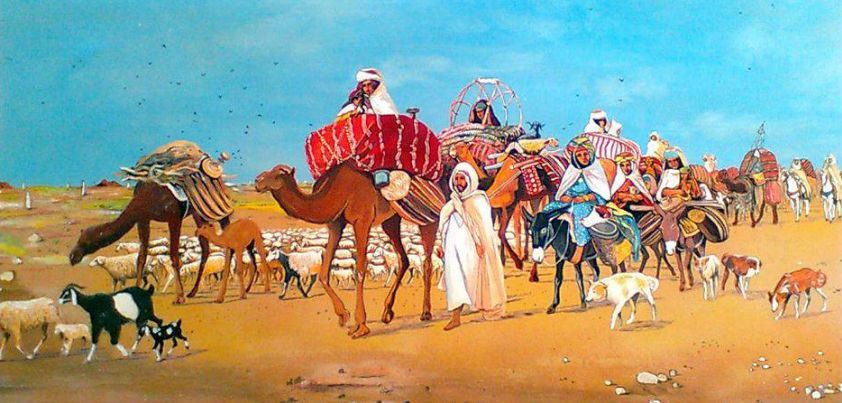
Nadia the Wilful: Short story by Sue AlexanderThe central theme of this story from Sue Alexander is dealing with grief and loss. When a Bedouin boy is lost in the desert, his shattered father (a tribal sheik) decrees that none of his people speak the boy’s name. Nadia, his willful daughter, finds that the only way she can cope with her brother’s loss is to talk about their happy times together. When others follow her example, the sheik reacts angrily. However he, too, soon learns that rather than blocking out the memory, the best way process the death of a loved one is to celebrate their life.

Continue ReadingNadia the Willful

Flowers for Algernon

Flowers for Algernon: Short story by Daniel KeyesThis touching short story from Daniel Keyes is about a mentally handicapped man who undergoes experimental surgery to enhance his intelligence. The operation’s initial success highlights an interesting aspect of intelligence: the very gifted can be as out of touch with reality and friendless as the intellectually challenged. The story raises an important issue: How far should medical science go in tampering with nature or, as some would say, the will of God? Perhaps the answer lies in Charlie’s ultimate fate, ironically going backwards in intelligence rather than forwards. Other themes include innocence, friendship, compassion, bullying and sacrifice.

Continue ReadingFlowers for Algernon

Sacred Duty / Mugaddas Farz

Sacred Duty / Mugaddas Farz: Short story by Ismat ChughtaiIn this entertaining story by Ismat Chughtai, two sets of manipulative parents are put in their place after a Muslem girl opts out of an arranged marriage the day before it is due to take place and elopes with a Hindu boy. For the marriage to be recognized as Hindu, the boy’s parents pressure the girl to convert to Hinduism. To save face, her parents later pressure the boy to convert to Islam and the girl to reconvert. Themes include interfaith marriage, generational conflict and personal freedom, manipulation, the lengths that some cultures will go to preserve family honor.

Continue ReadingSacred Duty / Mugaddas Farz

The Jewels / False Gems

The Jewels / False Gems: Short story by Guy de MaupassantThis tongue-in-cheek story by Guy de Maupassant could be said to reflect two English proverbs: ignorance is bliss, and money can’t buy happiness. A recently widowed man of modest means is shocked to learn that his seemingly perfect wife had been living a decadent secret life. When he discovers that her “fake” jewels are real, he quits his job, becomes a man of leisure, and remarries a “very virtuous” woman who causes him much sorrow. The story introduces several important themes: appearances (things aren’t always as they seem), infidelity, vanity, hypocrisy, French bourgeois morality, exploitation of the working class.

Continue ReadingThe Jewels / False Gems

The Smoothest Way Is Full of Stones

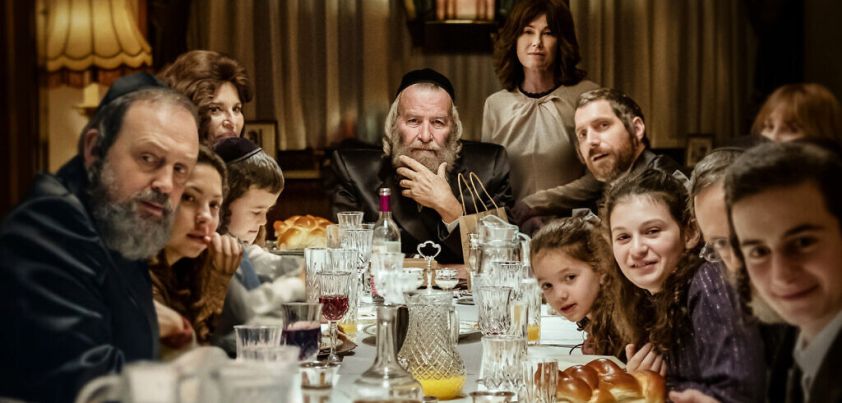
The Smoothest Way Is Full of Stones: Novelette by Julie OrringerThis story by Julie Orringer explores aspects of life and growing up in an American Orthodox Jewish community. Due to her mother’s illness, a teenage Jewish girl raised in a secular environment spends her school holidays living in the Orthodox community of an aunt. Despite community concern that she may be a bad influence on her cousins, she adjusts well to the Orthodox way of life. It is her rebellious, similar-aged cousin, beginning to explore her sexuality, who breaks the community’s strict behavioral rules. Themes include family, protectiveness and distrust, secular vs. Orthodox lifestyles, spiritual awakening, and emerging sexuality.

Continue ReadingThe Smoothest Way Is Full of Stones

Happy-Endings

Happy Endings: Short story by Margaret AtwoodThe six “mini-stories” in this short meta-fictional narrative from Margaret Atwood satirize a common element of the story form. In the process, they touch on a myriad of themes including marriage and romance, family life, self-gratification, desperation, suicide, murder, virtue and compassion. The message seems to be that the ultimate denouement of a story matters little; the key is in its exposition and “How and Why” of events in between. The story also provides a lesson in life: What people will remember most about us after our book is closed is the how and why of the way we lived.

Continue ReadingHappy-Endings

The Heavenly Christmas Tree

The Heavenly Christmas Tree: Short story by Fyodor DostoevskyThis famous Christmas story is from Fyodor Dostoevsky’s self-published periodical, Diary of a Writer. A young boy has recently arrived in a big city with his poverty-stricken, dying mother. On Christmas Eve the boy ventures out from their rented hovel in search of food. He is both terrified and intrigued by his experiences as he walks the streets. Hungry and freezing, he shelters behind a woodpile. He feels sudden warmth, and wakes surrounded by other happy children along with his smiling mother around Christ’s Christmas tree. Themes: poverty, isolation, class discrimination (rich vs. poor), inhumanity, suffering and death, Christianity.

Continue ReadingThe Heavenly Christmas Tree

Sleeping Beauty

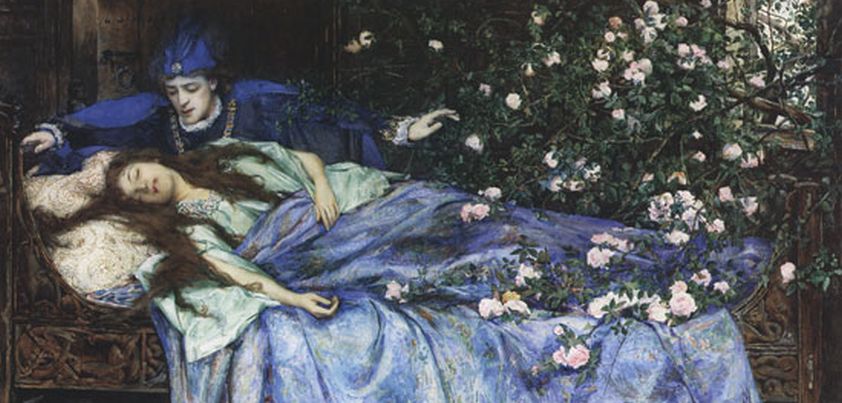
Sleeping Beauty: European Folktale from Charles PerraultToday we have a reverse chronology of the folktales behind the classic children’s story, Sleeping Beauty. The famous kiss that woke the princess comes from the Brothers Grimm’s Briar-Rose (1812). Charles Perrault’s Sleeping Beauty in the Wood (1697) has no kiss but lots of talk, a hasty wedding followed by a night of “very little sleep”, and an added section where the prince’s mother (an Ogress) decides to make a meal of their children. Perault’s inspiration was the Giambattista Basile’s Sun, Moon and Talia (1634). Here, the king “gathers the first fruits of love” (rapes) the poor unconscious girl.

Continue ReadingSleeping Beauty