The Voter

The Voter: Short story by Chinua AchebeThis story by Chinua Achebe uses irony to highlight vote-buying in Nigerian village elections. A sitting politician’s wealth and lifestyle have improved dramatically since being elected. To retain his place at the trough, he appoints a group of canvassers to bribe influential villagers. His most trusted canvasser faces a dilemma, He is offered an unheard-of bribe to vote for the opposition, provided he swears on a talisman that will bring ill-fortune if he doesn’t do so. He takes the money, and creatively finds a way to avoid being disloyal to either party. Themes include corruption, politics, vote-buying, superstition, loyalty.

Continue ReadingThe Voter

Thirst

Thirst: Short story by Ivo AndrićThe major theme of this story by Ivo Andrić is man’s inhumanity to man. Set in a remote Bosnian village shortly after Austrian annexation, gendarmes capture a rebel leader with a festering chest wound. He is thrown in a cell without treatment and denied water until he names his co-conspirators. As the gendarme commander sleeps soundly, his young wife listens to the man’s screams and pleas for water throughout the night. When she finally falls asleep, her husband wakes and forces himself on her. Other themes include justice, duty, betrayal, brutality, isolation and loneliness, despair, sexuality.

Continue ReadingThirst

The Willow Walk

The Willow Walk: Short story by Sinclair LewisIn this story by Sinclair Lewis, twins Jasper and John Holt couldn’t be more different: Jasper, a well-dressed, respectable bank teller and admired member of a community theatre group; John, a disheveled, reclusive religious fanatic and admired member of an obscure religious cult. Yet they are the same person, a skilled actor carrying out an elaborate bank heist. The robbery goes off perfectly… “Jasper” mysteriously disappears, and John, who no one suspects, has the money. All goes well until John’s conscience causes him to descend into madness. Themes include crime, dissimulation, social class, religious zealotry, guilt, madness, atonement, despair.

Continue ReadingThe Willow Walk

Eyes of a Blue Dog

Eyes of a Blue Dog: Short story by Gabriel Garcia MárquezThis story from Gabriel Garcia Márquez takes place in the narrator’s mind. While in a dream state, the man’s unconscious reflects his lack of connection in the real world by conjuring up an ongoing relationship with a woman in which each desires the other but they cannot touch. In the man’s absence, the woman wanders the city searching for him, calling out and writing Eyes of a Blue Dog, code words by which they will recognize each other. When awake, the man has no recollection of the dreams. Themes include loneliness and isolation, love and desire, frustration, longing, connection.

Continue ReadingEyes of a Blue Dog

Where Are You Going, Where Have You Been?

Where Are You Going, Where Have You Been?: Short story by Joyce Carol OatesThe plot of this award-winning story by Joyce Carol Oates in a nutshell: attractive, self-absorbed, rebellious teen under Why can’t you be like your big sister? pressure meets a predatory psychopath with, one imagines, predictable results. What sets the story apart is the way Oates, using dialogue alone, transforms a cautionary tale for young women into a psychological thriller that gradually develops into a horror story. Themes include search for identity, independence, sexuality and control, appearance vs. reality, malevolence, psychological manipulation and (if you believe Connie really sacrificed herself for her family), self-sacrifice.

Continue ReadingWhere Are You Going, Where Have You Been?

The Dinner Party

The Dinner Party: Short story by Mona GardnerThe theme of Mona Gardner’s The Dinner Party is gender stereotyping. The story is a satire of attitudes towards women in upper class colonial England. It begins with a debate over dinner between an army officer and young girl. The officer argues that men are better than women at staying calm during a crisis. The host’s wife proves him wrong by demonstrating nerves of steel when the guests are threatened by a deadly visitor. Although one of the other guests foreshadows the looming danger, the full extent of the woman’s courage is not evident until the final paragraph.

Continue ReadingThe Dinner Party

The Third Wish

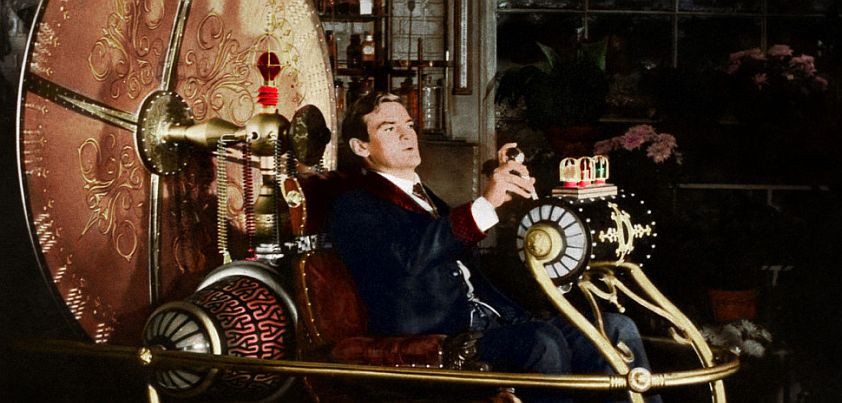
The Third Wish: Short story by Joan AikenThis story from Joan Aiken takes the form of a “three wishes” fairy-tale. The protagonist does something very unusual for someone given three wishes. He decides not to make the third wish. When asked why, he says: I’ve learned that even if your wishes are granted they don’t always better you. Themes: 1) change (it is wrong to force change on someone who is happy as they are); 2) family (for many people, family ties are just as important as a happy marriage); and 3) sacrifice (true love means being prepared to let someone go if it makes them happier).

Continue ReadingThe Third Wish

At the Pitt-Rivers

At the Pitt-Rivers: Short story by Penelope LivelyIn this story by Penelope Lively, a sixteen-year-old boy regularly visits the Pitt-Rivers museum to “mooch around and be on his own”. One day, he notices a woman of about thirty waiting for someone. Although ordinary looking, her face glows in a way that makes him feel good. His views on “correctness” in relationships are challenged when she greets a man in his fifties she obviously loves. The couple meet frequently at the museum. He watches as their relationship grows and, one day, crumbles. Her glow fades to a look of despair. Themes include beauty, teen dating, non-traditional love, disillusionment.

Continue ReadingAt the Pitt-Rivers