The Dinner Party

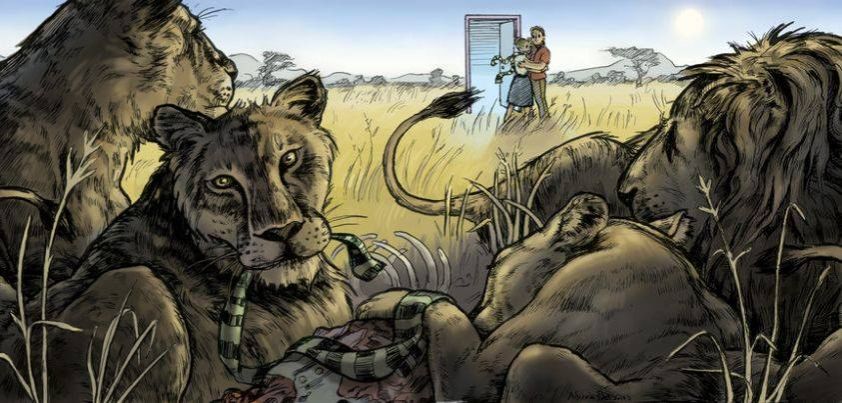
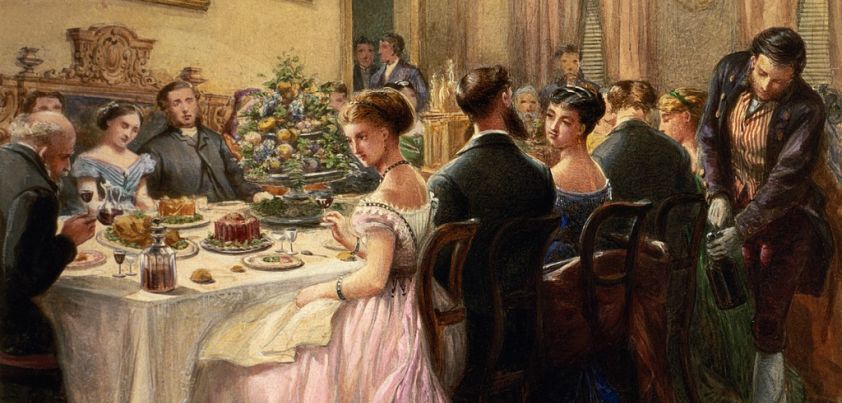
The Dinner Party: Short story by Mona GardnerThe theme of Mona Gardner’s The Dinner Party is gender stereotyping. The story is a satire of attitudes towards women in upper class colonial England. It begins with a debate over dinner between an army officer and young girl. The officer argues that men are better than women at staying calm during a crisis. The host’s wife proves him wrong by demonstrating nerves of steel when the guests are threatened by a deadly visitor. Although one of the other guests foreshadows the looming danger, the full extent of the woman’s courage is not evident until the final paragraph.

Continue ReadingThe Dinner Party

The Third Wish

The Third Wish: Short story by Joan AikenThis story from Joan Aiken takes the form of a “three wishes” fairy-tale. The protagonist does something very unusual for someone given three wishes. He decides not to make the third wish. When asked why, he says: I’ve learned that even if your wishes are granted they don’t always better you. Themes: 1) change (it is wrong to force change on someone who is happy as they are); 2) family (for many people, family ties are just as important as a happy marriage); and 3) sacrifice (true love means being prepared to let someone go if it makes them happier).

Continue ReadingThe Third Wish

At the Pitt-Rivers

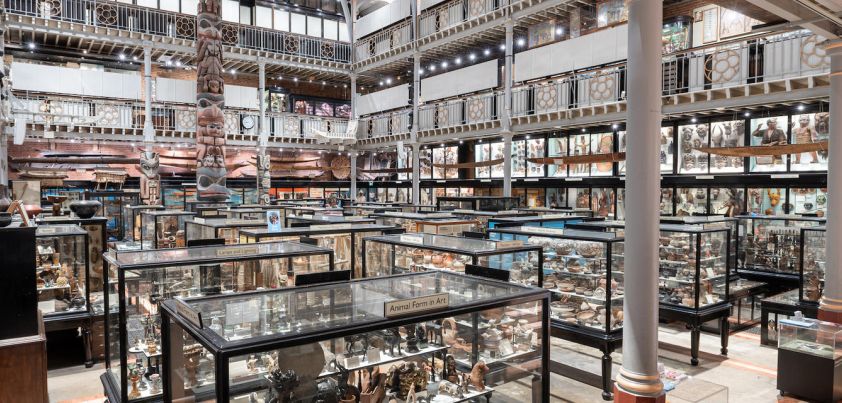
At the Pitt-Rivers: Short story by Penelope LivelyIn this story by Penelope Lively, a sixteen-year-old boy regularly visits the Pitt-Rivers museum to “mooch around and be on his own”. One day, he notices a woman of about thirty waiting for someone. Although ordinary looking, her face glows in a way that makes him feel good. His views on “correctness” in relationships are challenged when she greets a man in his fifties she obviously loves. The couple meet frequently at the museum. He watches as their relationship grows and, one day, crumbles. Her glow fades to a look of despair. Themes include beauty, teen dating, non-traditional love, disillusionment.

Continue ReadingAt the Pitt-Rivers

Here We Aren’t, So Quickly

Here We Aren't, So Quickly: Short story by Jonathan FoerMany readers find this Jonathan Foer story confusing because of its unconventional style. It comprises a series of short, seemingly random recollections and observations about a couple’s past, often in the form of negative declarations. On the first read, the differences between the two people appear so vast that it is hard to see how they could remain happy together. Themes include the swift passing of time, personality growth as we age, understanding and accepting differences, and the development of a relationship from individuals (”I” and “You”) to a couple (“We”) and then a family (“We” and “He”).

Continue ReadingHere We Aren’t, So Quickly

The Veldt

The Veldt: short story by Ray BradburyIn this chilling story by Ray Bradbury, frantic parents who try to rein in their spoiled children by shutting down the hi-tech games room in their “HappyLife” home become a “HappyMeal”. Although written in 1950 to question the rising influence of television, the story serves as a warning to modern parents who let their children build their lives around social networking and/or game play. The story’s major theme is the alienation, dehumanization and breakdown of family values that can arise in a household through over-reliance on technology. Other themes include consumerism, poor parenting, illusion vs. reality, dystopia.

Continue ReadingThe Veldt

Black Boy

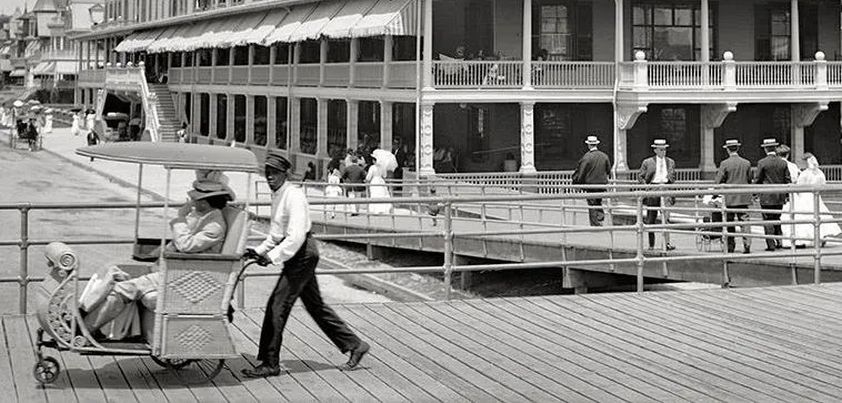
Black Boy: Short story by Kay BoyleIn this story by Kay Boyle, a ten- twelve-year-old girl living with her grandfather in a seaside city befriends an African-American “boy” who pushes rolling chairs by day and appears to sleep under the boardwalk at night. When the girl’s grandfather discovers them talking, he warns her off spending time with the boy because he might do you some kind of harm. The girl’s hobby is horse riding along the sand. When the boy helps her home after a fall, he doesn’t get the thanks he deserves. Themes: childhood innocence, friendship, prejudice and racism, dreams and imagination.

Continue ReadingBlack Boy

The Bus Driver Who Wanted To Be God

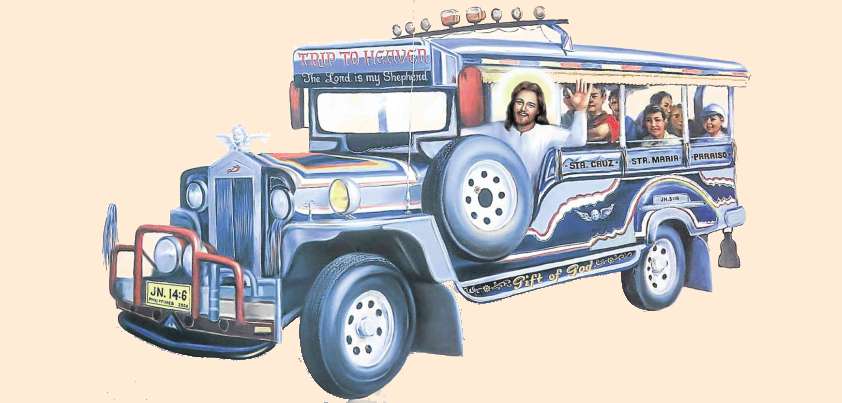
The Bus Driver Who Wanted To Be God: Short story by Etgar KeretIn this Etgar Keret story, a bus driver cares more about social justice than kindness. This may explain why he didn’t get the job he really wanted – to be God. The driver’s attitude suddenly changes when he has an epiphany moment witnessing the misery of Eddie, the world’s nicest loser, who is running late for an important date. Eddie believes that he has found true love in ‘Happiness’, the world’s sweetest girl. Unfortunately, Happiness proves to be a little too sweet. She is planning to stand Eddie up rather than hurt his feelings by admitting she already has a boyfriend.

Continue ReadingThe Bus Driver Who Wanted To Be God

Christmas Every Day

Christmas Every Day: Short story by W. D. HowellsThis children’s story by W. D. Howells is actually a ‘story within a story’. A demanding daughter insists that her busy father tell her a Christmas story. Perhaps with his daughter in mind, he makes up a tale about a little girl who makes a selfish Christmas wish. She wants it to be Christmas every day so she can get presents and eat Christmas treats all year long. The wish comes true but in so doing causes problems for almost everyone in the world. Although told in an amusing way, you could call this a Christmas horror fairy-tale.

Continue ReadingChristmas Every Day