Drying Out

Drying Out: Children's story by Cynthia RylantDrying Out is from Cynthia Rylant’s book Every Living Thing, which contains several stories aimed at school-aged children about how animals can change people’s lives. In this story, the expression ‘Drying Out’ has nothing to do with water. Rather, it is an idiom which means for someone who is dependent on alcohol to stop drinking. The main character (protagonist) is a returned soldier whose life is ruined when he starts drinking too much after his wife leaves him. He is sent to a special hospital where some unlikely friends who visit every morning help him to overcome his problem.

Continue ReadingDrying Out

Why Don’t You Dance?

Why Don't You Dance?: Short story by Raymond CarverThis minimalist story from Raymond Carver captures a brief encounter between a middle-aged man holding a yard sale and a young couple interested in buying furniture. We learn very little about the man other than that he was once in a relationship, is selling almost everything he owns, and probably drinks too much. The man offers the couple whiskey, puts on some music, and suggests that they dance. Carver leaves it to the reader to interpret what happens next. All we know is that the girl is troubled by it for weeks. Possible themes: alcoholism, loneliness, despair, compassion, connection, confusion.

Continue ReadingWhy Don’t You Dance?

The Killers

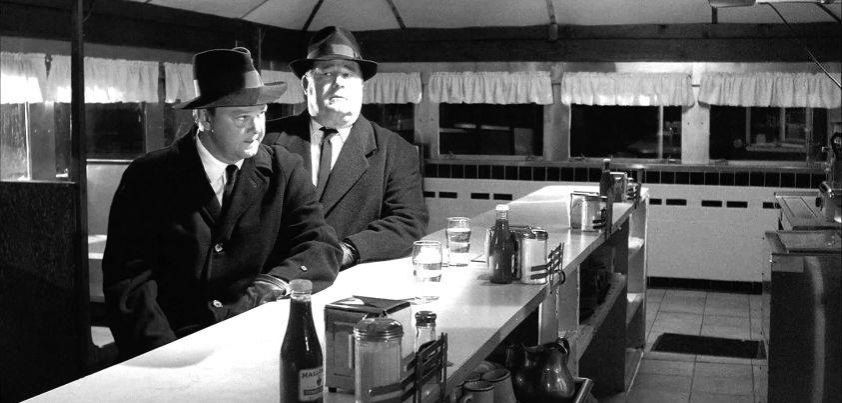
The Killers: Short story by Ernest HemingwayIn this coming of age story by Ernest Hemingway, two hit men come to a small-town restaurant to shoot a man to oblige a friend. The three men already in the restaurant (its manager, cook and a young customer) are detained but, when the intended victim (a prize-fighter) doesn’t turn up, they are released and the hit men leave. The customer hurries to warn the prize-fighter. However, the poor man appears to have accepted his fate, saying there is nothing anyone can do to save him. Themes include crime, passivity (“looking the other way”), futility, acceptance, courage, manhood, disillusionment.

Continue ReadingThe Killers

The Model Millionaire

The Model Millionaire: Short story by Oscar WildeThrough humor and irony, this story by Oscar Wilde shows how an act of kindness can sometimes change one’s life. Handsome, well-spoken and adored by everyone who knows him, Hughie Erskine can’t seem to make a success of life. To marry the woman he loves, he needs to show her father that he has the impossible amount (for him) of £10,000 to his name. A chance visit to an artist friend and the generous gift of his last sovereign to a beggar he was painting solves his problem. Themes include appearance vs. reality, compassion and kindness, selflessness, generosity, karma.

Continue ReadingThe Model Millionaire

There Will Come Soft Rains

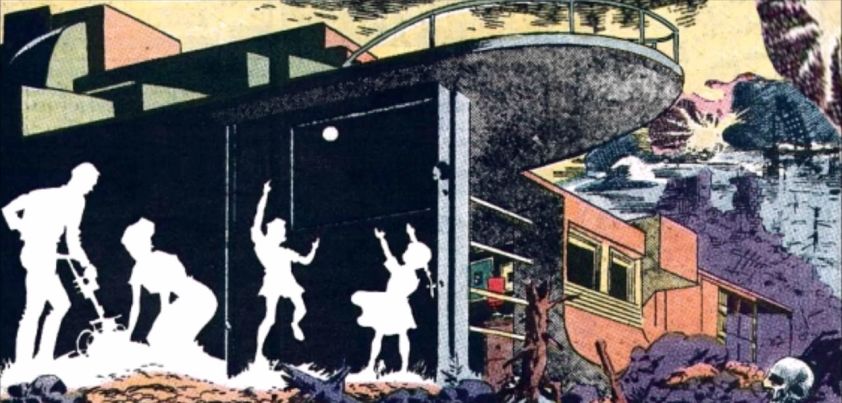
There Will Come Soft Rains: Short story by Ray BradburyThis science-fiction story from Ray Bradbury chronicles the last day in the ‘life’ of an automated house that has survived nuclear war. Although the house’s inhabitants are dead, represented by shadows on the outside walls, it has continued its daily cycle of programmed activity. Major themes are the danger of nuclear war, and the consequences of taking technology too far. In replacing almost all human tasks in their daily life, the householders were dependent on technology. Ironically, that same technology built the bombs that destroyed them. Other themes include death (the dog, house and humankind), nature (the only survivor), dystopia.

Continue ReadingThere Will Come Soft Rains

Theft

Theft: Short story by Katherine Anne PorterThe major theme of this story by Katherine Anne Porter is loss… a stolen purse, lost friendships and opportunities, loss in love, loss of youth, and loss of hope. The real “robber” in the story is the protagonist, a struggling, ‘not so young’ writer who prides herself on her trusting, easy-going, unmaterialistic nature. After receiving a letter ending a love affair and later having her purse stolen, she realizes that if she doesn’t take charge of her life and stop “letting things go”, she will end up with nothing. Other themes include apathy and self-delusion, alienation, love, rejection, guilt.

Continue ReadingTheft

Forty-Five a Month

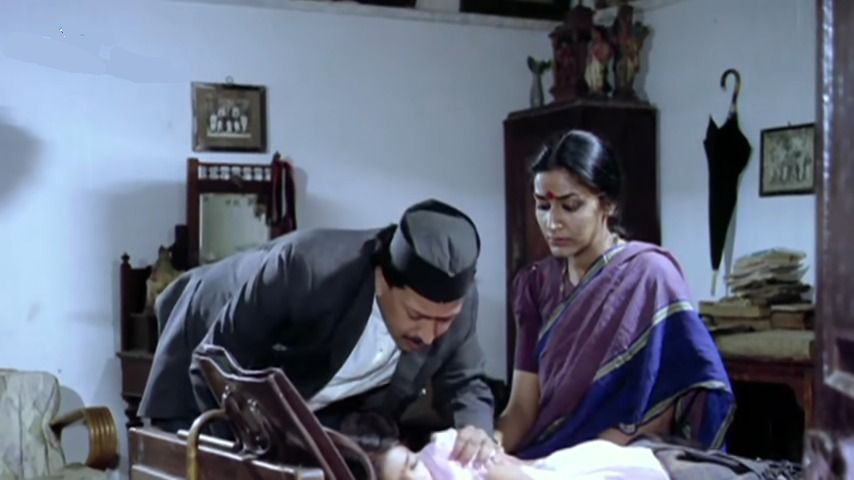
Forty-Five a Month: Short story by R. K. NarayanIn this 1940s story by R. K. Narayan, a working-class father is tortured by guilt over his inability to spend time with his young daughter and provide some of the luxuries other children enjoy. When the chronically overworked man asks for an evening off to take her to a movie, he is refused. He is on the point of resignation when offered a small raise that the family needs badly. In a poignant moment, he arrives home late and finds his daughter asleep, still dressed for the movie. Themes: childhood innocence, parent-child relationships, powerlessness, exploitation, financial struggle, sacrifice, guilt.

Continue ReadingForty-Five a Month

The Three Questions

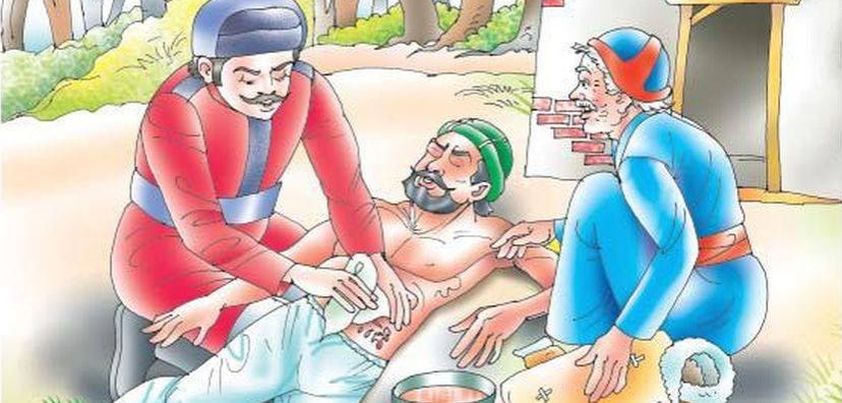
The Three Questions: Short story by Leo TolstoyThis parable from Leo Tolstoy is about how to succeed in life. A king believes he would never fail in a task if he always knew three things: What is the best time to begin? Who are the most important people to have around you? and What is the most important thing to spend your time doing? He offers a reward for the answers, but neither his wisest counselors nor others who come to claim it can help. An experience with a forest hermit and injured assassin teach him what he needs to know. Themes: wisdom, humility, kindness, forgiveness, morality.

Continue ReadingThe Three Questions