Children of the Ash-Covered Loam

Children of the Ash-Covered Loam: Short story by N. V. M. GonzalezThis charming story by N. V. M. Gonzalez describes life and ritual during the planting season in a Philippine subsistence farming family. The major conflict in the story, where families band together to communally sow each other’s kaingin (slashed and burned fields), is with nature. A feature of the story is the coming of age of a seven-year-old boy as he receives his first farming responsibility and comes to understand how life emerges from the dark womb of the land. Themes include family, community, living in harmony with the land, the cycle of life, superstition and ritual.
Continue ReadingChildren of the Ash-Covered Loam

The News from Ireland

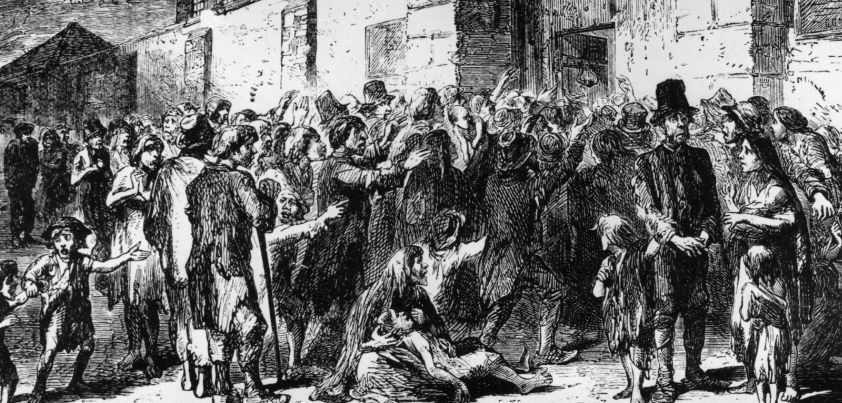
The News from Ireland: Short story by William TrevorThis story from William Trevor is set during the Irish Potato Famine of the 1840s. It contrasts the comfortable lives of those living behind the walls of a large English-owned estate with the misery of the rural poor. The issues are considered from multiple points of view, including those of servants and staff. Two major themes are acceptance and complacency. Although the plight of the rural poor initially disturbs newcomers, they soon become desensitized to the suffering, considering it a normal aspect of Irish life. Other themes: the gap between rich and poor, heritage, gender roles, religious faith and conflict.

Continue ReadingThe News from Ireland

The Young Man Who Flew Past

The Young Man Who Flew Past: Short story by Arkady AverchenkoWriters must have a disproportionate fascination with heights, because there are a number of well-known stories in world literature about people falling, jumping or being pushed/thrown from tall buildings. Published in 1915, this short satire of middle-class society by Arkady Averchenko may be one of the first. A husband throws his wife’s lover from the sixth floor window of their apartment building. Through the windows on the way down, the falling man sees different ways his life could have gone. As he reaches the bottom, he is happy with his gruesome fate. Theme: men’s ‘destiny’ (ambition, marriage, family, adultery, depression, death).
Continue ReadingThe Young Man Who Flew Past

A Guide to Berlin

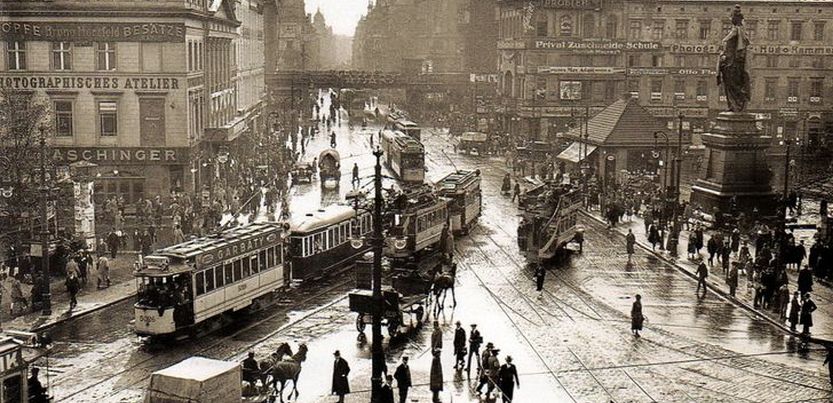
A Guide to Berlin: Short story by Vladimir NabokovThis early story by Vladimir Nabokov is not about places to see in Berlin, but rather the narrator’s observations of some everyday aspects of city life. Through a series of vignettes he describes pipes left on the footpath, the streetcar system, people he sees working on the streets, the city zoo and the pub in which he is drinking with a friend. Themes include the relationship between time and memory (how some things we experience today will become “future recollections”), and the artist’s duty to record his/her experiences in detail for the benefit of future generations.

Continue ReadingA Guide to Berlin

Henne Fire

Henne Fire: Short story by Isaac Bashevis SingerSet in pre-World War 1 Poland, this story by Isaac Bashevis Singer explores how a small Jewish community interacts with a seemingly deranged woman who the narrator describes as not a human being but a fire from Gehenna [hell]. Her abusive behaviour forces her family to flee their home and, in keeping with the biblical analogy, small fires tend to pop up around her wherever she lives. A major theme of the story is community, reflected in the support she receives despite her offensive behaviour and the fire risk to neighbors. Other themes include madness, fear, alcohol abuse, the supernatural.

Continue ReadingHenne Fire

Bartleby the Scrivener: A Tale of Wall Street

Bartleby the Scrivener, A Tale of Wall Street: Novelette by Herman MelvilleHerman Melville’s Bartleby the Scrivener is regarded as a classic of Modern Literature. A major theme is the depression that comes with being alone in the world and lacking a purpose in life. Other themes include exploitation, insensitivity and guilt (the Lawyer), conformity and coping with boring, repetitive work (Turkey and Nipper), alienation, apathy and passive resistance to one’s responsibilities (Bartleby), and loss of hope and the inevitability of death (symbolized by the Dead Letter Office). The Lawyer’s final words, Ah, Bartleby! Ah, humanity!, reflect the irony of Bartleby finding himself in the two worst possible jobs for his disposition.

Continue ReadingBartleby the Scrivener: A Tale of Wall Street

Boule de Suif / Ball of Fat

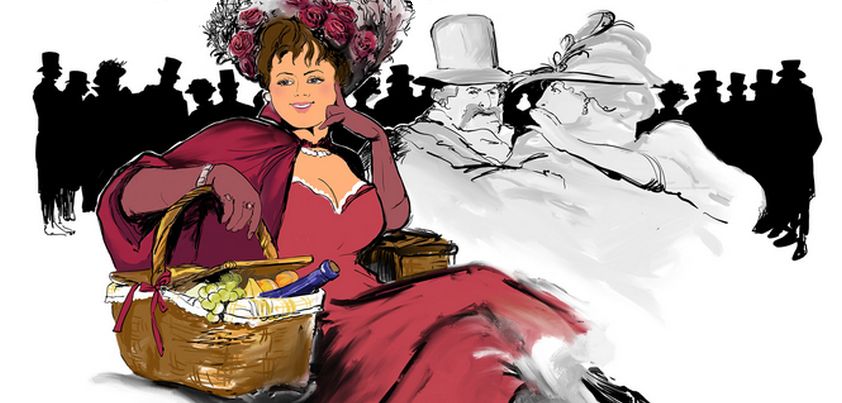
Boule de Suif / Ball of Fat: Short story by Guy de MaupassantRegarded as one of Guy de Maupassant’s greatest works, this story explores the interactions between a prostitute with the unfortunate nickname Boule de Suif (Ball of Fat) and nine other coach passengers fleeing the Franco-Prussian War. Her fellow travelers comprise a cross-section of “respectable” French society: politics, business, the nobility and religion. Maupassant’s sad message about nineteenth-century France is that no matter what shows of kindness or sacrifices people of the lower classes make, they are unlikely to be treated with respect and dignity by those of higher social standing. Themes: social class, patriotism, manipulation, exploitation, sacrifice/moral compromise, ingratitude, hypocrisy.

Continue ReadingBoule de Suif / Ball of Fat

The Pig That Went to Market

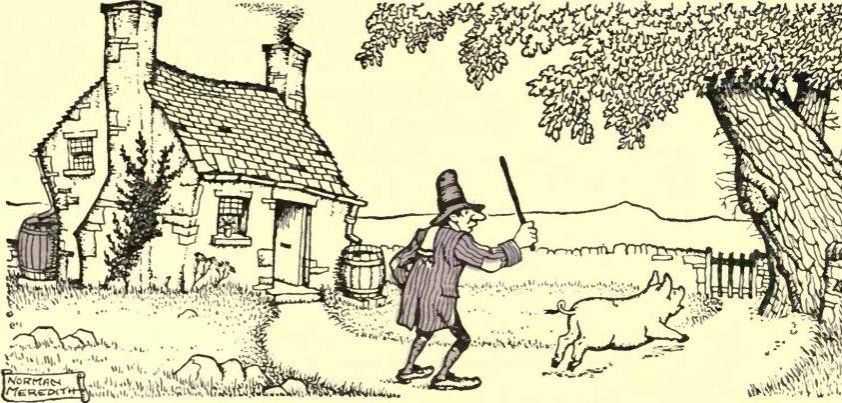
The Pig that went to Market: Children's story by Enid BlytonThis children’s story by Enid Blyton tells of a man who is so forgetful that he always leaves his kitchen door open. His pig knows this and spends most of its time sitting inside in front of the fire. One day the man finds that he has no money. He decides that selling the pig is a better idea than getting a job. However, his forgetfulness causes problems in taking the pig to market. When he finally does get it there, he receives a beating for his trouble. In the end, he faces an easy decision.

Continue ReadingThe Pig That Went to Market