Christmas Not Just Once a Year

Christmas Not Just Once a Year: Short story by Heinrich BöllThis farcical comedy by Heinrich Böll can be looked at from two perspectives. The first is as a Christmas satire. After years of austere Christmases during World War II, the wife of a German businessman becomes hysterical when the tree for the traditional lavish family Christmas of 1946 is taken down. To prevent her being institutionalized, her family agree to re-celebrate Christmas Eve every day of the year. They go to ridiculous lengths to do this, destroying family unity in the process. Themes: family, tradition, mental illness, alienation, dehumanization, commercialization and loss of the spiritual meaning of Christmas, facing reality.

Continue ReadingChristmas Not Just Once a Year

The Stone Boy

The Stone Boy: Short story by Gina BerriaultThe twin focuses of this disturbing story by Gina Berriault are a farm boy’s unusual reaction to his accidental shooting of his older brother, and his family and community’s interpretation of that reaction. Rather than run home in tears, the boy continues with their assigned task (picking peas), and calmly reports the death when this is completed. When the boy appears emotionless during the sheriff’s questioning, he is branded a psychopath and cruelly ostracized by family and friends. This becomes self-fulfilling, as the once normal nine-year-old transforms into a “stone boy”. Themes: loss, fear/guilt, grief, parental failure, alienation, isolation, identity.

Continue ReadingThe Stone Boy

Speech Sounds

Speech Sounds: Short story by Octavia E. ButlerThis story from Octavia Butler takes place in a violent, post-apocalyptic world. A virus has killed billions and left most survivors unable to speak, read, write or understand spoken language. Governments and the corporate world have collapsed, there are no police or community services, fuel is scarce. People must fend for themselves. The protagonist, whose husband and children fell to the virus, is contemplating suicide. The desperate woman finds and cruelly loses a new lover, but in the process discovers a renewed purpose in life. Themes: the importance of language, isolation, loneliness, fear, violence, hope.

Continue ReadingSpeech Sounds

The Gilded Six-Bits

The Gilded Six-Bits: Short story by Zora Neale HurstonThe popular interpretation of this story by Zora Neale Hurston is that two young newlyweds (Joe and Missie May) have what appears to be a perfect marriage until a boastful newcomer from Chicago (Otis) opens an ice-cream parlor in their small Southern town. The couple’s playful, passionate bliss is shattered when Otis, who appears wealthy and sophisticated, seduces Missie May in exchange for promises of gold. In most short stories, this would lead to a tragic ending. Not here! The couple come out of it seemingly happier than ever. Themes: poverty, love, deception (appearances vs. reality), temptation, betrayal, guilt, forgiveness.
Continue ReadingThe Gilded Six-Bits

The Wedding Dance

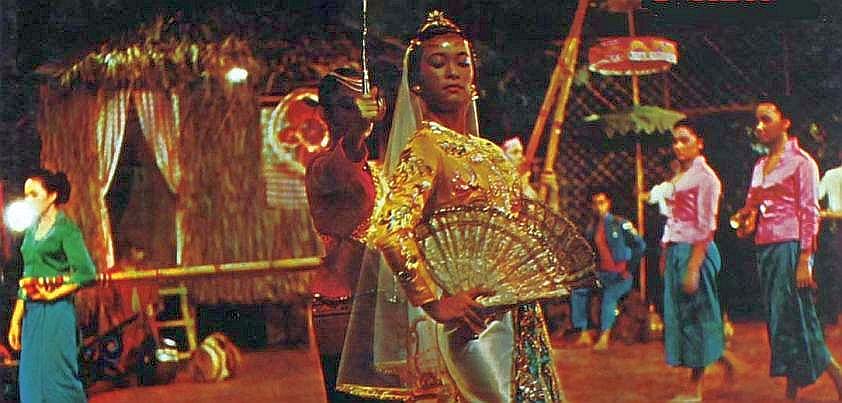
The Wedding Dance: Short story by Amador DaguioThe major themes of this touching story by Amador Daguio are tradition, love and courage. Set in pre-colonial Philippines, a villager follows custom and remarries when his wife fails to conceive. Despite their pledges of love, neither challenges this unwritten law. Whether the theme of “courage” has positive or negative connotations for the protagonist depends on the reader’s interpretation as to why she walks away from her husband’s second wedding dance. Is this because she lacks the courage to confront the tribal elders, or because she finds the courage to “let go” and sacrifice her happiness for her husband’s honor?

Continue ReadingThe Wedding Dance

The Centaur

The Centaur: Short story by José SaramagoA major theme of this story by José Saramago is fear of those who are fundamentally “different”. Other themes include duality, modernity, wilderness encroachment, loneliness, isolation and identity. A mythical Centaur survives into the 20th century. The only one of its kind still living, it has wandered the wilderness for thousands of years. Unfortunately, humanity is expanding and it has become increasingly difficult to avoid contact. A fascinating feature of the story is the interdependence between the centaur’s horse and human sides. Both have different needs, which often require compromise. There are some human needs, however, that can’t be met.

Continue ReadingThe Centaur

The Emperor’s New Clothes

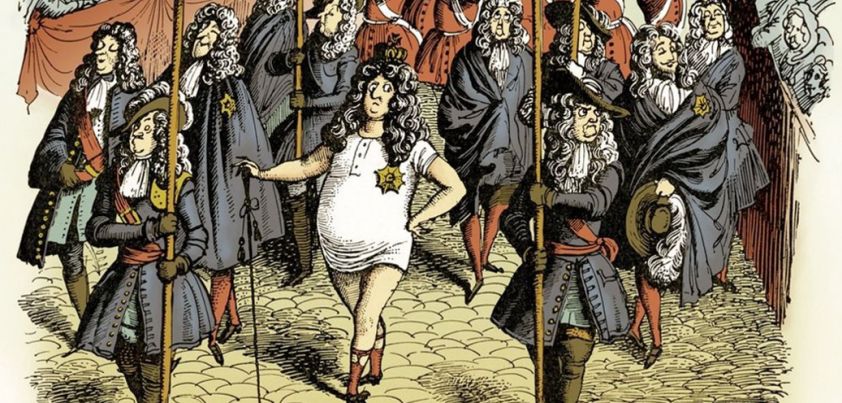
The Emperor's New Clothes: children's story by from Hans Christian AndersenThe main theme of this famous children’s story from Hans Christian Andersen is, of course, vanity. Other themes include deceit, gullibility, honesty (fear of speaking up) and pride. The Emperor who puts appearance before the well-being of his people, and his courtiers who sense that something is amiss but don’t have the courage to report it, carry two important messages. We shouldn’t judge people by the clothes they wear, what brand of phone they carry etc., and children should be encouraged to speak up if safe to do so when they see something that is wrong.

Continue ReadingThe Emperor’s New Clothes

Big Brother, Little Sister

Big Brother, Little Sister: Short story by Witi IhimaeraSadly, elements of this story by Witi Ihimaera play out every day in cities across the world. Major themes include domestic violence, fear, isolation, desperation and sibling love. When a young boy flees home to escape his insecure mother’s abusive boyfriend, his seven-year-old sister follows. Within a few hours, they encounter several of the dangers that being alone on the streets at night have to offer. The city is portrayed as an endless stream of lost souls, each struggling to survive or reach an unknown destination. The two children join them. Other themes: drug and alcohol abuse, dependency, irresponsibility, hope.

Continue ReadingBig Brother, Little Sister