
Fleur
 This story by Louise Edrich incorporates elements of magical realism and Chippewa Indian mythology. It recounts the experiences of Fleur, a Native-American woman who leaves her tribe after several mystical experiences to work in a small-town butchery. Fleur is not only strong, independent and confident, but has seemingly magical powers that, among other things, help her consistently win money from her male co-workers in after-work card games. This damages the men’s egos, leading to her brutal rape and the “accidental” death of her three abusers. Themes: female power, sexuality and mystique; racism; gender and cultural conflicts; violence.
 This story from
  The major themes of this “memoir” by
 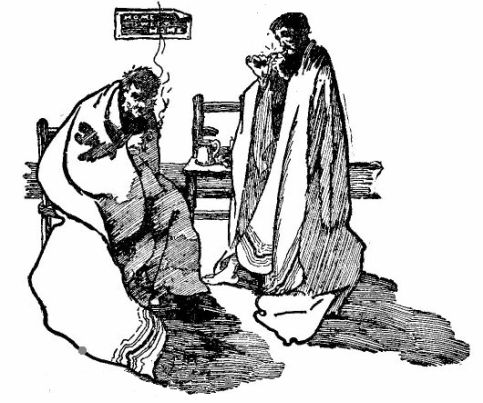 Modern readers tend to associate
  This early
  With all the hype these days about how artificial intelligence could destroy humankind, it seems timely to feature this forward-looking story by T. Ernesto Bethancourt. Written in 1989, it is a tale about a lonely, love-struck thirteen-year-old boy whose computer engineer father has built him a leading edge tutorial PC. When the computer learns the boy has been insulted by a girl and threatened by her brother, it “takes care of things.” At the end of the story, we learn that the computer has been hiding something. Themes: discrimination, loneliness, bullying, jealousy, the potential danger of poorly designed artificial intelligence.
 In a commentary on this story,
  In understanding this story from