Agkon, the Greedy Son

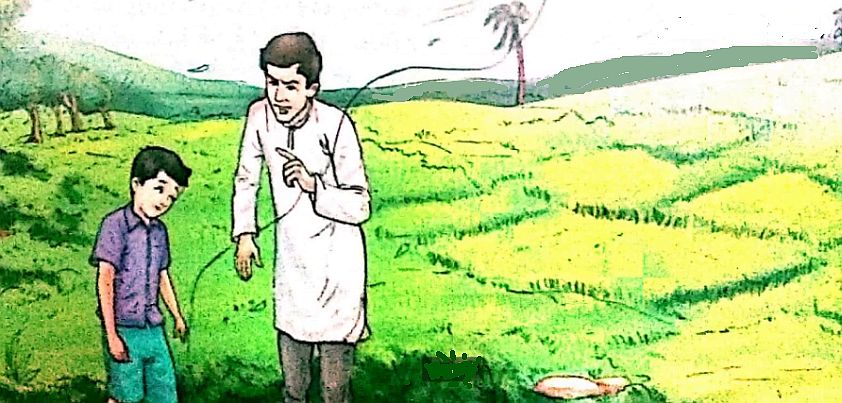
Agkon, the Greedy Son: Philippine Folktale from Richard M. DorsonIn this Philippine (Kalingga) folktale, a mother revives a rotting corpse to punish her only son for not sharing a meal. Not only is the punishment rather extreme, but when the poor lad is no more she regrets the decision… not because she loved the boy, but because she is lonely and has nobody else to help around the house. So, off to the river with some of his blood, a few magic words, and presto! He is back, having learned an important lesson about sharing. Unfortunately, there is no punishment for the mother’s cruelty and heartlessness!

Continue ReadingAgkon, the Greedy Son

All the King’s Horses

All the King's Horses: Short story by Kurt VonnegutThe major theme of this Cold War allegory from Kurt Vonnegut is the human cost involved in resolving armed conflicts. The focus of the story is the moral dilemma faced by those in ultimate command… the need to put personal feelings aside and make strategic decisions that are likely to result in collateral losses. The story also reflects the dynamics of power in war: how the ordinary soldier, general population, and even vassal powers such as Pi Ying’s rebels, are mere pawns in a “game” beyond their control. Other themes: cruelty, dehumanization, sacrifice, manipulation.

Continue ReadingAll the King’s Horses

You’re Ugly, Too

You're Ugly, Too: Short story by Lorrie MooreLorrie Moore’s protagonist Zoë is a small-town college professor. She is a free-spirited, “almost pretty”, emotionally troubled woman whose efforts to forge relationships without being a “Heidi” have achieved the opposite. Her witty, cynical one-liners have alienated colleagues, students and suitors alike. Central themes are loneliness, the expectations of men, and the role of sex in relationships. An offensive, misogynistic “big city” blind date confirms her misgivings about marriage; a medical scare and consequent thoughts of death bring into focus what she sees as the futility of her life. Other themes: isolation, alienation, appearance, gender roles, mortality, nihilism.

Continue ReadingYou’re Ugly, Too

The Bloody Chamber

The Bloody Chamber: Short story by Angela CarterIn Angela Carter’s titillating re-telling of Charles Perrault’s Bluebeard, a wealthy, three-times widowed French nobleman marries a seventeen-year-old virtuoso pianist and rushes her away to his secluded castle for a “honeymoon”. When browsing the library, she is shocked to discover his penchant for sadistic pornography. After a passionless consummation that satisfies his desire to have married a virgin, he lays a deadly trap designed to end the marriage. While he is away on business, the woman’s dark newborn curiosity springs the trap, which leads her into his bloody chamber. Themes: manipulation, sexual awakening, depravity, loneliness, curiosity, violence, death.

Continue ReadingThe Bloody Chamber

The Hack Driver

The Hack Driver: Short story by Sinclair LewisIn this amusing story by Sinclair Lewis, a newly qualified lawyer is sent to a small town forty miles into the countryside to serve a summons on a man needed for an important case. Although unsuccessful, he thoroughly enjoys his time with the helpful hack driver who drives him around all day, always one step behind his elusive quarry. He returns the next day with someone who knows the man he was looking for, and finds him standing beside his hack at the station. Themes include naivety, blind faith, deception and trickery, country vs. city life.

Continue ReadingThe Hack Driver

To Room Nineteen

To Room Nineteen: Short story by Doris LessingOn the surface, Doris Lessing’s protagonist had a perfect life. “Happily” married, financially secure, big house, healthy well-adjusted children, home help; what more could a woman want? The story is a product of its time (the early 1960s). Susan’s anguish about losing her independence and lack of fulfillment in life leads to depression, mental decline, and temporary escape from her demons in Room 19 of a seedy hotel. Too afraid of being ridiculed to confide in her husband and ask for help, she sees only one way out. Themes include loss of autonomy/identity, unsatisfying marriage, depression, communication breakdown, isolation, suicide.

Continue ReadingTo Room Nineteen

Four O’clock

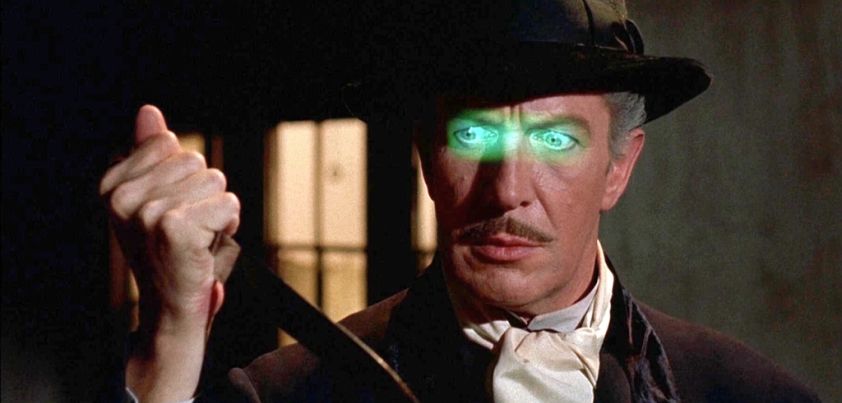
Four O'clock: Short story by Price DayThis is the one notable short story from award-winning journalist Price Day. A seemingly ordinary man has been given a series of “special powers” that could benefit mankind. He is too slow in using the first two (the power to ground war planes and prevent road accidents), and is determined not to do the same with the third: the ability to change evil people all over the world in a way that makes them easily identifiable. When he tries to do this, things don’t go according to plan. Themes: moral superiority, tempting fate (be careful what you wish for!), karma.

Continue ReadingFour O’clock

The Woman Who Came at Six O’Clock

The Woman Who Came at Six O'Clock: Short story by Gabriel Garcia MárquezThe central theme of this early Gabriel Garcia Márquez story is perception of others. ‘Queen’, the six o’clock regular in José’s restaurant, is a prostitute. Queen’s customers see her as a sex object, to be used and sometimes abused. The police see her as an alcoholic miscreant who cannot be trusted. José, who professes platonic love for Queen, sees the vulnerable human being within. Queen, who claims to be disgusted by all men, sees the caring, kind-hearted José only as someone to be taken advantage of. Other themes: habit, murder, naïveté vs. worldliness, misunderstanding, reputation.

Continue ReadingThe Woman Who Came at Six O’Clock