The Minister’s Black Veil

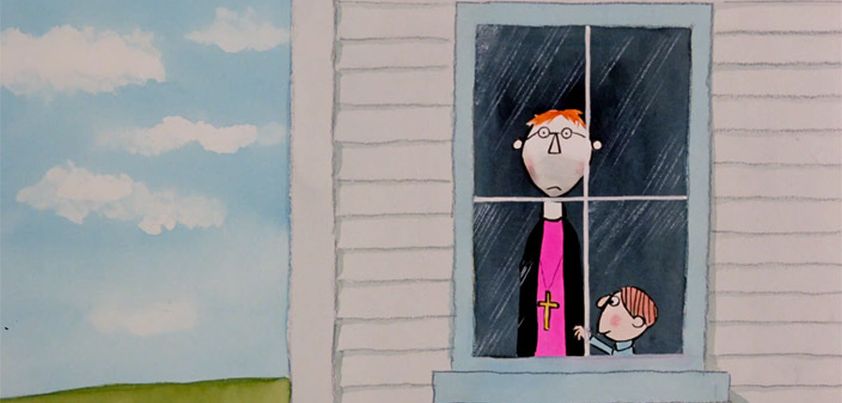
The Minister's Black Veil: Short story by Nathaniel HawthorneIn this Nathaniel Hawthorne story, a church minister frightens and intrigues parishioners by spending most of his life hiding his face behind a black veil. themes include uncertainty (Why the veil?), alienation and loneliness, hidden sins (for which the veil may be a symbol), moral superiority, guilt, fear, and death. Most readers consider the story from the parishioner’s side. However, it is interesting to contemplate how dark the world must look to the minister. Is the veil the equivalent of the dream by a character in another Hawthorne story (Young Goodman Brown): a reminder of the evil in every man?

Continue ReadingThe Minister’s Black Veil

The Offshore Pirate

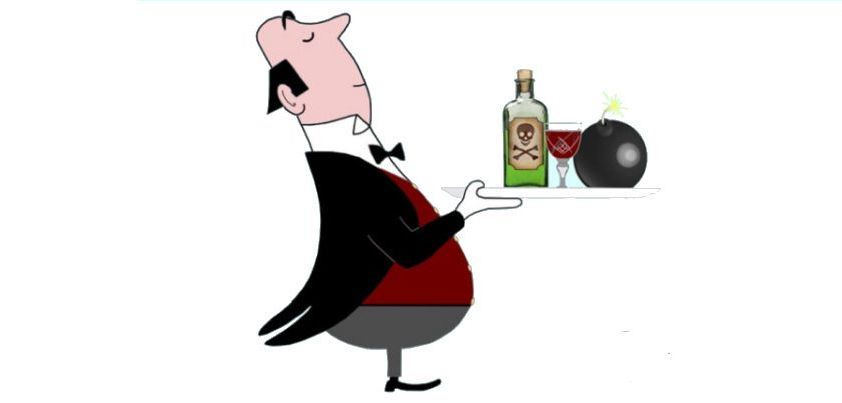
The Offshore Pirate: Short story by F. Scott FitzgeraldSeveral F. Scott Fitzgerald stories feature spoiled young women from wealthy families who make a sport of manipulating the men around them. Ardita, the flapper protagonist in this romantic adventure, is one of the rudest, most obnoxious of these. A highlight of the story is Fitzgerald’s powerful descriptive language. A disturbing feature for today’s readers is the use of 1920s social and racial slurs in building Curtis Carlyle’s backstory. Major themes include wealth, egotism, rebellion against authority, escapism, racism and class-consciousness. Despite the closing “illustrative” kiss, one wonders if any relationship with Ardita could have a happily ever after ending.

Continue ReadingThe Offshore Pirate

The White Horses of Vienna

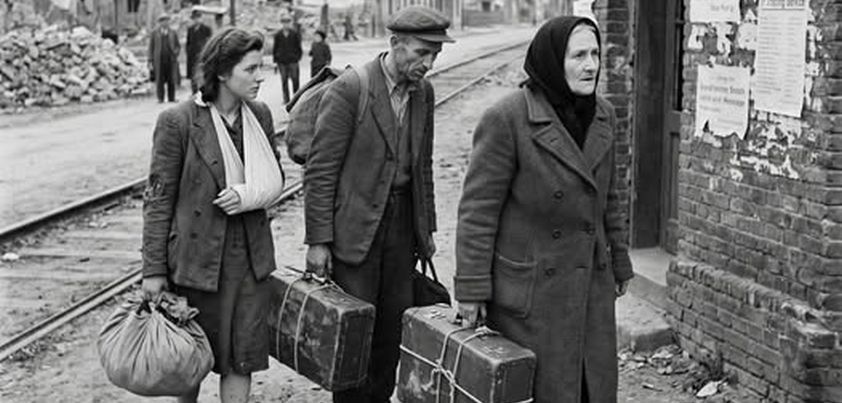
The White Horses of Vienna: Short story by Kay BoyleThis story from Kay Boyle reflects the rise of Austrian Nazism in the early 1930s. Its main characters are an injured doctor (and Nazi sympathizer), his anti-Semitic wife, and a Jewish locum sent to work with them. The story neither condemns nor condones Nazism. A puppet show alludes to the injured doctor’s political ideals; a tale about Vienna’s famed Lipizzaner horses is a metaphor for the fall of the Austrian Empire and the dire economic circumstances that will soon encourage the government to welcome Hitler’s armies. Themes include isolation and natural beauty, family, racism, fascism, activism vs. acceptance.

Continue ReadingThe White Horses of Vienna

God Sees the Truth, But Waits

God Sees the Truth, But Waits: Short story by Leo TolstoyThis is one of Leo Tolstoy’s earlier short stories, published between his two epic novels War and Peace and Anna Karenina, and thirteen years before What Men Live By. It has themes of injustice, acceptance, forgiveness and redemption. The protagonist suffers a dramatic fall in worldly terms, which is more than matched by his growth in spiritual grace. The plot was not new. It is a re-working of an almost identical tale from War and Peace related by peasant character Platon Karataev. The novel was written for the Russian nobility; this version was targeted at its common people.

Continue ReadingGod Sees the Truth, But Waits

Half a Day

Half a Day: Short story by Naguib MahfouzThis thought-provoking story from Naguib Mahfouz is an allegory of the phases and brevity of life. An old man’s nostalgic description of his first day at school triggers a stream of associated memories. He recalls completing his schooling and going on to experience friendship and love as if this all took place the same day. He then imagines setting out alone on a mystical journey “home”. Changes in the social and urban environments cause him to lose his way, and he becomes increasingly anxious to reach his destination and seek explanations (enlightenment?) from his “father”. Themes: time, memory, aging, change.

Continue ReadingHalf a Day

The Grandfather and the Python

The Grandfather and the Python: Short story by Ruskin BondOn the surface, this story by Ruskin Bond is a light-hearted tale about a vain python that falls in love with its own reflection. However, like Bond’s A Tiger in the House, the story raises serious questions about the capture and confinement of wild animals. Rather than being in “love”, the python is more likely confused by its reflection after being isolated from its kind for years. Moreover, if the python has no jungle survival experience, it is unlikely to live long when it finally emerges from its cage. Themes include eccentricity, fear, tolerance, vanity, (unintentional) animal cruelty.

Continue ReadingThe Grandfather and the Python

Elbow Room

Elbow Room: Short story by James Alan McPhersonThis metafictional story by James Alan McPherson is an account by an unidentified black writer of his relationship with a young multiracial couple in the late 1960s. Interspersed with the narrative are questions and observations from either his editor or himself. The intense husband struggles with his identity (both his “whiteness” and place in the world). His protective black wife, who has travelled extensively with the Peace Corps, is comfortable in hers. While the parents on both sides initially opposed the union, a baby brings them onside. Themes include race and racism, loss of innocence, identity and self-awareness, storytelling.

Continue ReadingElbow Room

The Machine Stops

The Machine Stops: Short story by E. M. ForsterThis Science Fiction classic by E. M. Forster explores the role of “the machine” in the rise and fall of a future dystopian civilization. After developing the machine the population grow dependent upon it, become controlled by it, worship it, and are ultimately destroyed by it. In the process, they regress in terms of human interaction, family relationships, physical strength, critical thinking ability and free will. Only the “homeless”, who have no access to the machine, survive. The major theme is the danger of over-reliance on and losing control of technology. Other themes: environmental degradation, religious faith, freedom, rebellion.

Continue ReadingThe Machine Stops