
The Golden Honeymoon
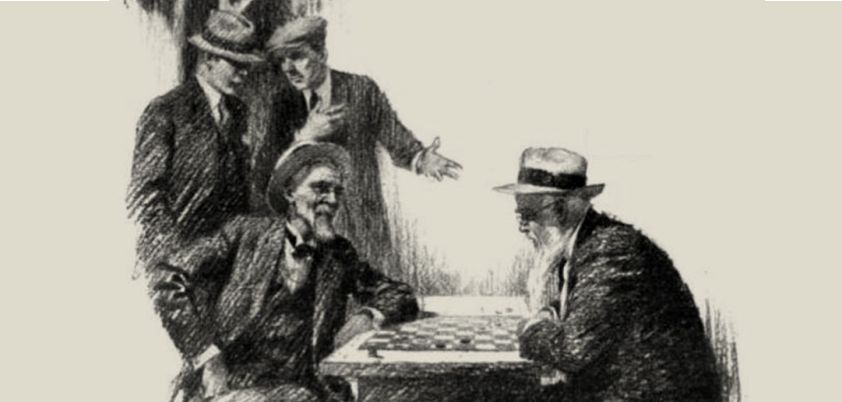 This story from Ring Lardner describes an elderly couple’s “second honeymoon” to celebrate their 50th (golden) wedding anniversary. Related in the folksy language of the 1920s, the story is a gentle satire of the shallow lives and petty concerns of the aged, and the way long-term marriages can evolve into lives of constant, albeit affectionate, bickering. Larder’s narrator (the husband) is a likeable old windbag: vain and insensitive; a good winner but poor loser; quick to find fault in others but never in himself; and always wanting things to go his way. Themes: aging, enduring love, jealousy, competitiveness, pettiness.
 Many of
 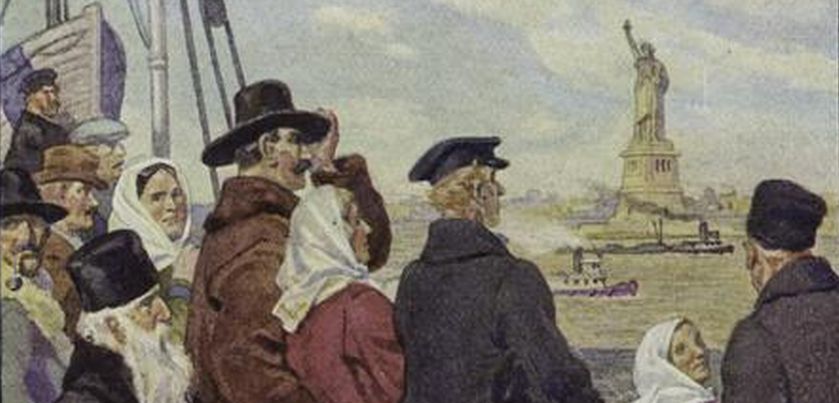 In this semi-autobiographical story,
  Few authors could write as powerful a story about a non-PC topic (body shaming) as
  Officials issued public pleas and advised residents on measures that would minimise risk of contagion, such as social distancing and increased personal hygiene. Sound familiar? This comes from the introduction to The Decameron, a 1353 collection of tales told by a fictitious group hiding from the plague (smallpox). Although most of the stories were borrowed from early Eastern and European sources, Italian author
 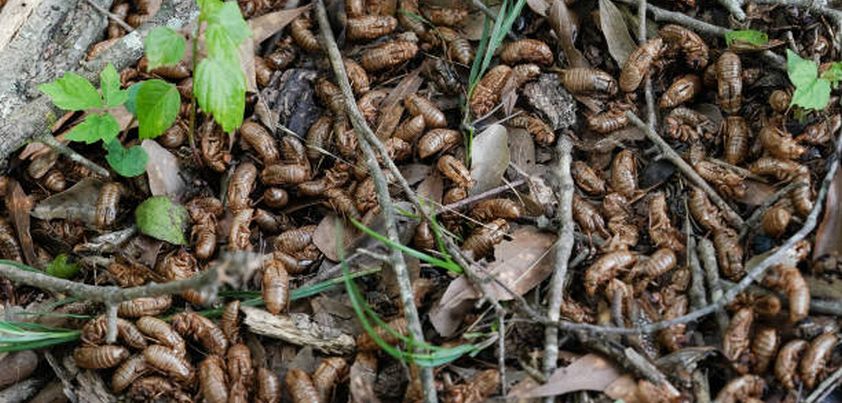 This coming-of-age story by Camille Acker initially comes across as yet another “too good to be true” tale about a young African-American girl from a working-class family overcoming the odds. (In this case to win a piano competition against privileged white kids from a wealthy neighborhood.) The narrative takes a turn after the competition as her family’s lower socio-economic status becomes clear. Provoked by the rude, condescending attitude of another competitor, she attacks the other girl’s chauffeur-driven car with the only weapon available… cast off cicada shells! Themes include poverty, social class, parental love, success, pride, identity.
 In Shells by
  The adultery in this story from