Quiet Town

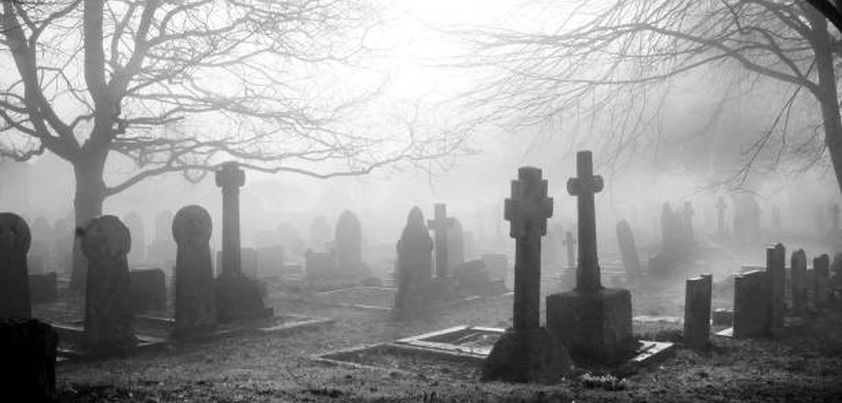
Quiet Town: Short story by Jason GurleyThe recently released 6th Assessment Report by the UN Climate Change Panel presents a pessimistic assessment of the world’s progress in controlling global warming. That makes this an appropriate time to feature science fiction writer Jason Gurley’s Quiet Town, a grim picture of what may be the future of low-lying townships along world coastlines. Bev, her son Benji, and annoying neighbor Ezze are among the few remaining residents of a small town in which the rising ocean has just breached the sea wall. Experts had originally predicted that this would not happen for fifty years: it had taken five!

Continue ReadingQuiet Town

My Milk Goes Dry

My Milk Goes Dry: Novelette by Minh QuanMajor themes of this humorous story by Minh Quan include alienation, indoctrination, insecurity, obsession and motherhood. An orphaned Vietnamese girl grows up constantly being told that, because she was brought up on an animal (cow milk) based baby formula, she will grow into a barbarous woman devoid of human sentiment. This and many other evils, her uncle says, is all the fault of the French. The comments not only reinforce her lowest in the household childhood inferiority complex, but also lead to an unhealthy obsession with her breasts and breast-feeding when she has her own children.
Continue ReadingMy Milk Goes Dry

At War’s End: An Elegy

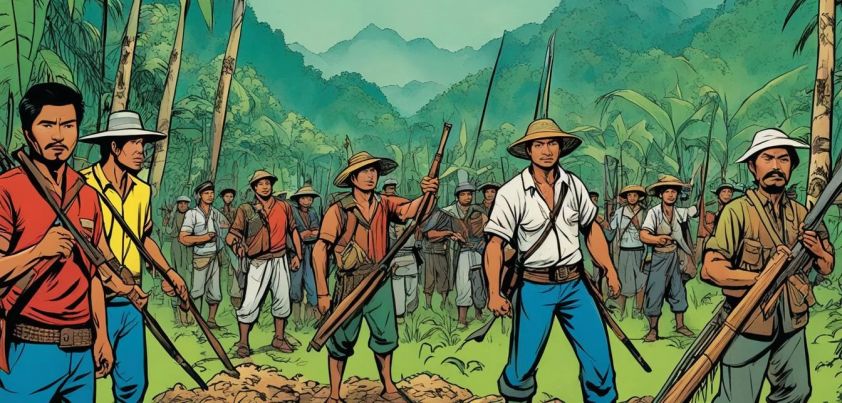
At War's End: An Elegy: Short story by Rony V. DiazThis story by Rony V. Diaz takes place during the Philippine Hukbalahap Rebellion at the end of World War 2. The “Huks”, originally a peasant resistance who fought the Japanese, embraced communist principles and turned their attention to overturning the country’s feudal farming system. The heir to a large landholding mysteriously commits suicide. It is unclear whether he acted because of a promise made to break up his family land, or uncertainty and fear about doing so. The answer may lie in a cryptic poem confiscated by police. Major themes include tradition, feudalism, wealth vs. poverty, social change, suicide.

Continue ReadingAt War’s End: An Elegy

The Dead

The Dead: Short story by James JoyceThe major themes in this James Joyce masterpiece are failure to change (paralysis) and, of course, death and “the dead”. Other themes include Irish Nationalism, cultural identity, tradition, privilege, pride, and self-discovery. Gabriel, a condescending Irish intellectual, has rejected his country’s entrenched “backward” culture and embraced cosmopolitan British ways. His wife’s reaction to a little-known Irish folk-song sung by her long-dead first love brings about an epiphany. Gabriel suddenly realizes the need to take more positive steps in his own life, and how the lives of the dead can have a major influence on the living.

Continue ReadingThe Dead

The Oval Portrait

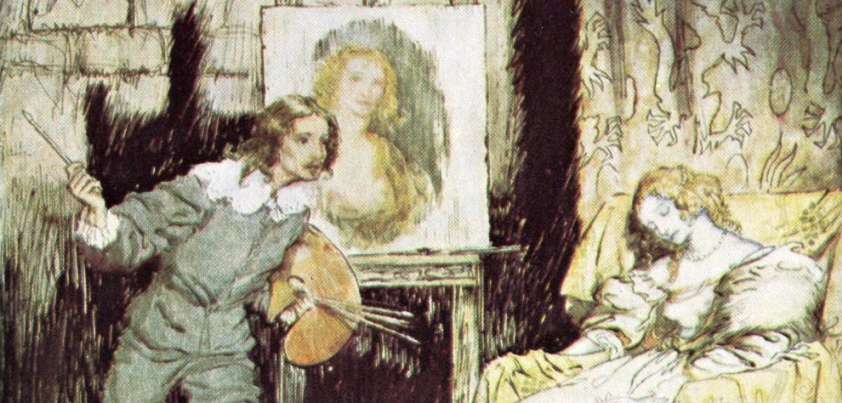
The Oval Portrait: Edgar Allan PoeThis Edgar Allan Poe story demonstrates the sinister side of how beauty can live on through art. An injured traveler takes shelter in an empty mountain chateau. There are paintings on and around the walls of his room. On his pillow is a book describing them. His eyes fall on the portrait of a beautiful woman that seems a little too lifelike. Disturbed, he finds its entry in the book. The woman’s story suggests that although art can preserve beauty, artistic obsession can destroy it in the making. Themes include art and artistry, rare beauty, love, obedience, obsession and death.

Continue ReadingThe Oval Portrait

Paste

Paste: Short story by Henry JamesThe main theme of this story from Henry James is that things aren’t always as they appear. The stepson of a deceased vicar’s wife offers her gaudy costume jewellery to his young cousin. Later, the cousin learns that one piece, a pearl necklace, may be genuine. This is one of those rare stories where a protagonist who chooses to do the right thing is the only loser. Mystery surrounds how the dead woman came by such a necklace, and its fate after she returns it. Other themes: temptation, morality, vanity, greed, betrayal.

Continue ReadingPaste

Leiningen Versus the Ants

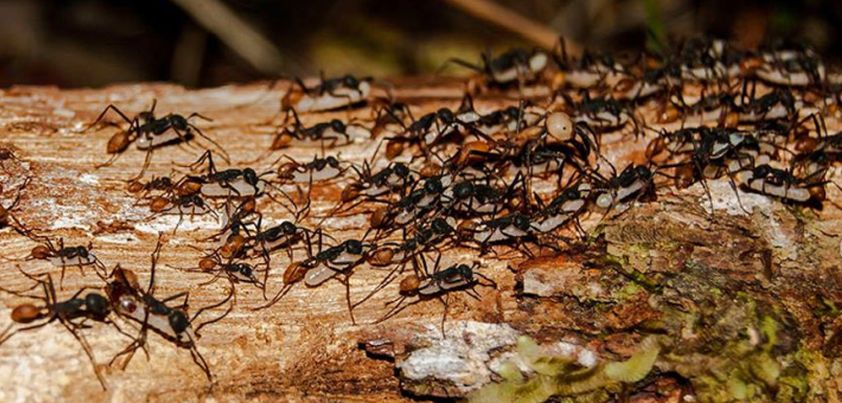
Leiningen Versus the Ants: Short story by Carl StephensonIn today’s story by Carl Stephenson, four hundred men on a Brazilian plantation fight off an army of killer ants. Its major theme is the courage and ingenuity of (European) man against the power of nature. Other themes include the “civilizing” benefits of colonialism, racism (Leiningen is portrayed as a heroic leader, the Indian “peons” primitive and fearful) and misogyny (Critical situations first become crises when oxen or women get excited.) Ironically, despite Leiningen’s boasts about his superior intelligence and faultless preparations (which fail), it is a last-minute idea, which he had previously overlooked, that saves the day.

Continue ReadingLeiningen Versus the Ants

Such Interesting Neighbors

Such Interesting Neighbors: Short story by Jack FinneyIn this story by Jack Finney, a man notices some unusual things about his new neighbors. Individually these mean little until the husband relates a science-fiction story he claims to have written. The story envisages a dystopian future where most people struggle to make a living and face the virtual certainty of death and destruction through war. The result is mass emigration to the past thanks to television’s modern replacement… personal time machines. Could the story be true, and the young couple two of these time-traveling refugees? Themes include societal collapse, nostalgia, escapism, integration, time-travel.

Continue ReadingSuch Interesting Neighbors