
Shopping
 This story is about motherly love taken too far. Joyce Carol Oates uses a trip to the mall to explore the relationship between a lonely, divorced mother and her 17-year-old daughter. At one point, the mother wants to ask her daughter: Why are you unhappy? Why do you hate me? Later, the mother stares at her with hatred. The girl is blossoming into independent womanhood. She has been the sole focus of her mother’s life, and the mother is having trouble “letting go”. Themes include helicopter parenting, loneliness, alcoholism and identity.
 This story by
  In addition to writing fantasy and horror stories,
  Both adults and children have been known to cry at the end of the story within a story in this tale from
 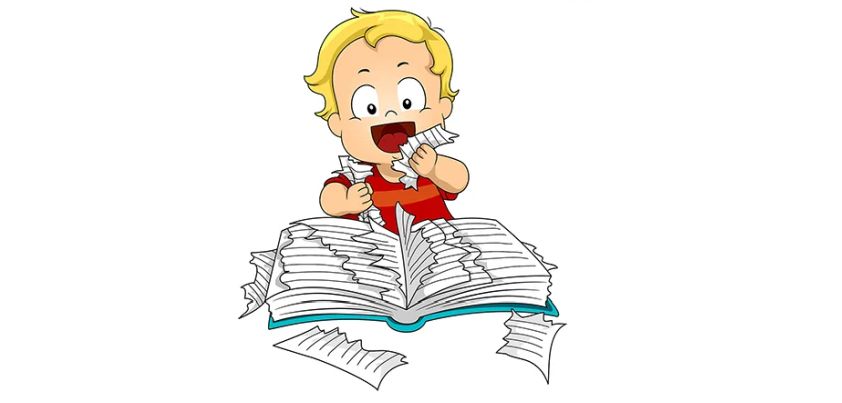 This story by
  In this story by Adam Bagdasarian, a boy cruelly asks a girl to go steady in order to win a bet. The girl, who he knew liked him, is free-spirited, controlling, and has highly romantic perceptions of what going steady should entail. He wasn’t looking for such a commitment, likening her to a boa constrictor, and after four days decides to call it off. He finds this easier said than done and, after finally plucking up the courage to do so, immediately puts himself in a similar position. Themes include teenage relationships and expectations, insensitivity, honesty, control, commitment.
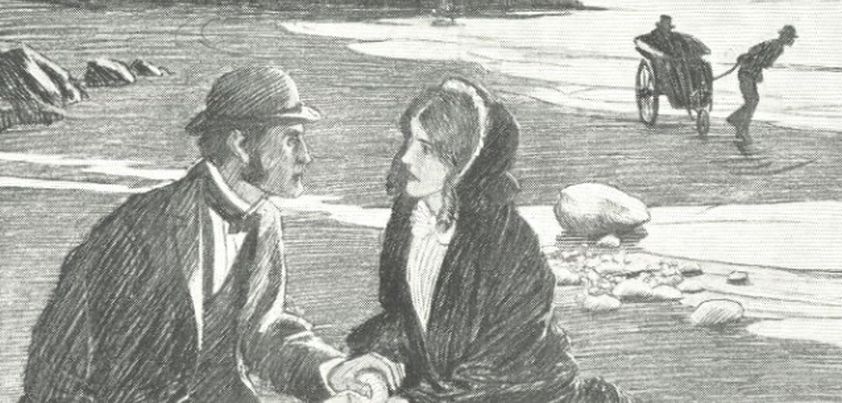 Although the language is that of the mid-Victorian era (occasional archaic vocabulary and long, formal sentences), this witty, detective-style story from
 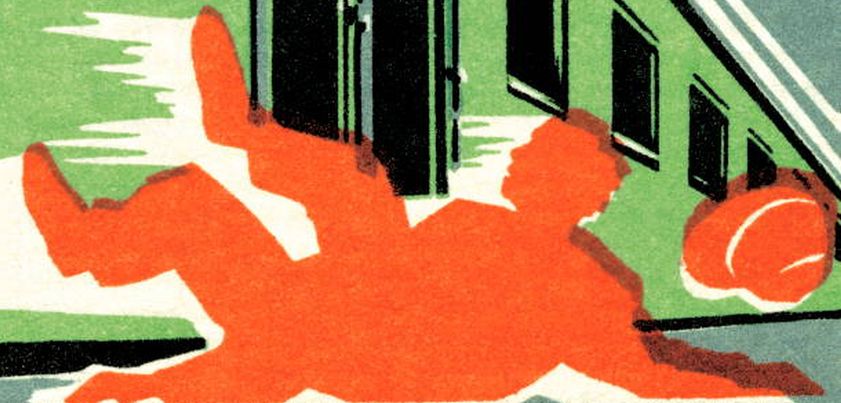 First time readers of this narrative from