Her Hands That Held the Stars

Her Hands That Held the Stars: Short story by Rebecca BirchThis story by Rebecca Birch for Cricket Magazine takes place in a future world where people live in tall towers and the air is so polluted that they cannot see stars through their windows. The only way to see them is to get above the “eversmog” by standing on top of one of the towers. This is so dangerous that it requires a special key. A disobedient but determined twelve-year-old “borrows” one of these keys. While gazing at the stars in awe, she learns that she has a special destiny. Themes: the wonder of nature, environmental degradation, courage, ambition, destiny.

Continue ReadingHer Hands That Held the Stars

The Eyes Have It

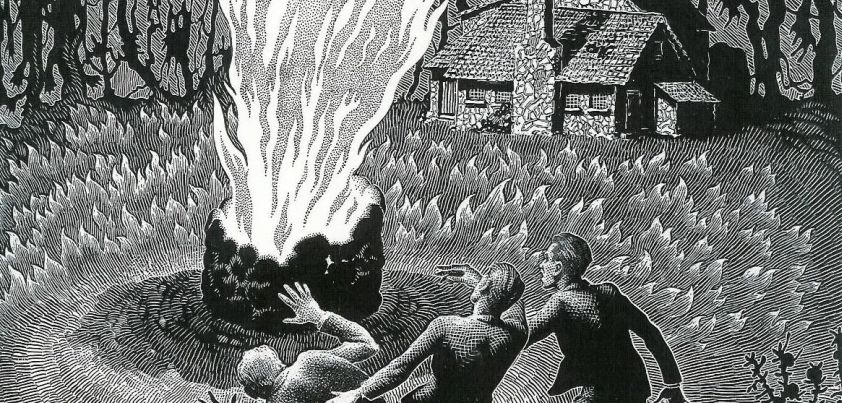
The Eyes Have It: Short story by Philip DickThis story by Philip Dick takes a satirical look at the clichéd use of English idioms in popular fiction. Best known as a science fiction writer, Dick makes his point through the eyes of a man who believes he has stumbled upon an invasion of Earth by alien lifeforms that are so highly developed they can shed body parts at will. His story could cause major problems if more people were aware of it. In an age where it takes very little to set off a conspiracy theory, many people could ‘lose their mind’ wondering if it is true.

Continue ReadingThe Eyes Have It

Kate Crackernuts

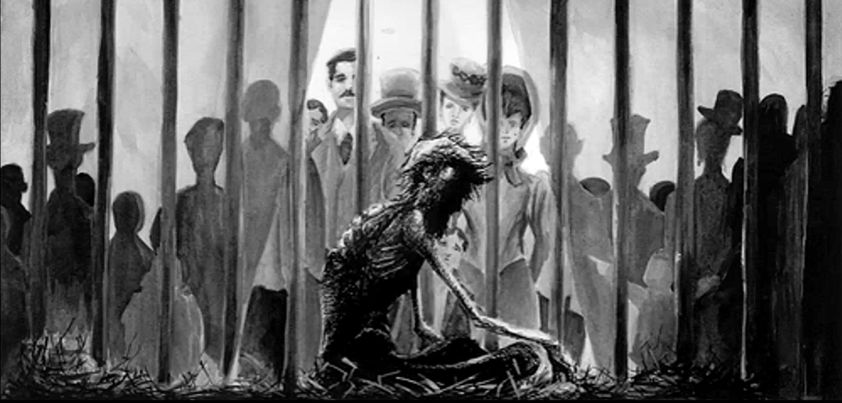
Kate Crackernuts: Scottish folktale from Joseph JacobsWhat’s this? A folktale where a wicked queen doesn’t come to a terrible end and stepsisters love each other! Where’s the fun in that? A queen is unhappy that her stepdaughter is more beautiful than her own daughter. So, with a little magic, she pops a sheep’s head onto the prettier one’s shoulders. The two girls run away together and of course marry handsome princes. However, I am a bit worried about a possible message from the story, which seems to suggest that it is OK to steal from babies as long as you do it for a good cause.

Continue ReadingKate Crackernuts

The Doctor’s Word

The Doctor's Word: Short story by R. K. NarayanIn this story by R. K. Narayan, a doctor renowned for telling patients the truth, even if the news is bad, faces a dilemma. A seriously ill close friend asks for a prognosis, saying that if he is dying he must finalize his will to protect his wife and children. The doctor doesn’t think he will survive the night, and is concerned that the shock of hearing this will kill him. He must choose between telling the truth, or lying to give is friend hope and a small chance of survival. Themes include truthfulness, friendship, faith, hope, choices and consequences.

Continue ReadingThe Doctor’s Word

In the Night

In the Night: Short story by Jamaica KincaidThis story from Jamaica Kincaid shares several features mentioned in our analysis of another of her stories, Girl. These include the major theme of mother-daughter relationships, use of poetic techniques (especially repetition) and mystical references to Obeah (Antiguan witchcraft). A young girl takes a dreamlike walk through the night. It is an unstable, irrational world in which she encounters a vampiric woman, zombie-like man, and shape-shifting Jablesse. As the night becomes more threatening, she finds protection, comfort and permanent happiness in the arms of a loving, motherly figure. Other themes: darkness, dreams, the supernatural, confusion, fear, comfort, love.

Continue ReadingIn the Night

The Fiddler

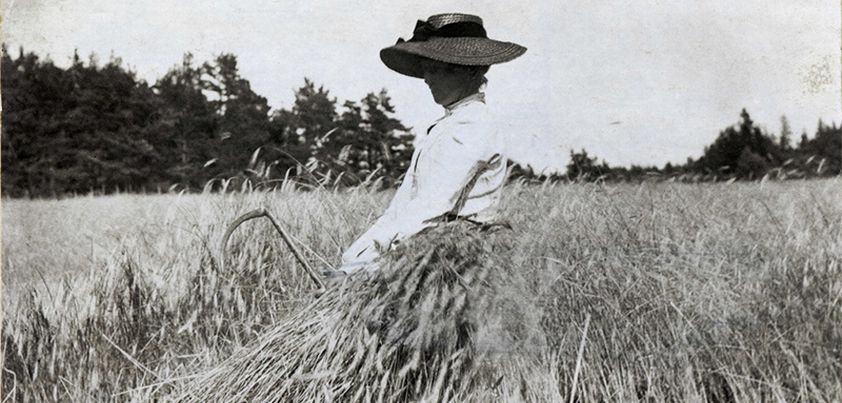
The Fiddler: Short story by Herman MelvilleIn this story from Herman Melville, the major theme (finding the right balance between ambition, fame and happiness in life) is introduced indirectly through a chance meeting. A struggling writer is in a “desperate mood” after negative reviews of his latest work. His life changes when he is introduced to a contented, good-humored man who goes house to house teaching the fiddle. The writer admires the way “commonplace” fiddler, who appears to have no special talents, is able to live life to the fullest. Enlightenment comes when he learns the fiddler’s secret. Other themes: accepting criticism, judging by appearances.

Continue ReadingThe Fiddler

Désirée’s Baby

Desiree's Baby: Short story by Kate ChopinKate Chopin’s Désirée’s Baby Kate Chopin’s Désirée’s Baby reflects the culture of America’s ‘Deep South’ in the mid-1800s. The name Désirée originates from the French word for desire. Armand Aubigny, a young plantation owner who is proud, bigoted and harsh on his slaves, marries the orphaned Désirée for her beauty. He is not concerned about her unknown background until she has a mixed-race baby. His reaction causes Désirée to run from the house and flee with the baby into the bayou. Some weeks later, Armand uncovers an even more devastating secret. Themes (see below) include love, impulsiveness, racism, elitism, shame and/or vindictiveness, and identity.

Continue ReadingDésirée’s Baby

Night

Night: Short story by Tatyana TolstayaIn this heart-wrenching story by Tatyana Tolstaya, an impoverished eighty-year-old woman struggles to cope with task of looking after her middle-aged, severely retarded son. The man is dependent on his mother’s directions to get him through the day. He has virtually no social skills, is confused about women, and is prone to violent outbursts and extreme behaviour when things don’t go his way. The story begs but does not answer the question: What will happen when his mother is no longer around to take care of him? Themes: love and devotion, mental health, alienation, poverty, fear, dreams and fantasy.

Continue ReadingNight