What Shall We Do When We All Go Out?

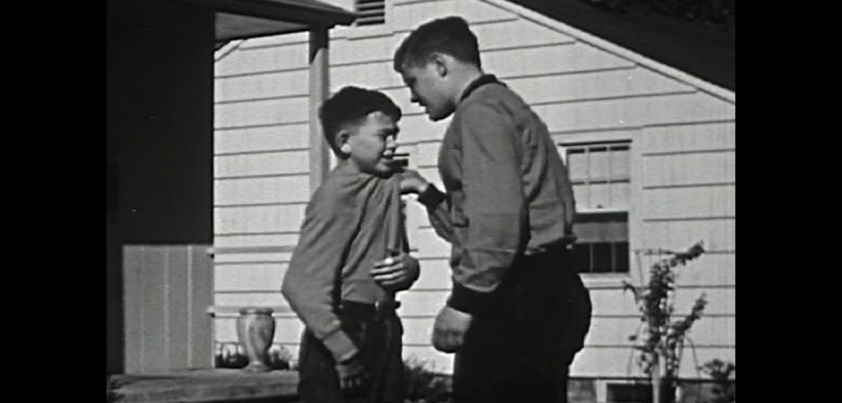
What Shall We Do When We All Go Out?: Short story by Gregorio C. BrillantesIn this story by Gregorio Gregorio C. Brillantes, a nine-year-old Philippine boy’s childhood innocence is shattered over the course of a school term. His public servant father has been relocated to a large provincial town. The boy likes this town more than the smaller ones they had lived in, and is very happy in his new school. Two events destroy his comfortable outlook on the world: the death of a classmate followed by a school field-trip to view his body, and his forced initiation under threat of violence into a gang of older students. Themes include innocence, death, violence, intimidation, fear.

Continue ReadingWhat Shall We Do When We All Go Out?

The Ordinary Son

The Ordinary Son: Short story by Ron CarlsonThe story from Ron Carlson is a satire of 1960s life and its fixation with science, war, protest and material possessions. Protagonist Reed had a spartan, lonely childhood. His parents (NASA physicist father and poet/activist mother) are eccentric geniuses. His brother and sister are equally intelligent. When Reed discovers he is “ordinary”, he feels a sudden sense of relief and freedom. He gets a low-level job, buys a car, drinks beer and goes fishing for the first time, and fantasizes over a lewd picture he sees in a magazine. Themes: family, materialism, diversity, pressure to meet expectations, work/life balance, sexuality.

Continue ReadingThe Ordinary Son

Barn Burning

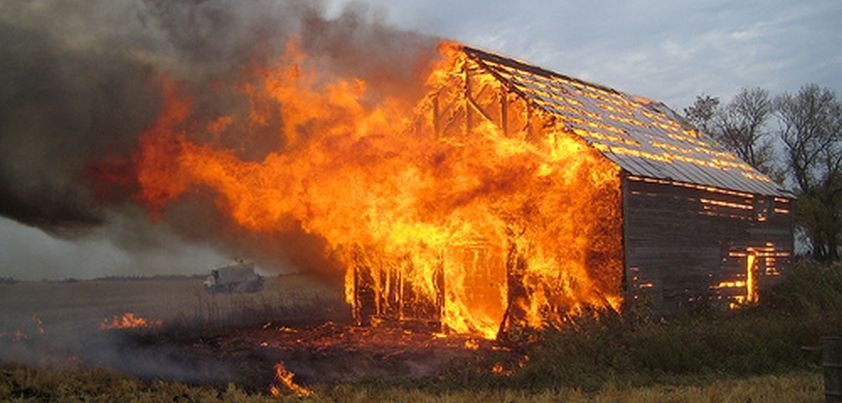
Barn Burning: Short story by William FaulknerBarn Burning by William Faulkner is a story of how a ten-year-old boy rises above the intimidation and bullying of his embittered father. The father’s simmering anger stems from jealousy and lack of respect, fueled by an exploitative sharecropping system that keeps tenant families like his in perpetual poverty. He seeks retribution through senseless acts of arson (barn burning) against landholders he believes have slighted him. The boy, sensing the immorality of his father’s actions, has the courage to rebel and do something about it. Themes: family, class, alienation, exploitation, pride, anger, revenge, loyalty vs. morality, courage, betrayal.

Continue ReadingBarn Burning

A Girl Like Phyl

A Girl Like Phyl: Short story by Patricia HighsmithThe major themes of this story by Patricia Highsmith are shattered dreams, hypocrisy, betrayal and the fragile nature of identity. A chance meeting with an eighteen-year-old girl at an airport revives bittersweet memories for a successful, seemingly happily married businessman. The girl, who bears a striking resemblance to his long obsessed over ex-girlfriend Phyl, later ends up in his hotel room and tries to seduce him. When he learns the next day that she is Phyl’s daughter and observes Phyl berating her for spending the night in a stranger’s room, his self-esteem and outlook on life are destroyed.

Continue ReadingA Girl Like Phyl

Abuela Invents the Zero

Abuela Invents the Zero: Short story by Judith Ortiz CoferThe major themes of this Judith Ortiz Cofer story are respect and consideration for the feelings of others. The protagonist’s (Connie’s) Abuela deserved respect because of her age and family contribution. Instead, Connie appears put out by her visit. Her tone in describing what happens from the moment Abuela arrives to events in the church is condescending and belittling, showing little cultural awareness or thought for the poor woman’s frailty and possible senility. The self-admitted “jerk” is more worried about the inconvenience and “look” (her social image) than her Abuela’s feelings. Other themes: family, aging, responsibility, embarrassment.

Continue ReadingAbuela Invents the Zero

The Continuity of Parks

The Continuity of Parks: Short story by Julio CortázarJulio Cortázar‘s The Continuity of Parks is unusual in that it is a “story within a story” in which the two stories come together. The title stems from the fact that part of the setting of both stories is the same park at the same time. A tired businessman relaxes with a book. He becomes absorbed in the story (a murder mystery), unaware that the “hero” and “heroine” featured in the book are nearby preparing for the murder he is reading about, and that he is the intended victim! Themes include escape, betrayal, murder, the continuity between fiction and reality.

Continue ReadingThe Continuity of Parks

The True Story of Kanakapala, Protector of Gold

The True Story of Kanakapala, Protector of Gold: Short story by Raja RaoThis “story within a story” from Raja Rao reads more like a reinterpreted folktale than a work of fiction. The unidentified narrator repeats a tale related by an old woman that includes elements of oral history, personal observation/interpretation, and gossip. The major themes of her story, which spans three generations, include piety, devotion, duty, greed, karma and the supernatural. The “glue” holding the story together is Kanakapala, a huge cobra that guarded a buried treasure bestowed upon Lord Shiva and the goddess Vishalakshi. Kanakapala literally “met its end” when its powers proved ineffective against rogue descendants of the treasure’s donor.

Continue ReadingThe True Story of Kanakapala, Protector of Gold

Camp Cataract

Camp Cataract: Short story by Jane BowlesThis story from Jane Bowles examines the toxic relationship between three troubled sisters who share a city apartment. One of them is midway through a ten-week holiday in a Camp Cataract cabin as part of a long-term plan to move out and live independently. When another turns up uninvited, hoping to convince her to cut the holiday short, they arrange to meet for lunch the next day. Both have different recollections of what happens the following morning. Madness intervenes, and only one of them survives the day. Themes: self-analysis, identity, independence, mental illness, spinsterhood, female relationships.

Continue ReadingCamp Cataract