
The Memsahib of Mandla
 In this story by Khushwant Singh, nature and the ghost of a woman who founded an Indian missionary school combine to drive a British man and his family from a forest officer’s rest house. The rest house was the woman’s home before it was appropriated by the government, and hasn’t been lived in since she died. In addition to being insensitive and chauvinistic, the husband typifies the stereotype of arrogant, self-serving British officials during the Raj. He decides to shoot the ghost, but things don’t turn out as planned. Themes include colonialism, humanitarianism, loyalty, fear, justice, the supernatural.
 This “coming of age story” is the self-contained first chapter of
 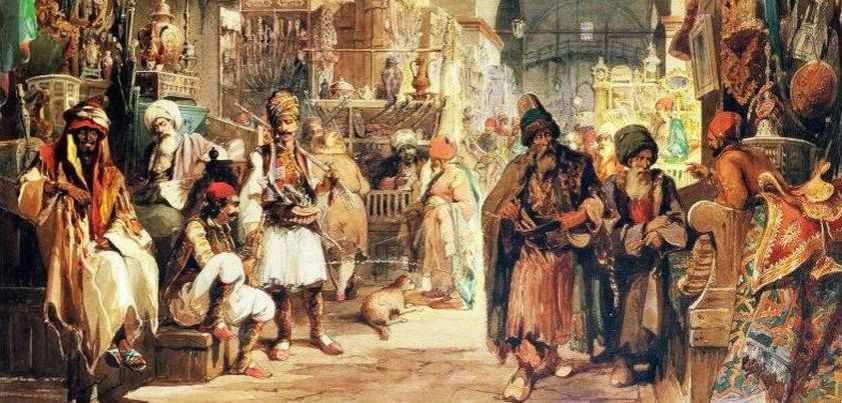 In this Indian folktale, a man travels to a distant land to seek his fortune. He succeeds and decides to convert his riches to jewels and return home. As he nears home, a ‘friendly’ merchant warns him that there are robbers on the road ahead. The traveler leaves his jewels in the care of the merchant. He then travels home to hire men to help him get the jewels through safely. On his return, the merchant tries to cheat him. To get the jewels back, the traveler needs help from someone who is even better at cheating than the merchant.
 This partly autobiographical story from
  This rather depressing story from
  Seen as an allegory of aspects of Soviet life (censorship and fear of malevolent authority), this story by
  Brazil was the last country in the Western world to abolish slavery. Major themes of this story by
  In
In