The Snow Child

The Snow Child: Short story by Angela CarterThe main theme of Angela Carter’s Snow Child is feminist gender stereotyping. There are no heroes here. A powerful, dominating and lustful Count humiliates his wife by wishing for a young girl and clothing her in the vain Countess’s furs. His masculinity and dignity are then stripped away as he weeps while defiling the child’s dead body. The usually submissive Countess experiences a moment of power as the Count guiltily hands her the rose that’s thorn prick killed the child. This passes when a similar prick fails to kill her, proving that she lacks the sweet innocence of the snow child.
Continue ReadingThe Snow Child

Wolf

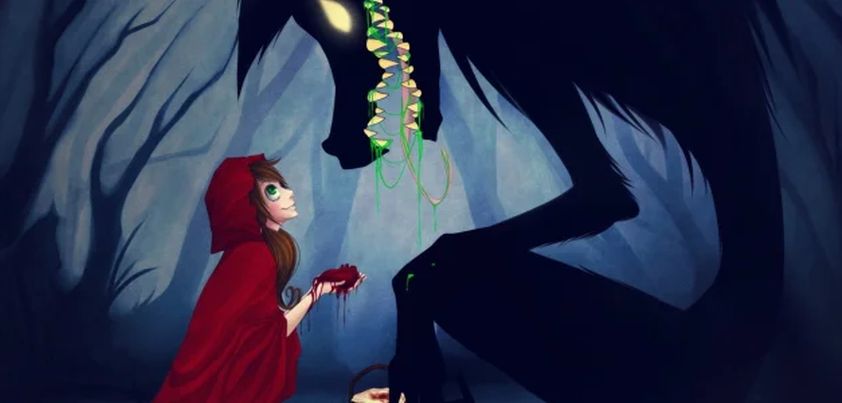
Wolf: Short story by Francesca Lia BlockIn Francesca Lia Block‘s confronting take on the Red Riding Hood fairy tale, the girl has already fallen prey to the wolf (her stepfather) in the form of repeated rapes over several years. The experience has affected her self-esteem and given her a bitter, distrustful outlook on the world. As in Red Riding Hood, when the girl flees to her grandmother’s house for protection, the wolf is waiting for her. Unlike the fairy tale, the two don’t need a woodcutter to save them. Themes include sexual assault, betrayal of trust, guilt, shame, mother-daughter relationships, self-empowerment, anger, revenge.

Continue ReadingWolf

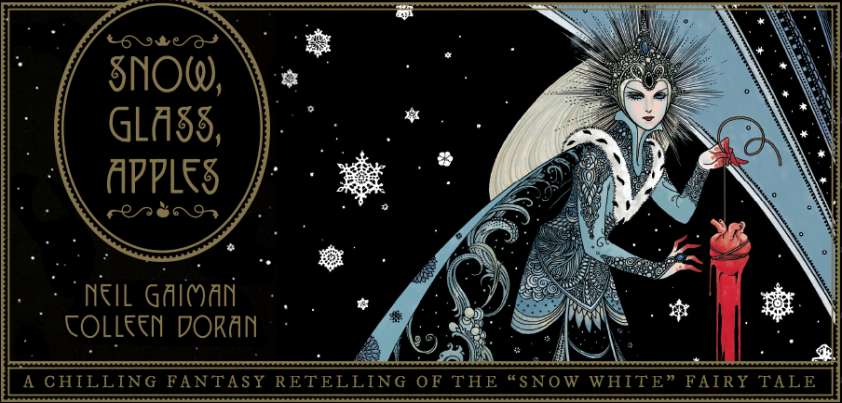
Snow, Glass, Apples

Snow-Glass-Apples: Short story by Neil GaimanThis Neil Gaiman story is yet another re-invention of the Snow White tale. However, a shift in point-of-view from a third-person omniscient narrator to the first-person perspective of the Queen allows the story to be re-imagined in a way we are unlikely to see from Disney. The much-maligned Queen knows a little magic (enough to glimpse the future and enchant the King), but not enough to match her evil stepdaughter. In the end, the Queen’s fate adds a new meaning to the slang term to feel cooked. Themes include power, vampirism, murder, revenge, jealousy, cruelty, sexual depravity (necrophilia, pedophilia, incest).

Continue ReadingSnow, Glass, Apples

The Revolt of “Mother”

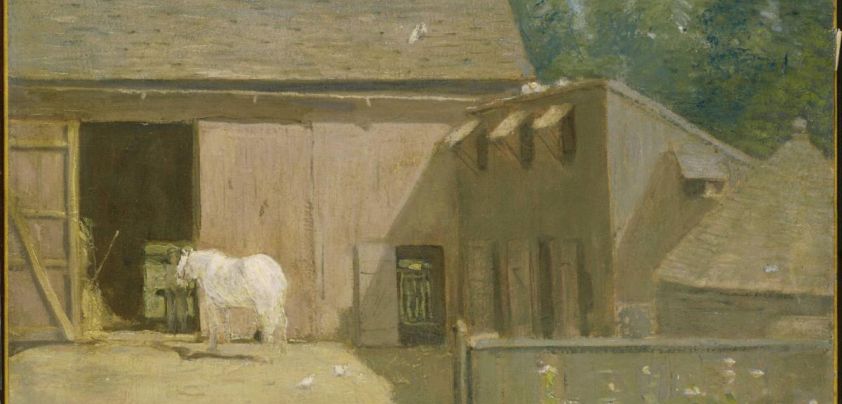
The Revolt of This Mary E. Wilkins Freeman story is an early example of American literary feminism. When Adoniram, an insensitive, authoritarian farmer decides to build a barn on the site of a promised new house and refuses to discuss the issue, his long-suffering wife takes a stand. Sarah, the hard-working and devoted “Mother”, sees his need to spend a few days away as a sign from God. Much to the surprise and amusement of the local community, she goes about turning the new barn into a home. Themes: gender roles/repression (male domination), insincerity (false promises), spirituality, rebellion.

Continue ReadingThe Revolt of “Mother”

The New Constitution / Naya Qanun

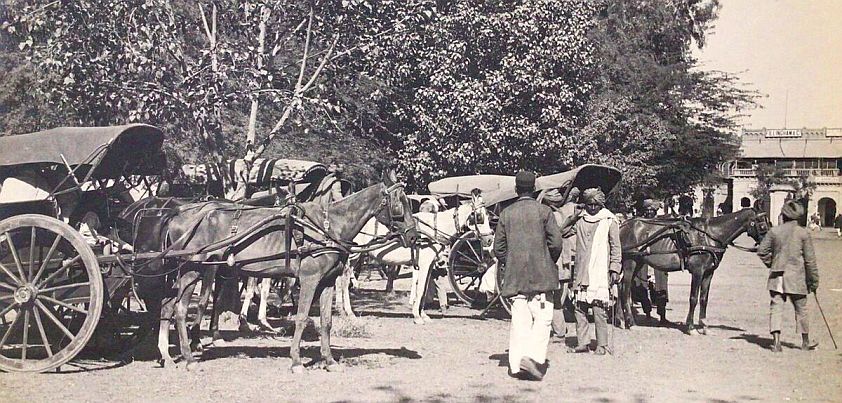
The New Constitution / Naya Qanun: Short story by Saadat Hasan MantoA message of this story by Saadat Hasan Manto is to make sure you fully understand something you overhear before acting on it. An illiterate tongawala [coachman] learns about the world by eavesdropping on customers. Over several days, he overhears talk of a new “India Act”, which he misinterprets to be a new constitution that will free India from British rule. Having developed a hatred of the British for subjugating and exploiting his country, he is excited by the “news”. Unfortunately, acting on it lands him in jail. Themes include colonialism vs. freedom and self-determination, excitement, hope, disillusionment.

Continue ReadingThe New Constitution / Naya Qanun

Who Will Greet You At Home

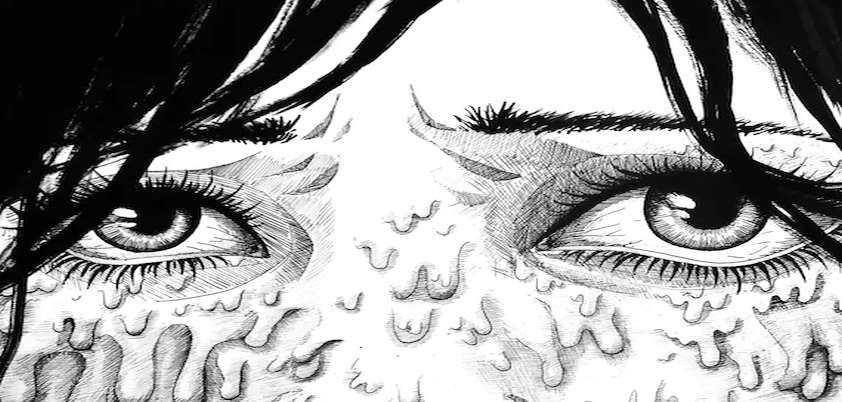
Who Will Greet You At Home: Short story by Lesley Nneka ArimahIn this surreal horror story from Lesley Nneka Arimah, children are created in the form of craft dolls by their mother, blessed by their grandmother or an elderly substitute, and nurtured for a year until they “become flesh”. In the interim they feed, move and act like babies, but in their doll form. The dolls can be made from any material (straw, sticks, clay, etc.) that is strong enough to last a year. But there are rules. When Ogechi, the impoverished protagonist desperate to have a child breaks one, bad things happen. Themes: magic, poverty, exploitation, isolation, obsession, motherhood.

Continue ReadingWho Will Greet You At Home

Saint Manuel Bueno, Martyr

Saint Manuel Bueno, Martyr: Short story by Miguel de UnamunoThis Miguel de Unamuno story (aka Saint Emmanuel the Good, Martyr) is a memoir by a Spanish woman reflecting on her close connection with a Catholic priest about to be beatified. The outwardly pious man, who was credited with several miracles and spent his life ministering to the people of her remote mountain village, harbored an astonishing secret… he did not believe in God! His life had been a charade for the supposed good of the villagers. Themes include existentialism, self-sacrifice, community, the nature and role of religion, New vs. Old World values, identity, truth vs. ignorance and bliss.

Continue ReadingSaint Manuel Bueno, Martyr

Death in Venice

Death in Venice: Novella by Thomas MannThis Thomas Mann classic is renowned for its masterful psychological profile of Aschenbach, a jaded, aging writer who develops an unhealthy infatuation with a fourteen-year-old-boy during a Venetian holiday. Although the novella’s central theme (homosexuality) is no longer controversial, other aspects of the story (pedophilia and stalking) certainly are. Sympathy for Aschenbach is greatly diminished when, out of selfishness, he decides not to warn the holidaying boy’s family about a deadly epidemic being covered up by authorities. Many readers see Aschenbach’s fate as just punishment for his actions. Other themes: art and the artist, alienation, obsession, depravity, death.

Continue ReadingDeath in Venice