The Patient Cat

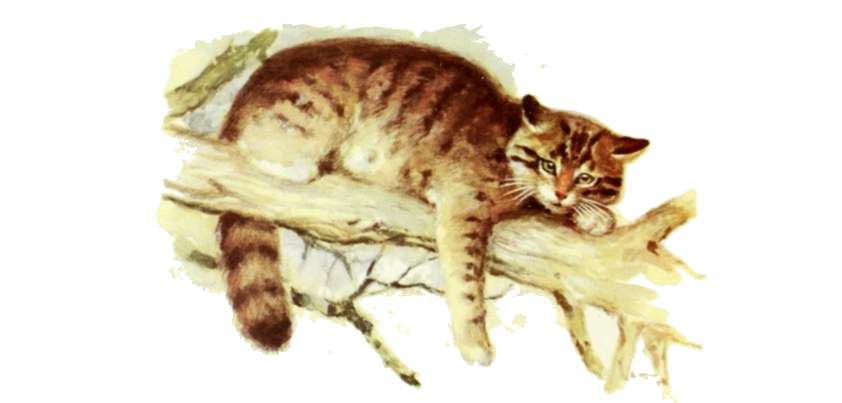
The Patient Cat: Short story by Laura E. RichardsThis short fable by Laura E. Richards teaches a lesson about patience. The cat showed patience in waiting for the bird to lay all of its eggs, and then waiting until the eggs had hatched. It also showed patience in not pouncing as soon as the chicks were born, but leaving them until they started to get fat. There was a point shortly after this where the cat should have enjoyed its meal. This leads to the moral of the story: being patient is a good thing, but it is equally important to know the right time to act.

Continue ReadingThe Patient Cat

Vision out of the Corner of One Eye

Vision out of the Corner of One Eye: Short story by Luisa ValenzuelaTwo frequent themes in Luisa Valenzuela’s short stories are the daily violence associated with living in 1960/70s Argentina and feminism. This is one of the latter, satirizing gender imbalance and “Machismo” in society. A woman traveling on a crowded bus feels herself being groped. When she tries to move away, more people get on the bus and the groping develops into “fondling” and “jiggling”. Rather than make a scene, she gives the pervert some of his own medicine and more… rubbing his behind and expertly removing his wallet in the process. Themes include sexual assault, indignation, distress, doubt, revenge, theft.

Continue ReadingVision out of the Corner of One Eye

Cat and Mouse in Partnership

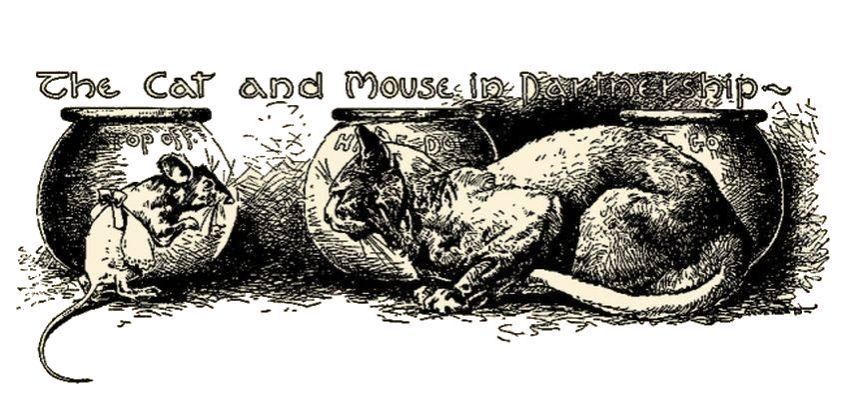
Cat and Mouse in Partnership: German folktale from the Brothers GrimmThis folktale is about a greedy cat that cheats a trusting friend. A cat and mouse decide to live together. They discover a pot of ‘fat’ (probably dripping) and hide it in a safe place so they will have something to eat over winter. Unfortunately, the cat cannot stop thinking about the pot and empties it well before time. In most folktales, something bad would happen to the cat to teach it a lesson. Not so here! When the mouse complains, the cat does what cats normally do. The moral: You can’t change the natural ways of the world.
Continue ReadingCat and Mouse in Partnership

The Thakur’s Well / Thakur Ka Kuan

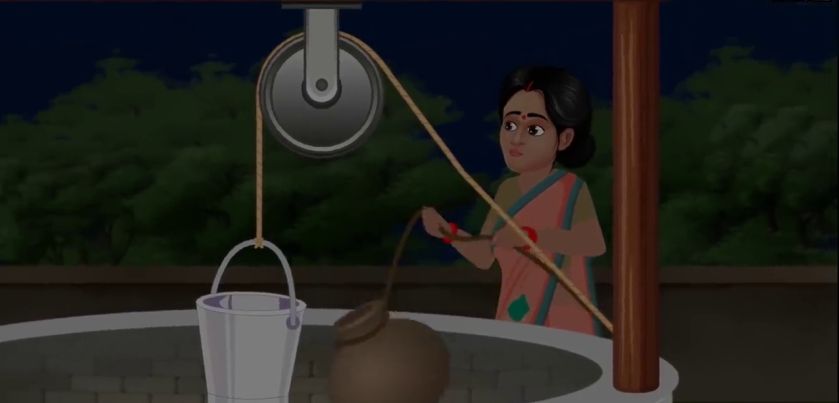
The Thakur’s Well / Thakur Ka Kuan: Short story by PremchandThis poignant story by Premchand highlights the degrading treatment of Dalits (untouchables) under India’s caste system. A woman brings water for her sick husband from the only well in the village available to Dalits. It is contaminated and has a foul smell. She doesn’t know that boiling will purify the water, and decides that her only option is to risk a severe beating by secretly drawing water from the well of a Thakur (high-caste villager), who forbids lower-caste villagers from using it. Themes include social class, discrimination, poverty, courage, gender roles, corruption of the upper classes.

Continue ReadingThe Thakur’s Well / Thakur Ka Kuan

Miss Brill

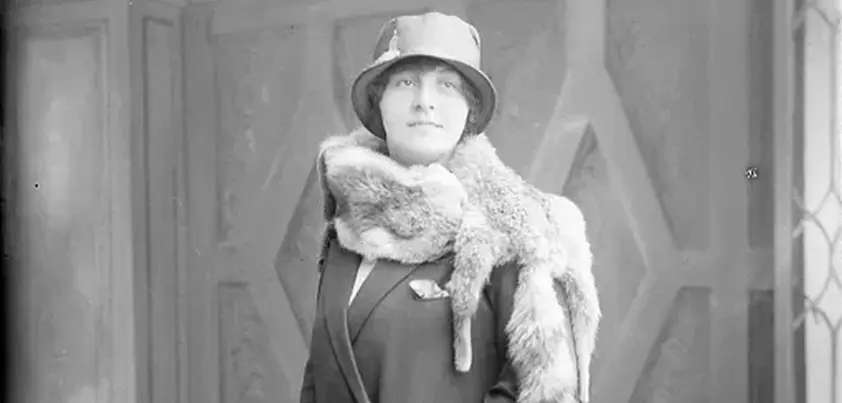
Miss Brill: Short story by Katherine MansfieldKatherine Mansfield’s Miss Brill is a lonely middle-aged woman for whom the highlight of the week is a Sunday visit to a city park. She occupies herself by eavesdropping on strangers who share her “special” bench, listening to the brass band, and people watching. On this day, she is wearing a favorite fur stole (scarf) and imagines that the park is a huge theatre performance in which she is a central character. The dream is shattered and her day ruined when she overhears some unkind words from her imaginary heroes. Themes: reclusiveness, loneliness, habit, aging, fantasy vs. reality, disillusionment, retreat.

Continue ReadingMiss Brill

Mrs. Dutta Writes a Letter

Mrs. Dutta Writes a Letter: Novelette by Chitra Banerjee DivakaruniThe major theme of this story by Chitra Banerjee Divakaruni is cultural conflict: the problems that can occur when people from countries with highly developed religious and cultural norms (in this case India) immigrate to the West. Widowed Mrs Dutti’s attempts to integrate with her son’s Americanized family cause problems on both sides. Fortunately, she finds the courage to admit she will be much happier back home. Tellingly, as the only Indian family in the neighbourhood, her son and daughter-in-law share her fear of not “fitting in”. Other themes include generational differences, gender roles, family loyalty, pride, courage and happiness.

Continue ReadingMrs. Dutta Writes a Letter

First Love

First Love: Short story by Samuel BeckettMany readers have difficulty with Samuel Beckett’s post-World War 2 stories such as this one because of their stream-of-consciousness narrative approach. In this darkly comic dramatic monologue a reclusive, indolent man recalls how, after being evicted from the family home following his father’s death, he became infatuated with a prostitute he met on a canal-side bench. The more he tried to break away the closer they became until, after moving into her apartment, she gave him cause to leave her for good… a baby. Themes include misanthrope, self-obsession, love, misogyny, sexuality, the emptiness and futility of life.

Continue ReadingFirst Love

The Daring Young Man on the Flying Trapeze

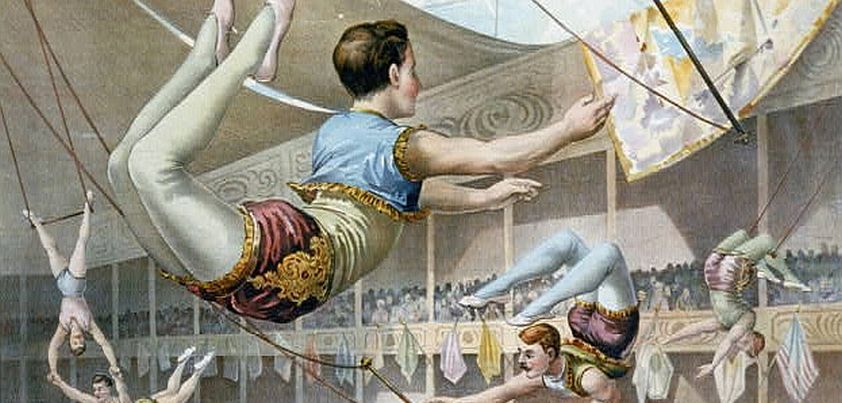
The Daring Young Man on the Flying Trapeze: Short story by William SaroyanSet in San Francisco during the Great Depression, this story by William Saroyan describes the final day of a young aspiring writer dying of starvation. His creative inspiration comes from dreams, and the story begins with a stream-of-consciousness list of places, people and scenes he has dreamed about but never encountered. Weak with hunger, he spends the day desperately looking for work. Unsuccessful, he tries to write An Application for Permission to Live. Too weak to complete it, he returns home and surrenders himself to a final dream. Themes include poverty, artistic struggle, pride, alienation, despair, existentialism, sleep and dreams.

Continue ReadingThe Daring Young Man on the Flying Trapeze