The Star-Child

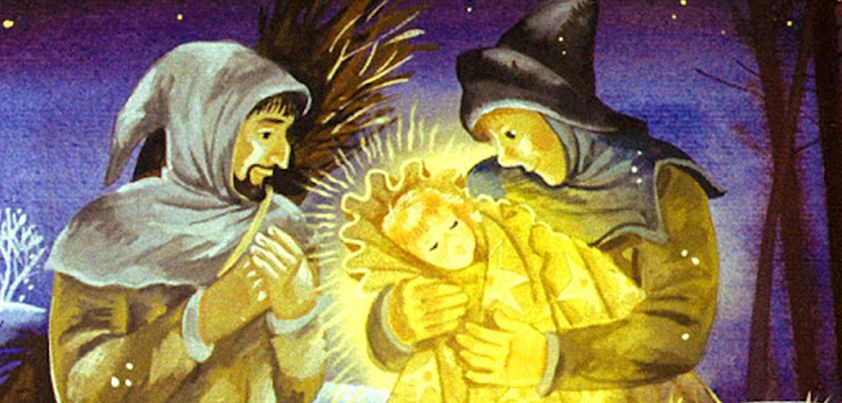
The Star-Child: Short story by Oscar WildeThis fable-like story by Oscar Wilde begins with a baby seemingly falling from the sky. His life-story unfolds through themes of poverty, social class, narcissism, cruelty, karma, loss, repentance and redemption. Finally, as lord of a great city, he rules with justice and mercy to all. In the last paragraph, the story takes an unexpected and some say disappointing turn. He dies three years later, and his successor rules evilly. Interpretations of this depressing denouement include the futility of one man trying to change the way of the world, and the benefits of democracy over autocratic rule.

Continue ReadingThe Star-Child

The Cop and the Anthem

The Cop and the Anthem: Short story by O. HenryWritten in 1904, the major theme of this story by O. Henry (the plight of the homeless) is perhaps even more relevant today. A homeless man who lives on the streets in the warmer months tries in vain to commit a petty crime so he can spend the winter in prison. After trying every trick he knows to get arrested, he stops outside a church. The ambience and stirring music being played bring about an epiphany, thoughts of reform … and jail. Other themes include social class, crime and punishment, resilience, poverty mindset vs. ambition and hope.

Continue ReadingThe Cop and the Anthem

Sunbird

Sunbird: Short story by Neil GaimanOnce you get used to the preposterous names and characters, this Neil Gaiman story is a fascinating read. The five members of an exclusive club dedicated to tasting exotic food travel to Suntown in Cairo to capture and eat a rare Sunbird. They kill and cook the bird (which turns out to be a phoenix), and thoroughly enjoy the meal. Unfortunately, for all but one of them, it is their last. Themes include gluttony, exploitation (of vulnerable species), deception, the danger of seeking pleasure from the unknown, transformation and the enduring cycle of life, the supernatural.

Continue ReadingSunbird

Mechanopolis

Mechanopolis: Short story by Miguel de UnamunoIn this story by Miguel De Unamuno, a man dying of thirst in a desert is saved when he stumbles upon an oasis in which there is a mysterious train station. He boards a seemingly empty waiting train and is whisked off to a magnificent, deserted, fully functioning city of the future. The city’s machines and infrastructure continue to operate with no apparent human involvement. His curiosity turns to horror when he realizes the machines are sentient and concerned about his psychological and emotional state. Themes include human extinction, the ascendency of sentient machines, loneliness, paranoia, mental instability.

Continue ReadingMechanopolis

Soldier’s Home

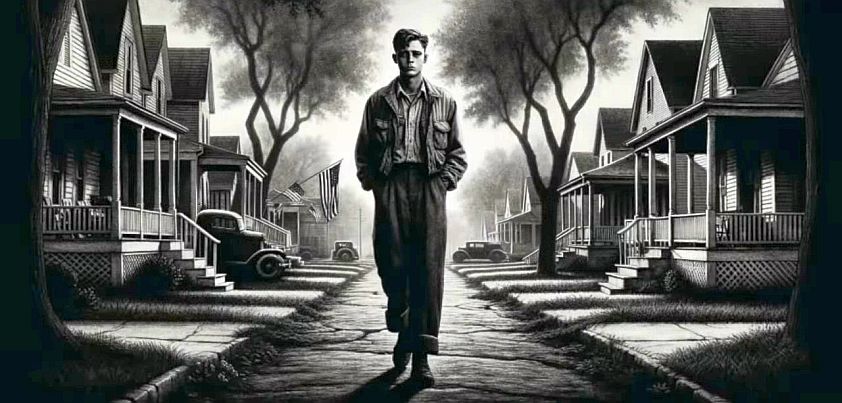
Soldier's Home: Short story by Ernest HemingwayThis story by Ernest Hemingway about an American soldier’s difficulty “fitting in” after returning from World War 1 is a wonderful example of the author’s Iceberg Theory, with much of the protagonist’s background hidden from readers. Upon return, the soldier finds himself alienated from his culture, community, friends, and family. He falls into depression and lethargy, obsessed with watching local girls go by, but avoiding contact with them. This may be due to an earlier failed relationship, or his distaste for his pious, controlling mother. Themes include PTSD, alienation, cultural and social change, fear of involvement and commitment.

Continue ReadingSoldier’s Home

The Prince Who Wasn’t Hungry

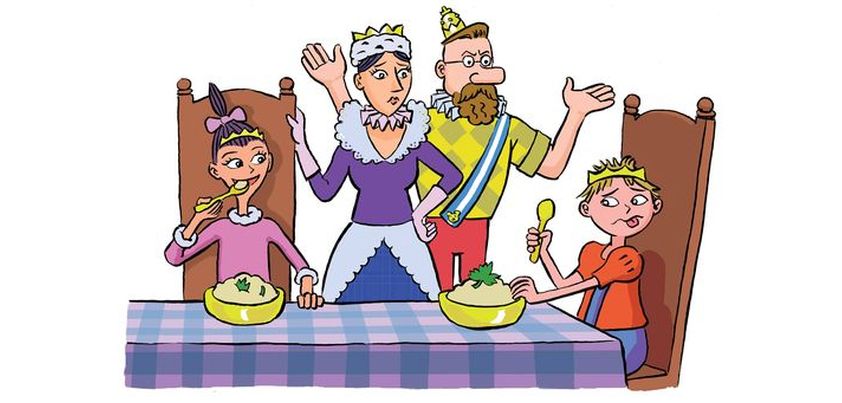
The Prince Who Wasn’t Hungry: Short story by Carolyn Sherwin BaileyThe message of this story by Carolyn Sherwin Bailey can be found in the very first line: Once upon a time there was a little Prince who had very little to do, and so he thought a great deal about eating. As he grew up, the whole palace had to work hard to meet his demand for increasingly rare dishes. Nothing satisfied him, and eventually he stopped eating. In frustration, he set out alone one day to find the best food in the world. He discovered that it isn’t the food that counts, but what you do to earn it.

Continue ReadingThe Prince Who Wasn’t Hungry

The Greatest Gift

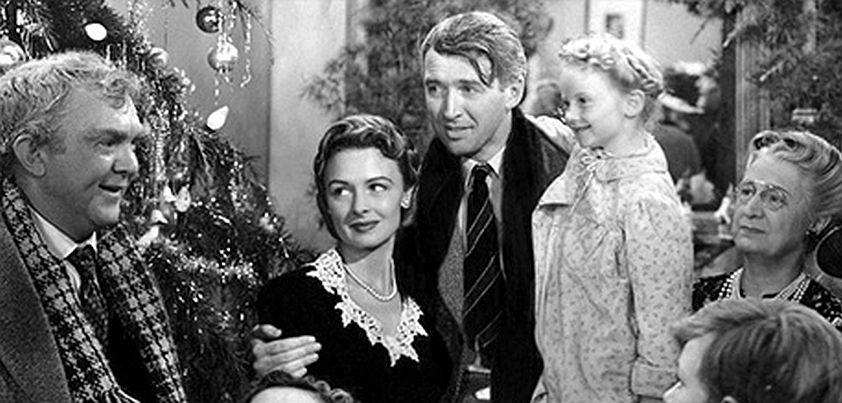
The Greatest Gift: Short story by Philip Van Doren SternThis story by Philip Van Doren Stern was the inspiration for the classic Christmas movie It’s a Wonderful Life. A depressed man standing on a bridge contemplating suicide confides to a stranger who joins him that he wishes he had never been born. His wish is mysteriously granted and he learns that, without his existence, his loved ones and the whole community would have suffered greatly. As he begs to be returned to his old self, he learns that God’s greatest gift of all is the gift of life. The major theme: every life has meaning and value.

Continue ReadingThe Greatest Gift

The Address

The Address: Short story by Marga MincoMajor themes of this story by Marga Minco are trust, betrayal, connection, and letting go. A young Jewish woman, the only member of her family to survive World War 2, visits a ‘friend’ of her mother’s with whom she had entrusted family valuables for safekeeping during the war. Her purpose is to ‘see, touch and remember’ the items, and perhaps to reclaim some to decorate her small rented room. The woman initially rebuffs her, and when she later returns and is admitted by the woman’s daughter, she sees her family’s prize possessions displayed and in daily use around the house.

Continue ReadingThe Address