The Two Frogs

The Two Frogs: Japanese folktale from Andrew LangThis Japanese folktale teaches some important lessons. Two frogs from different cities set off on a journey, each wanting to visit the other’s city. They meet on a mountaintop halfway and accidentally look back at their own city, thinking it their destination. Deciding that the two cities look the same, they each return home. Possible morals: 1) If you really want to do something, learn all you can about it before you start; and 2) Don’t look for reasons to give up in the middle of something important. They are too easy to find and you may be sorry later.

Continue ReadingThe Two Frogs

The Conversion of the Jews

The Conversion of the Jews: Short story by Philip RothThe message of this satirical story by Philip Roth is applicable to all religions: the need to guard against zealotry. A teenaged Jewish boy is disciplined for suggesting that God could impregnate a woman without intercourse. He wasn’t questioning the Jewish belief that Jesus was a man, but rather asserting the power of God to do so. After being slapped for questioning his rabbi’s knowledge of God, the boy flees to the synagogue roof and finds a creative way to force the whole community to acknowledge his point of view. Themes include bigotry vs. tolerance, irreverence, search for truth, hypocrisy.

Continue ReadingThe Conversion of the Jews

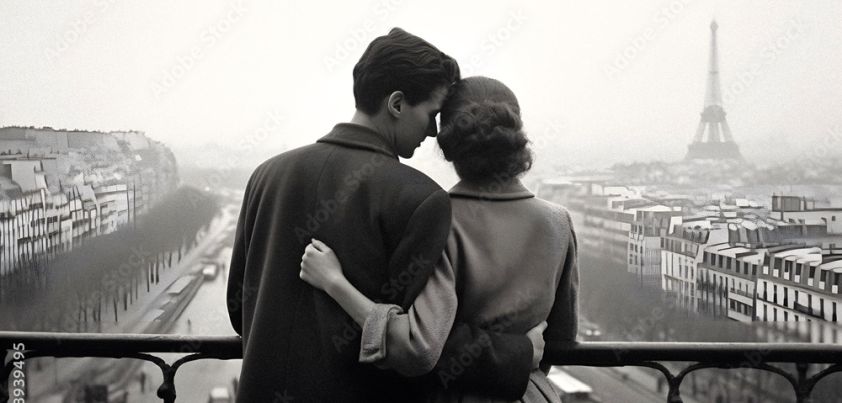
In Paris

In Paris: Short story by Ivan BuninIn this story by Ivan Bunin, a well-to-do, middle-aged Russian exile becomes “animated” for the first time in years when he encounters a sophisticated Russian waitress in a Paris restaurant. Both live in isolation and solitude, having fled their homeland for supporting the wrong side in the Russian Civil War. A date at the cinema predictably leads to a steamy romance. The woman moves in with the man, but it is not until the tragic final paragraph that readers can appreciate how much she loved him. Themes include loss, isolation and loneliness, sexuality, love, mortality, despair, a community in exile.

Continue ReadingIn Paris

The Handsomest Drowned Man in the World

The Handsomest Drowned Man in the World: Short story by Gabriel Garcia MarquezThis story from Gabriel Marquez describes how the body of a huge man washed in from the sea transforms a drab, sleepy fishing village. The body goes through stages of being admired for its power and good looks, pitied for the inconvenience being so large must have caused, given a name, claimed by the village as one of its own, and re-buried at sea with great dignity. The people feel such pride in being associated with the unknown man that their celebrations of his life turn the village into a famous landmark. Themes: myth creation, perceptions and influence of beauty.

Continue ReadingThe Handsomest Drowned Man in the World

Heat

Heat: Short story by Joyce Carol OatesIn this confronting story by Joyce Carol Oates, mischievous eleven-year-old twin girls are brutally murdered by Roger Whipple, a supposedly harmless, mentally challenged man. Major themes are power, cruelty and violent revenge. The twins exercise persuasive power by demanding compliance with their wishes from school friends and cruelly harassing and making fun of Roger. The power theme is emphasized through anecdotes about the girls’ antics and dark humor: We liked it that Rhea and Rhoda had been killed … but we didn’t like it that they were dead; we missed them. In the end revenge, and Roger’s physical power, prevail.

Continue ReadingHeat

Annie’s Day

Annie's Day: Short story by Andy WeirAndy Weir’s Annie is a bad girl who sleeps around and likes to play nasty pranks on people. Whenever she has a free night she sleeps with Paul, whose wife has left him. However, she has two problems with Paul. First, he is a morning person and she is a night owl. He wakes at 6.00am every day while she doesn’t like getting up until 10.00am at the earliest. More importantly, there is a big age difference between them. Her dream, which she achieves in the story, is to sleep with Paul’s sixteen-year-old son.

Continue ReadingAnnie’s Day

The Serial Garden

The Serial Garden: Short story by Joan AikenJoan Aiken’s Serial Garden is part of a collection of old-style children’s stories about the Armitage family, who seem to think it completely normal as impossible events take place around them. In the story, a picture on a cereal packet leads a young boy to a magical garden that has been inhabited for fifty years by a haughty princess pining for her lost lover. The boy almost manages to reunite the couple, but his mother accidentally dashes his plan at the last minute. Fortunately, the princess now has a dog to keep her company for the next fifty years!

Continue ReadingThe Serial Garden

Rape Fantasies

Rape Fantasies: Short story by Margaret AtwoodThis Margaret Atwood story makes extensive use of irony and dark humor to soften discussion of a serious topic. Set in a bar, the protagonist (Estelle) relates a lunchtime discussion she had with co-workers about rape fantasies. Two of them dream of erotic, romantic encounters, while another remains awkwardly silent. Estelle’s imagined attackers all have a physical or mental impediment requiring her help! Themes include gender stereotypes, vulnerability, complacency, and naivety (as exemplified by Estelle’s belief that having a conversation about rape with a man she meets in a bar will protect her against the real thing!)

Continue ReadingRape Fantasies