Mr Miacca

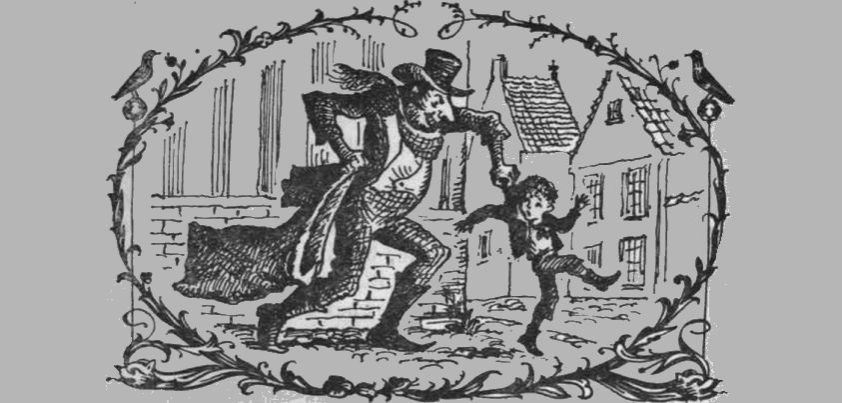
Mr Miacca: English folktale from Joseph JacobsMr. Miacca is an English folktale of the ‘bogeyman’ type, where adults tell stories of imaginary beings to frighten young children into being good. In the story, a boy does something wrong and finds himself about to be cooked for Mr. Miacca’s dinner. He gets away by tricking Mrs. Miacca. The forgetful boy makes the same mistake, and again finds himself on Mr. Miacca’s dinner menu. This time Mr. Miacca watches over the boy himself, and decides to cut off the lad’s leg (which he throws in the cooking pot) to make sure he doesn’t run away.

Continue ReadingMr Miacca

On the Bridge

On the Bridge: Short story by Todd StrasserIn this coming of age story by Todd Strasser, a young teen learns the importance of being himself. As the boy (Seth) and the “cool” friend he looks up to (Adam) stand smoking on a highway bridge, Adam brags about his toughness and experience with older girls. When Adam throws his cigarette onto the windshield of a passing car, the three occupants confront the boys. Adam points to Seth as the culprit, and stands by as Seth is brutally beaten. Seth finally sees Adam for what he is… a boastful fake. Themes include friendship, social acceptance, bravado, betrayal, violence, enlightenment.

Continue ReadingOn the Bridge

Babette’s Feast

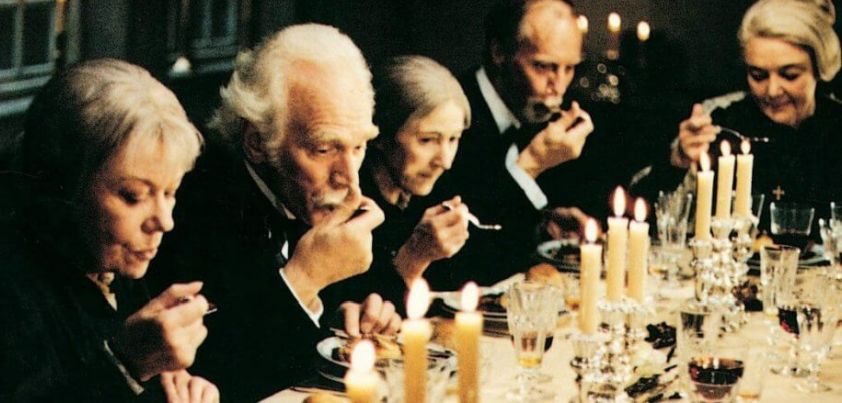
Babette's Feast: Short story by Isak DinesenThe major theme of this story by Isak Dinesen (aka Karen Blixen) is the transformative power of food. The lives of two aging Danish sisters, eight members of a dying religious sect, and a disillusioned French army general change when the sister’s maid, a refugee French revolutionary, wins the lottery and uses her winnings to prepare them a special meal. The meal brings the diners grace, forgiveness and the understanding that it is not sinful to enjoy life’s pleasures. The maid experiences a reinvigoration of her creative genius. Other themes include religious devotion, love, art and artistry, frugality, sacrifice, redemption.

Continue ReadingBabette’s Feast

The Moonlit Road

The Moonlit Road: Short story by Ambrose BierceIn this famous gothic horror story by Ambrose Bierce, a rich man has a loving wife who he does not trust. He sets a trap that doesn’t go as planned, resulting in him accidentally killing her. The unfortunate woman’s ghost, which is unaware who killed her, tries to contact him. This sets off a chain of events that ruins the lives of both the rich man and their only son. We hear the story from three perspectives: those of the son, a man we assume to be the husband/killer, and the ghost herself as told through a medium.

Continue ReadingThe Moonlit Road

In the Penal Colony

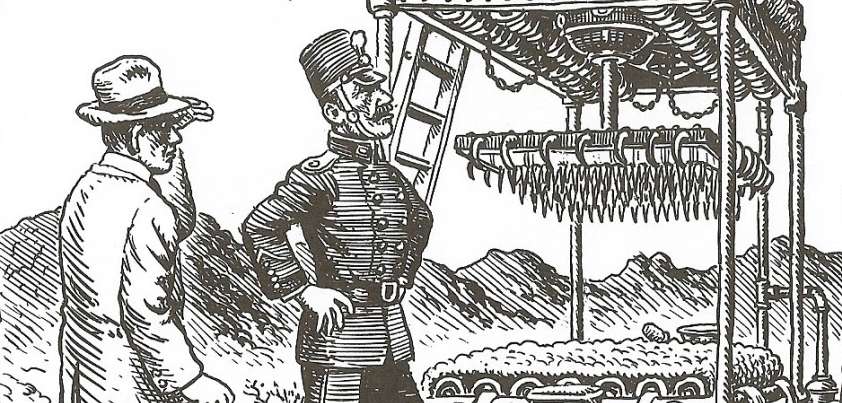
In the Penal Colony: Novelette by Franz KafkaThis Franz Kafka story is a study on what can happen when you put a psychopath in charge of a process (or country) in which they have unfettered power and can make decisions over life and death with impunity. The story deals with some heavy themes: justice, due process, capital punishment, torture, sadistic voyeurism, and the difficulty of institutional change (even if for the good!). Central to all this is the “machine”, which seems to know that its time has come and chooses to self-destruct along with the only person left who cares about it.

Continue ReadingIn the Penal Colony

Sleeping

Sleeping: Short story by Katharine WeberIn this story by Katharine Weber, a young girl is hired by a couple she has never met before to baby-sit while they go to the movies. They tell her the baby is a very sound sleeper and won’t need to be fed or changed. In addition, that she mustn’t open the door because it squeaks and will wake the baby. As the evening wears on, she becomes curious. She listens at the door and hears nothing. She gently tries the door but it seems locked. When the father drives her home, he asks a question that explains the mystery.

Continue ReadingSleeping

Seven Floors

Seven Floors: Short story by Dino BuzzatiDino Buzzati’s Seven Floors is an allegory of both the stages of life, and the futility of trying to fight bureaucracy. A slightly ill patient enters a ward on the top floor of a seven-story sanatorium. He learns that more seriously ill patients are progressively moved to lower floors, with the dying relegated to the dreaded first floor. Once caught up in the system, and against his perception of the severity of his illness, he makes the slow, inexorable progression to the bottom. Themes include the inevitability of ageing and death, institutional inflexibility, the unpredictability of life, fear.

Continue ReadingSeven Floors

The Sphinx without a Secret

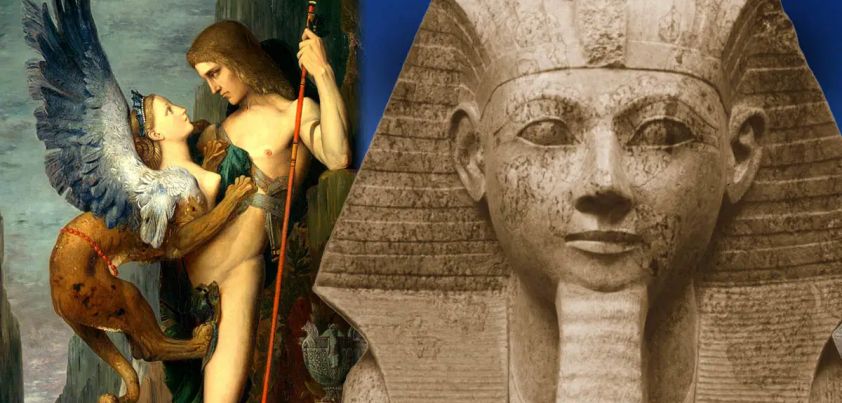
The Sphinx without a Secret: Short story by Oscar WildeIn this story by Oscar Wilde, two old college friends discuss a mysterious woman one of them had fallen in love with. The relationship ended when she refused to reveal the secret behind her apparent paranoia about being contacted at home and a clandestine visit to a boarding house. The major themes of the story are love and trust, as evidenced by the narrator’s initial comment: women are meant to be loved, not be understood and his friend’s retort: I cannot love where I cannot trust. Other themes include the allure of mystery, obsession, insecurity, jealousy, privacy, escape.

Continue ReadingThe Sphinx without a Secret