
We Are All One
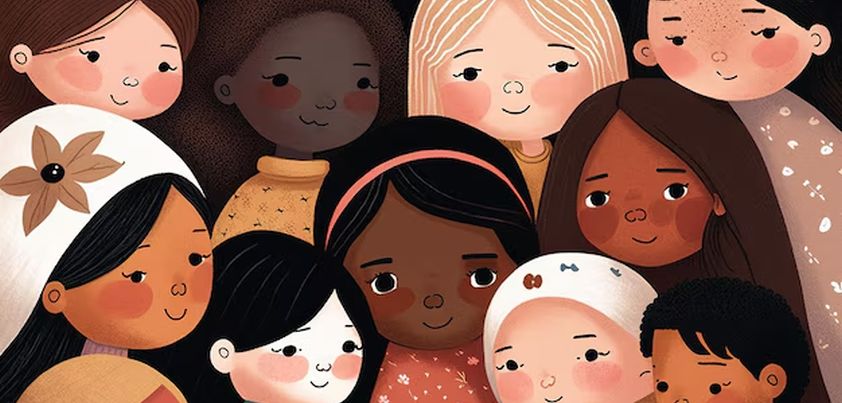 In this Chinese folktale retold by Laurence Yep, a rich merchant offers a large reward to anyone who can cure his painful eye disease. A poor candy peddler walks deep into a forest in search of a magical herb his mother had told him about. With help from a magical centipede and thousands of ants he becomes “One” with, he returns home with something better, earns the reward and lives happily ever after. The titular theme, that we are all one, conveyed an important social message to early Chinese immigrants in America.
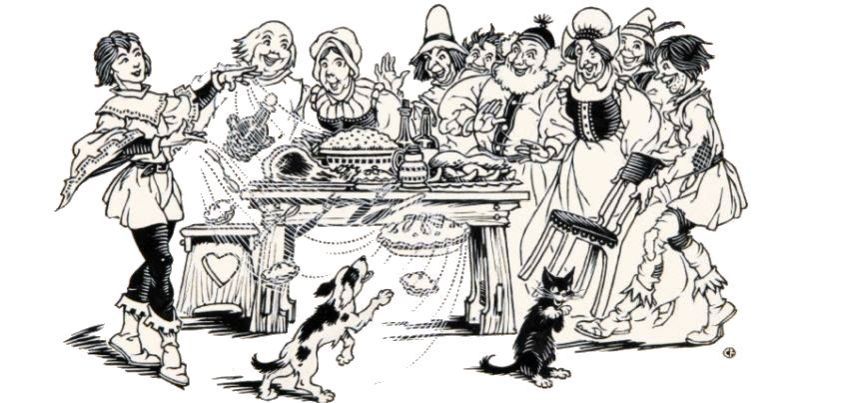 In this English folktale, a young man works for a year and earns a magic donkey. An innkeeper tricks him out of it, so he works for another year and earns a magic table. The same innkeeper tricks him out of this. For his next job, the boy earns a magic stick. This helps the young man get his donkey and table back, as well as to marry his true love. Unfortunately, in winning the girl the young man shows a side of his personality that will make readers wonder if he really deserved all the magical help!
 As indicated in our comments on the famous children’s story
 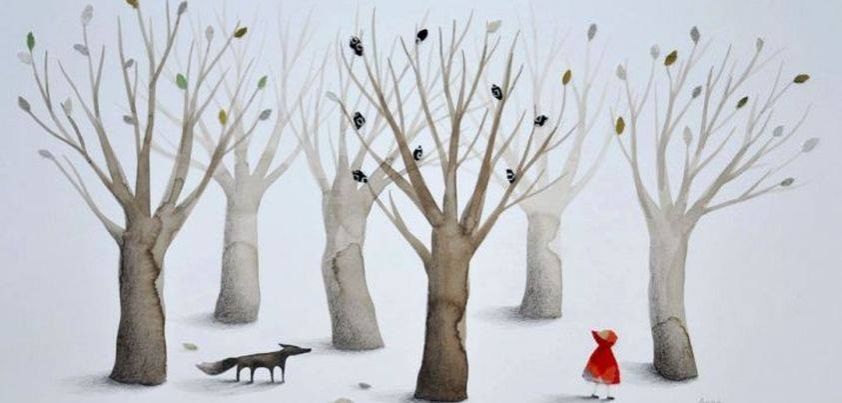 This time last year we featured
  In this Romanian folktale, a rich man thinks how terrible it would be to die and have to leave all of his money behind. He sets out to find a land where people do not die. Finally, he comes across a country where the word death is unknown. Instead of dying, people simply follow a strange voice and never return. The rich man is sure that he is strong enough to resist the voice. He moves there with his wife and family, only to learn the truth of the English idiom: Nothing is certain in life but death and taxes.
 This folktale from Southern Thailand is about a man who was so big when he was born that his parents named him Nai Raeng (in Thai ‘raeng’ means strength, energy or power). The boy eats so much that his poor parents cannot feed him. They get him a job as a sailor, but the captain also cannot feed him. As Nai Raeng grows, he proves to be so wise that he gets a high government job. He is also very honourable, and one day must order that his own head be cut off and placed above a buried treasure.
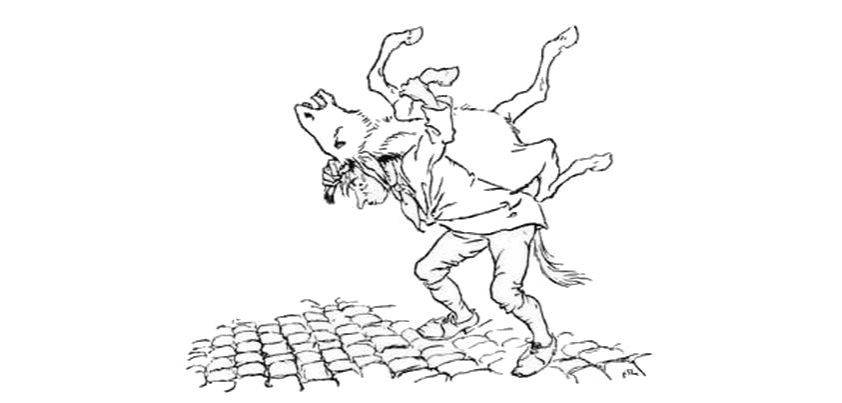 This English folktale is about a boy who isn’t very bright and doesn’t like the idea of work. However, thanks to following the advice of his mother, he marries a rich girl and, one imagines, never has to work again. Possible morals? For children: Always do what your parents tell you and you’ll have a good life. For parents: Teach your children the value of hard work so they can take care of you in your old age. For the rich girl: Sometimes laughter is the best medicine. For the rich girl’s father: Be careful of what you wish for!
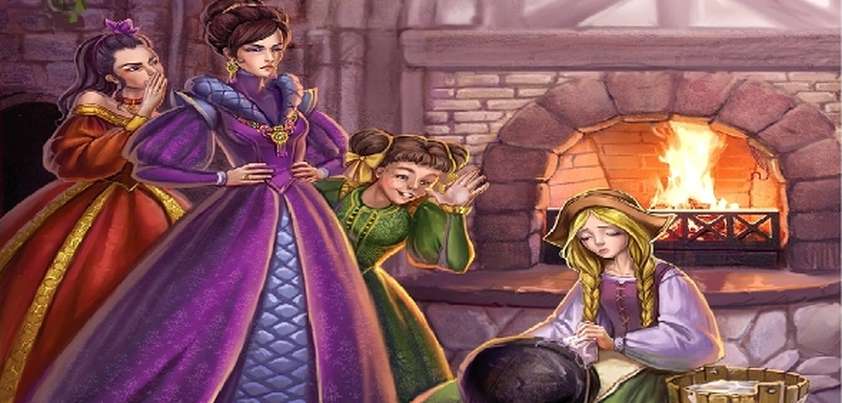 Cinderella, perhaps the world’s best-known children’s story, has its origins in folklore. The version immortalized by Disney was first published in