Patriotism

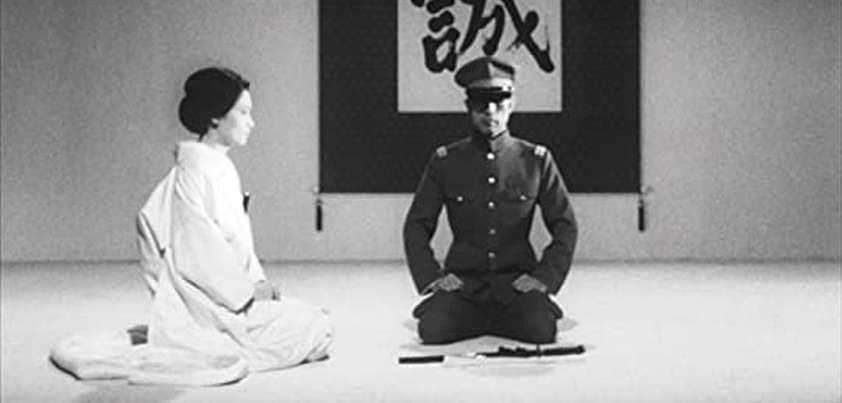
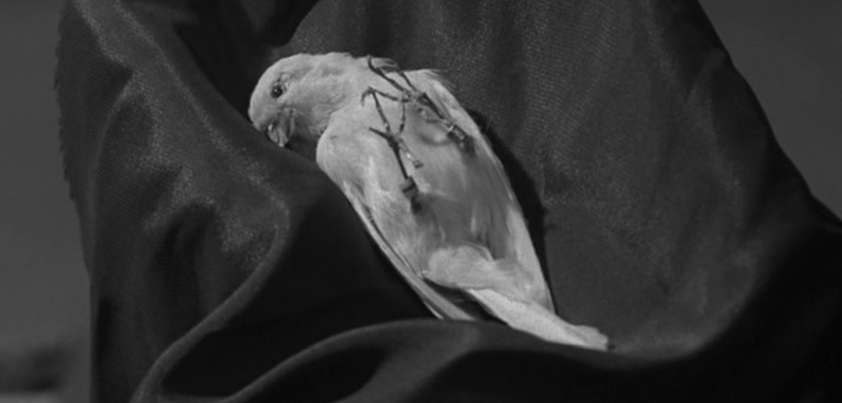
Patriotism: Short story by Yukio MishimaThis gut-wrenching tale from Yukio Mishima deals with traditional Japanese perceptions of duty, honor, love and ritual suicide. Regarded as one of the most powerful stories of the twentieth century, it is beautifully (almost lovingly) written and does not spare the easily offended or queasy reader. The lovemaking scenes are tastefully erotic, and the description of Lieutenant Shinji’s seppuku (harakiri) is gruesome in its detail. A major theme is loyalty: to one’s country (Emperor), friends, family honor, and spouse. Another is beauty: of youth, of love, of life and (perhaps difficult for many Westerners to understand) of an honorable death.

Continue ReadingPatriotism

A Jury of Her Peers

A Jury of Her Peers: Short story by Susan GlaspellThe three dominant themes of this story by Susan Glaspell are feminism (gender roles), deception and justice. Men investigating a farmer’s murder bring two of their wives to the scene of the crime (his farmhouse) to collect clothing, etc. for the suspect (the farmer’s wife) while in jail. Ironically, although the men mock the women’s ability to contribute to the investigation, the wives find evidence that would convict the suspect. They then face a moral dilemma. A jury of men would not understand the suspect’s suffering. Would justice be served by proving her guilt?
Continue ReadingA Jury of Her Peers

The Red-Headed League

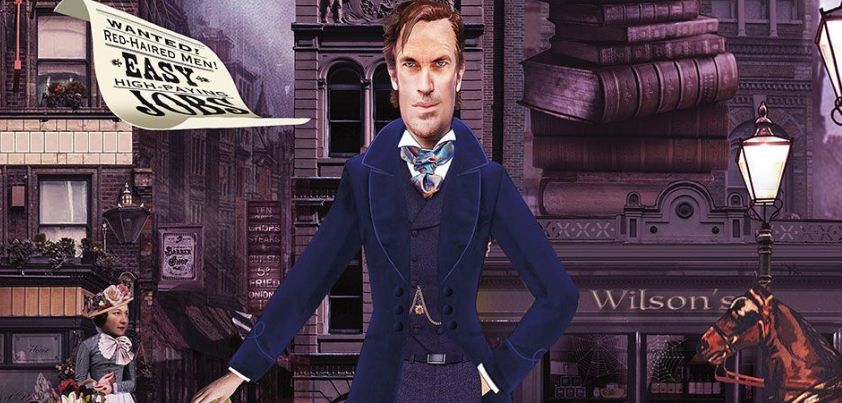
The Red-Headed League: Short story by Arthur Conan DoyleA common theme in most detective stories is superior observation skills and deductive reasoning. A defining feature of Arthur Conan Doyle’s Red-Headed League is the way the facts presented by the gullible Wilson appear so bizarre to Watson as to defy interpretation. This prompts Holmes’s to quip: Omne ignotum pro magnifico [we exaggerate the importance of the unknown]. Once he dismisses the Red-Headed League as a distraction, identifying the crime in progress becomes a straightforward matter for the great detective. Other themes include deception (appearance vs. reality), gullibility, greed (of both the criminals and Wilson), crime and justice.

Continue ReadingThe Red-Headed League

The Country Husband

The Country Husband: Short story by John CheeverRather than wide-open spaces far from a city, John Cheever’s “country husband” lives on a large block in an upper-class New England suburb. A near-death experience results in a growing awareness of the shortcomings of his way of life. He becomes more demanding and impulsive, leading to a dangerous infatuation with an underage teen, out-of-character behavior that causes his family to become social outcasts, and an argument that almost destroys his marriage. A psychiatrist has an innovative solution. Themes: appearances vs. reality, conformity, isolation, loneliness, lack of fulfillment, materialism, marriage (gender roles/domesticity, lack of communication/intimacy,), sexual fantasy.
Continue ReadingThe Country Husband

Fever

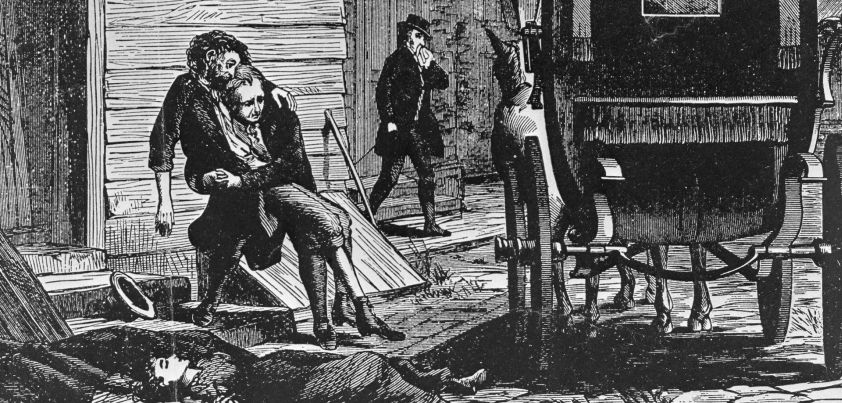
Fever: Short Story by John Edgar WidemanA cursory first reading of this story often leaves students confused. John Wideman’s innovative style involves multiple voices, some of which are not even identified, and randomly traveling both backwards and forwards in time. The grim narrative is prefaced as a tribute to the people (mostly free African-Americans) who heroically nursed the sick and buried the dead during the Philadelphia yellow fever epidemic of 1793. The fever serves as a metaphor for the effects of the story’s main themes (prejudice and racism), which can potentially destroy both victims and perpetrators. Other themes: slavery, fear, suffering, death, despair.
Continue ReadingFever

The Prussian Officer

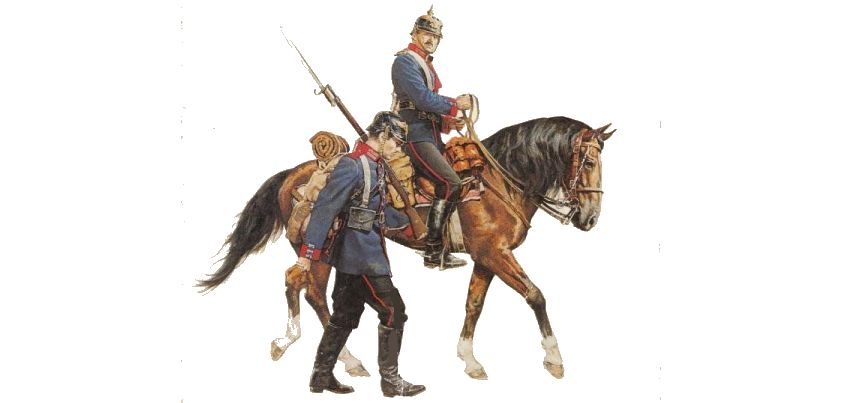
The Prussian Officer: Short story by D. H. LawrenceThe central themes of D. H. Lawrence’s The Prussian Officer are homoerotic attraction and abuse of power. An aristocratic officer becomes envious of and sexually attracted towards his orderly. Drawn by the twenty-two-year-old’s youthful innocence and vigor, the officer denies and tries to repress his feelings. Sensing what is happening, the orderly is cooler than usual towards him. The agitated officer responds cruelly, and the tension between them mounts until reaching a point where the orderly can take no more. Minor themes: (the officer) jealousy, denial, obsession, sadism; (the orderly) duty, loss of innocence, humiliation, isolation, loss of self-control.

Continue ReadingThe Prussian Officer

Flowers for Algernon

Flowers for Algernon: Short story by Daniel KeyesThis touching short story from Daniel Keyes is about a mentally handicapped man who undergoes experimental surgery to enhance his intelligence. The operation’s initial success highlights an interesting aspect of intelligence: the very gifted can be as out of touch with reality and friendless as the intellectually challenged. The story raises an important issue: How far should medical science go in tampering with nature or, as some would say, the will of God? Perhaps the answer lies in Charlie’s ultimate fate, ironically going backwards in intelligence rather than forwards. Other themes include innocence, friendship, compassion, bullying and sacrifice.

Continue ReadingFlowers for Algernon

The Smoothest Way Is Full of Stones

The Smoothest Way Is Full of Stones: Novelette by Julie OrringerThis story by Julie Orringer explores aspects of life and growing up in an American Orthodox Jewish community. Due to her mother’s illness, a teenage Jewish girl raised in a secular environment spends her school holidays living in the Orthodox community of an aunt. Despite community concern that she may be a bad influence on her cousins, she adjusts well to the Orthodox way of life. It is her rebellious, similar-aged cousin, beginning to explore her sexuality, who breaks the community’s strict behavioral rules. Themes include family, protectiveness and distrust, secular vs. Orthodox lifestyles, spiritual awakening, and emerging sexuality.

Continue ReadingThe Smoothest Way Is Full of Stones