Victory Over Japan

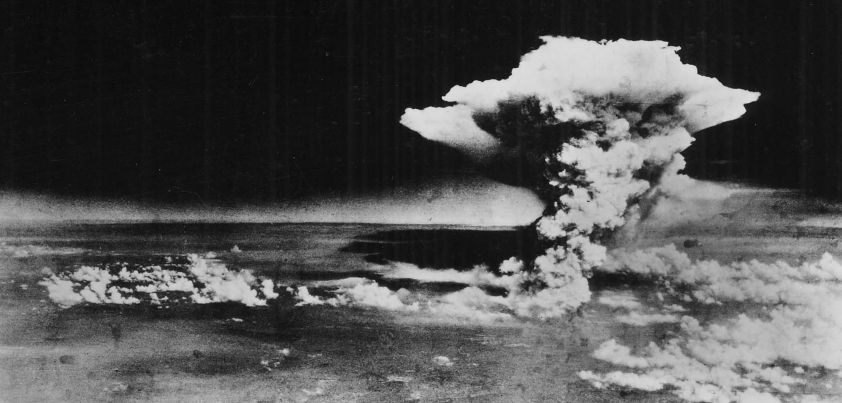
Victory Over Japan: Short story by Ellen GilchristToday we are featuring the trilogy of “Rhoda” stories from Ellen Gilchrist’s short story collection Victory Over Japan. In the titular first story, set in the final days of World War 2, Rhoda is a willful third-grader living in fear of when her disciplinarian father returns home from the war. In the second story, Music, she is a rebellious fourteen-year-old, obsessed with beauty and romance and constantly at war with her father. In the final story, The Lower Garden District Free Gravity Mule Blight or Rhoda, a Fable, she is a lost thirty-four-year-old at a crossroads.
Continue ReadingVictory Over Japan

What Men Live By

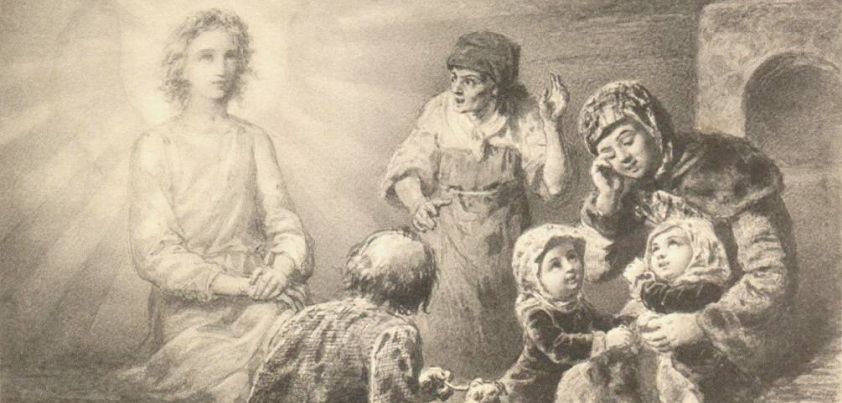
What Men Live By: Short story by Leo TolstoyIn this story by Leo Tolstoy, God punishes a disobedient angel by casting him out of Heaven to live as a man. The only way he can get his job back is to learn the answers these questions: What dwells in man? What is not given to man? and What (do) men live by? He learns the answers from the family of a poor but compassionate shoemaker, an imperious rich man, and a kind, charitable woman who has adopted the two orphaned children of a dead neighbor. Themes: humanity, compassion, kindness, arrogance, duty, death.

Continue ReadingWhat Men Live By

Leaving the Yellow House

Leaving the Yellow House: Short story by Saul BellowIn this depressing but captivating story by Saul Bellow, a seventy-two-year-old woman reviews her life of lost opportunities after an accident threatens her ability to live independently in her off-the-grid Yellow House. A heavy drinker, she is portrayed as irresponsible, selfish, brash and demanding. With no close relatives and the six other eccentric white people in her isolated desert community tolerating rather than befriending her, she has no one to turn to and, more importantly, nobody “good enough” to bequeath her only treasure (the house) to. Themes include poverty, aging and death, identity, self-deception, alienation and isolation, disconnection, alcohol abuse.

Continue ReadingLeaving the Yellow House

Halfway to the Moon

Halfway to the Moon: Short story by Vasily AksyonovIn this story by Vasily Aksyonov (Aksenov), a hard-drinking Russian logging-truck driver is infatuated with a stylish stewardess he meets on a flight to Moscow. He becomes so obsessed with finding her again that he spends his entire winter vacation traveling to and fro on the same flight. Disillusioned over the fruitless search, he has a moral awakening and develops feelings of guilt over a woman he had recently misled. When he does see the stewardess again, he decides to walk away and treasure the memory. Themes include machismo, unrequited love, disillusionment, moral conscience, Western influence on Russian culture.

Continue ReadingHalfway to the Moon

The Learned Adventure of the Dragon’s Head

The Learned Adventure of the Dragon's Head: Novelette by Dorothy SayersLord Peter Wimsey, Dorothy Sayers’s eccentric amateur sleuth, is saddled with his ten-year-old nephew while his parents are away overseas. As the two browse an antiquarian bookshop, the boy is attracted to the maps and pictures in a badly damaged copy of Cosmographia Universalis, an early description of the world. He buys the book, and shortly afterwards a strange man visits and offers Wimsey two hundred times what the boy paid. This leads to a “Boys Own” type adventure involving attempted robbery, Scotland Yard and a riddle leading to buried pirate treasure. Themes include curiosity, greed, mystery, deception, and philanthropy.

Continue ReadingThe Learned Adventure of the Dragon’s Head

A Circle in the Fire

A Circle in the Fire: Novelette by Flannery O'ConnorIn this story by Flannery O’Connor, a self-righteous widow who runs a large farm with an iron hand is visited by three teenage boys. One of them is the son of an ex-employee, ostensibly seeking a horse ride. She refuses the request, but allows them to camp overnight. The next morning, angered by her condescending attitude, the boys do not leave and spend the next two days committing petty acts of vandalism around the farm. A threat to call the sheriff results in her greatest fear: fire. Themes include authoritarianism, pride, fear, false piety, ignorance, resentment, defiance, powerlessness.

Continue ReadingA Circle in the Fire

The Canterville Ghost

The Canterville Ghost: Short story by Oscar WildeOscar Wilde is known for his comedic, usually satirical stories that focus on the shallowness and hypocrisy of the Victorian upper class. He goes several steps further in this playful ghost story, also mocking the brash practicality of wealthy Americans and some of the common devices used in horror and romantic literature. A fascinating aspect of the plot is the way Wilde builds sympathy for his spectral protagonist before revealing the petty reason the cruel man murdered his unfortunate wife. Themes: (general) British vs American culture, tradition, compassion; (the ghost) duty, artistry, suffering, atonement, redemption, peace.

Continue ReadingThe Canterville Ghost

Youth

Youth: Short story by Joseph ConradThis story from Joseph Conrad is more than a survival tale about an unseaworthy ship beset by bad luck. Central themes are youthful exuberance bordering on recklessness, regret for its passing, and the romance of the sea. The explosion that sinks the vessel marks a turning point for a young ship’s officer. Up until then, his enthusiasm had been fueled by a youthful desire to experience the wonders of the East. He discovers a new side of himself (leadership ability) when he temporarily takes command of the crew’s evacuation to the lifeboats. Other themes: courage, duty, misfortune, survival, self-discovery, pride.

Continue ReadingYouth