Life in the Iron-Mills

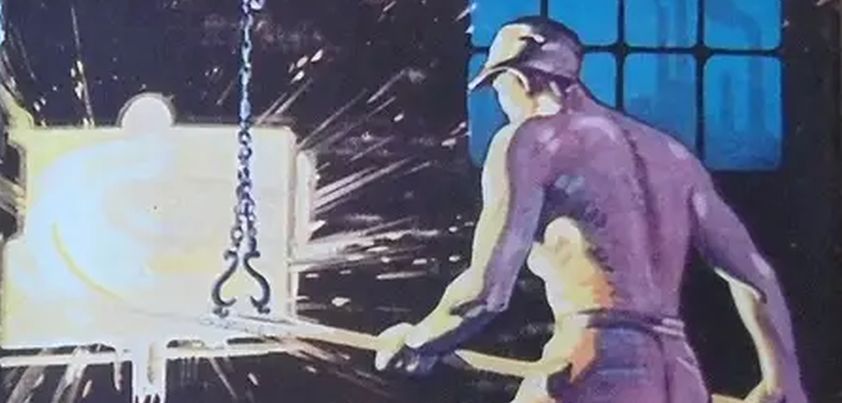
Life in the Iron-Mills: Short story by Rebecca Harding DavisSet in the 1830s, this story by Rebecca Harding Davis highlights the desperate plight of mill and factory workers during the early stages of the industrial revolution. A young furnace attendant, ostracised by other iron-mill workers because of his mild manner and artistic leaning, lives in squalid conditions with his father and a mildly disfigured female cousin. The cousin, whose love for the man is not reciprocated, destroys both of their lives by stealing money to try to help him. Themes include social inequality, exploitation, poverty, artistry, lack of opportunity, unrequited love, crime and punishment, despair, redemption.

Continue ReadingLife in the Iron-Mills

Jeffty is Five

Jeffty is Five: Novelette by Harlan EllisonThis story by Harlan Ellison is said to be an allegory of the power of childlike fantasy. The protagonist’s childhood friend remains “frozen in time”. As those around him age, the boy retains the body and mind of a five-year-old. Things get stranger when the protagonist discovers the boy is also living in the past. He tunes into new episodes of long discontinued radio shows, “sees” old movies when watching modern ones, and receives products from mail-order companies that no longer exist. Themes include childhood, friendship, nostalgia, past vs. present, desperation, the supernatural.

Continue ReadingJeffty is Five

Last Courtesies

Last Courtesies: Short story by Ella LefflandThis story by Ella Leffland contrasts the way the protagonist, a widow in her late fifties, handles life’s challenges with the approaches taken by her dignified, “old-fashioned” aunt and an eccentric, sometimes mentally unstable friend of her aunt who has appointed himself her “protector”. Unable to cope with noisy neighbors and daily problems following the death of her aunt and long-time companion, the woman suffers a nervous breakdown. After an argument with her “protector”, she falls prey to a vicious serial killer. Themes include alienation and isolation, eccentricity, judgement, passivity vs. assertiveness, rudeness vs. civility, fear, violence.

Continue ReadingLast Courtesies

A Scandal in Bohemia

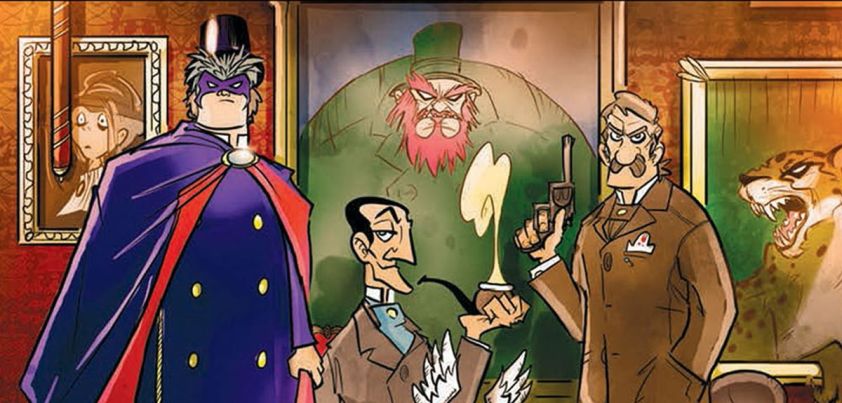
A Scandal in Bohemia: Short story by Arthur Conan DoyleThis is the first of Arthur Conan Doyle’s Sherlock Holmes short stories. The hereditary King of Bohemia hires Holmes to retrieve (steal!) photographic evidence of a scandalous affair. Uncharacteristically, the great detective underestimates the jilted woman and is unable to complete the assignment. Rather than displaying frustration or anger, Holmes is smitten… not with love, but with admiration for her intellect. Themes: philandering, class, sexism, deception, underestimating one’s foe, respect. Some say that Holmes’s esteem for Adler suggests a feminist theme. However, as Watson says, she is the woman; the only one he ever regards so highly.

Continue ReadingA Scandal in Bohemia

The Man from Mars

The Man from Mars: Short story by Margaret AtwoodIn this story by Margaret Atwood a “big-boned”, athletic Canadian university student becomes anxious but gains self-esteem when a creepy-looking “Oriental” student begins to stalk her. The stalking, which largely takes place in plain sight, becomes a game of cat-and-mouse. Other men who have previously shown little interest in her take notice. Wondering what he sees in her, they begin to ask her out. She is not his only victim. When he is deported to his war-torn country, she becomes obsessed with trying to discover his fate. Themes include otherness (alienation and loneliness), beauty standards and self-image, stereotyping, obsession, fear.

Continue ReadingThe Man from Mars

The Minority Report

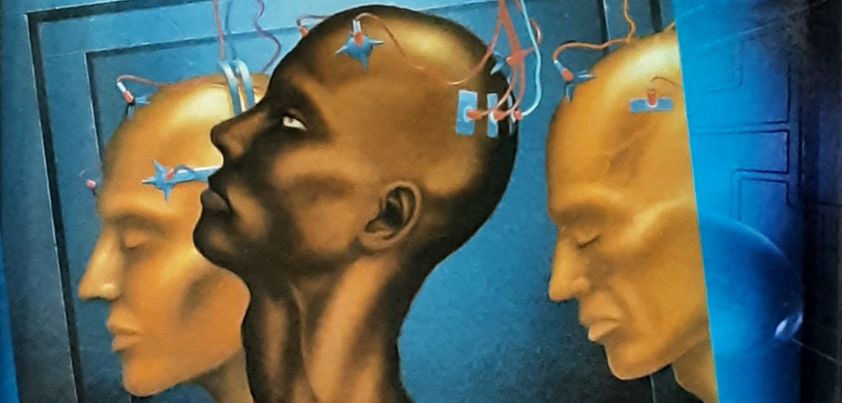
The Minority Report: Short story by Philip DickPhilip Dick’s The Minority Report is a dystopian adventure story set in a society that takes policing a step even further than the infamous “Thought Police” in George Orwell’s Nineteen Eighty-Four. Its premise is that the authorities have found a way to identify a crime and imprison the would-be perpetrator before he or she even thinks of committing it. Their methods in doing this are disturbing to say the least. Themes: (general) free will vs. fate, injustice, trust vs. paranoia, self-fulfilling prophesy, extrajudicial murder; (for the “precogs”) violation of human rights, enslavement, degradation.

Continue ReadingThe Minority Report