You’re Ugly, Too

You're Ugly, Too: Short story by Lorrie MooreLorrie Moore’s protagonist Zoë is a small-town college professor. She is a free-spirited, “almost pretty”, emotionally troubled woman whose efforts to forge relationships without being a “Heidi” have achieved the opposite. Her witty, cynical one-liners have alienated colleagues, students and suitors alike. Central themes are loneliness, the expectations of men, and the role of sex in relationships. An offensive, misogynistic “big city” blind date confirms her misgivings about marriage; a medical scare and consequent thoughts of death bring into focus what she sees as the futility of her life. Other themes: isolation, alienation, appearance, gender roles, mortality, nihilism.

Continue ReadingYou’re Ugly, Too

The Bloody Chamber

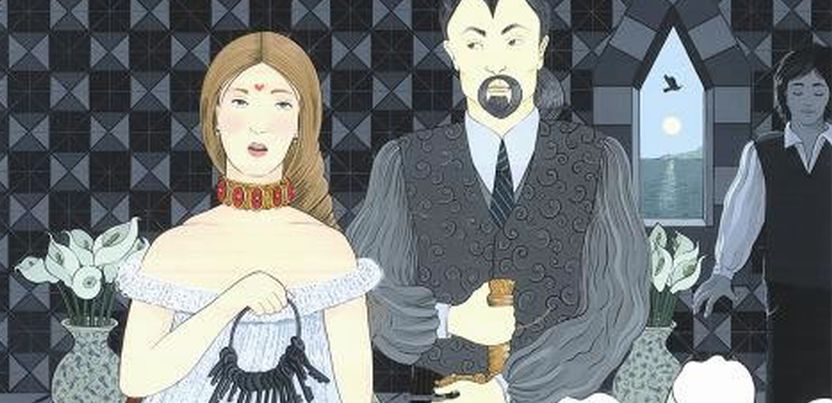
The Bloody Chamber: Short story by Angela CarterIn Angela Carter’s titillating re-telling of Charles Perrault’s Bluebeard, a wealthy, three-times widowed French nobleman marries a seventeen-year-old virtuoso pianist and rushes her away to his secluded castle for a “honeymoon”. When browsing the library, she is shocked to discover his penchant for sadistic pornography. After a passionless consummation that satisfies his desire to have married a virgin, he lays a deadly trap designed to end the marriage. While he is away on business, the woman’s dark newborn curiosity springs the trap, which leads her into his bloody chamber. Themes: manipulation, sexual awakening, depravity, loneliness, curiosity, violence, death.

Continue ReadingThe Bloody Chamber

To Room Nineteen

To Room Nineteen: Short story by Doris LessingOn the surface, Doris Lessing’s protagonist had a perfect life. “Happily” married, financially secure, big house, healthy well-adjusted children, home help; what more could a woman want? The story is a product of its time (the early 1960s). Susan’s anguish about losing her independence and lack of fulfillment in life leads to depression, mental decline, and temporary escape from her demons in Room 19 of a seedy hotel. Too afraid of being ridiculed to confide in her husband and ask for help, she sees only one way out. Themes include loss of autonomy/identity, unsatisfying marriage, depression, communication breakdown, isolation, suicide.

Continue ReadingTo Room Nineteen

Letter From an Unknown Woman

Letter From an Unknown Woman: Short story by Stefan ZweigIn this moving story by Stefan Zweig, a playboy writer receives a letter from a lovesick, dying woman. She has worshipped him all her life, they have had two brief dalliances, and she has borne his son. Yet he has no idea who she is! Until their son was born, he was the sole focus of her life; for him, she didn’t exist. Readers are left with a question. If she loved him so much, why send a letter that may haunt him for the rest of his days? Themes: philandering, obsessive love, sacrifice, passion, suffering, confession, death.

Continue ReadingLetter From an Unknown Woman

Youth

Youth: Short story by Isaac AsimovAs is often the case with Isaac Asimov’s longer science fiction stories, Youth includes some profound “earthly” themes. Written in the early years of the Cold War, the first is the danger that atomic war poses to civilization. The second, which is strongly reinforced by the twist ending, is not to judge sentient beings (people) by their looks, no matter how strange they appear. A final theme, as reflected in the title and the Astronomer’s exasperated final exclamation (Youth!) is the naïve innocence of the young, and the responsibility that we as adults hold for their future.

Continue ReadingYouth

The Hell Screen

The Hell Screen: Short story by Ryunosuke AkutagawaIn Ryūnosuke Akutagawa‘s re-working of this 13th century Japanese tale, a cold-hearted, conceited artist considered to be “the greatest in the land” insists upon personally experiencing the scenes he creates. When commissioned to paint a folding screen with a scene from Hell, he is able to complete all but the central image of a beautiful woman burning alive in a nobleman’s carriage. He asks for help from his Feudal Lord, who agrees to stage the event for him. As the artist watches, his emotions range from horror to ecstasy. Themes: hubris, inhumanity, obsession, inspiration in art, innocence, perception of truth.

Continue ReadingThe Hell Screen

A Silver Dish

A Silver Dish: Short story by Saul BellowThe central theme of this thought-provoking story from Saul Bellow is protagonist Woody’s relationships with his extended family. Although much of his week is spent fulfilling the sense of duty he feels towards them, he also makes time for carnal and other pleasures. A turning point in Woody’s youth was his con-man father (Morris)’s theft of a silver dish. Despite their differences, father and son remained close and Morris’s death affects Woody greatly. In the heart-warming denouement, he proclaims his love by climbing into the dying man’s hospital bed. Other themes: ethnic/religious allegiances, pretentiousness, humiliation, aging, death, duty, self-indulgence, solitude.

Continue ReadingA Silver Dish

Lord Arthur Savile’s Crime

Lord Arthur Savile's Crime: Short story by Oscar WildeThis dark comedy from Oscar Wilde involves a gullible young aristocrat who believes a palm-reader’s prediction that he will commit a murder. Out of consideration for his fiancé, he decides that he should postpone their marriage until he can get the deed out of the way. Convinced that he is merely fulfilling his destiny, the young man feels no guilt in planning and preparing for murder, or indeed remorse afterwards. When he later learns that the palm-reader was a charlatan, he still has no regrets. Themes: the shallowness and hypocrisy of the Victorian upper class, destiny, murder, morals, karma.

Continue ReadingLord Arthur Savile’s Crime