Letter From an Unknown Woman

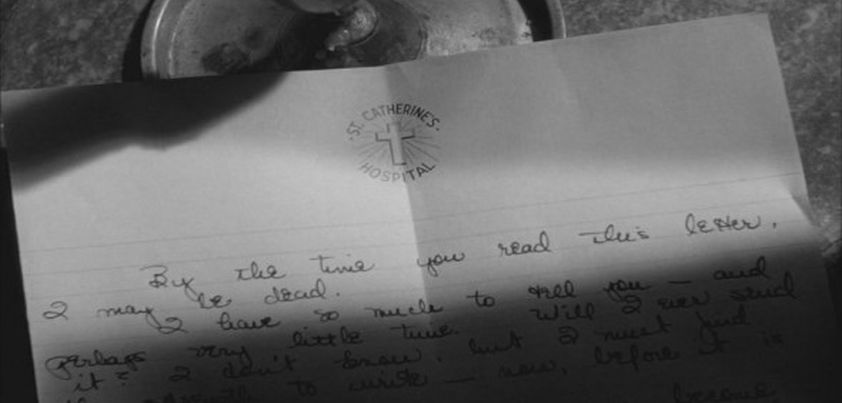
Letter From an Unknown Woman: Short story by Stefan ZweigIn this moving story by Stefan Zweig, a playboy writer receives a letter from a lovesick, dying woman. She has worshipped him all her life, they have had two brief dalliances, and she has borne his son. Yet he has no idea who she is! Until their son was born, he was the sole focus of her life; for him, she didn’t exist. Readers are left with a question. If she loved him so much, why send a letter that may haunt him for the rest of his days? Themes: philandering, obsessive love, sacrifice, passion, suffering, confession, death.
Continue ReadingLetter From an Unknown Woman

Youth

Youth: Short story by Isaac AsimovAs is often the case with Isaac Asimov’s longer science fiction stories, Youth includes some profound “earthly” themes. Written in the early years of the Cold War, the first is the danger that atomic war poses to civilization. The second, which is strongly reinforced by the twist ending, is not to judge sentient beings (people) by their looks, no matter how strange they appear. A final theme, as reflected in the title and the Astronomer’s exasperated final exclamation (Youth!) is the naïve innocence of the young, and the responsibility that we as adults hold for their future.

Continue ReadingYouth

The Hell Screen

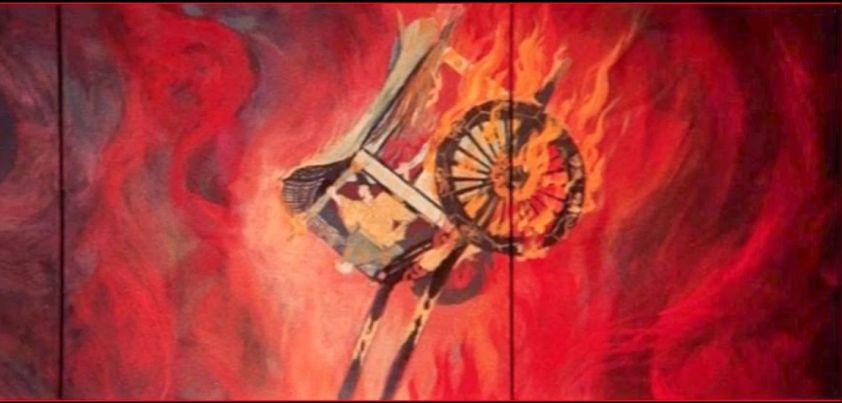
The Hell Screen: Short story by Ryunosuke AkutagawaIn Ryūnosuke Akutagawa‘s re-working of this 13th century Japanese tale, a cold-hearted, conceited artist considered to be “the greatest in the land” insists upon personally experiencing the scenes he creates. When commissioned to paint a folding screen with a scene from Hell, he is able to complete all but the central image of a beautiful woman burning alive in a nobleman’s carriage. He asks for help from his Feudal Lord, who agrees to stage the event for him. As the artist watches, his emotions range from horror to ecstasy. Themes: hubris, inhumanity, obsession, inspiration in art, innocence, perception of truth.

Continue ReadingThe Hell Screen

A Silver Dish

A Silver Dish: Short story by Saul BellowThe central theme of this thought-provoking story from Saul Bellow is protagonist Woody’s relationships with his extended family. Although much of his week is spent fulfilling the sense of duty he feels towards them, he also makes time for carnal and other pleasures. A turning point in Woody’s youth was his con-man father (Morris)’s theft of a silver dish. Despite their differences, father and son remained close and Morris’s death affects Woody greatly. In the heart-warming denouement, he proclaims his love by climbing into the dying man’s hospital bed. Other themes: ethnic/religious allegiances, pretentiousness, humiliation, aging, death, duty, self-indulgence, solitude.
Continue ReadingA Silver Dish

Lord Arthur Savile’s Crime

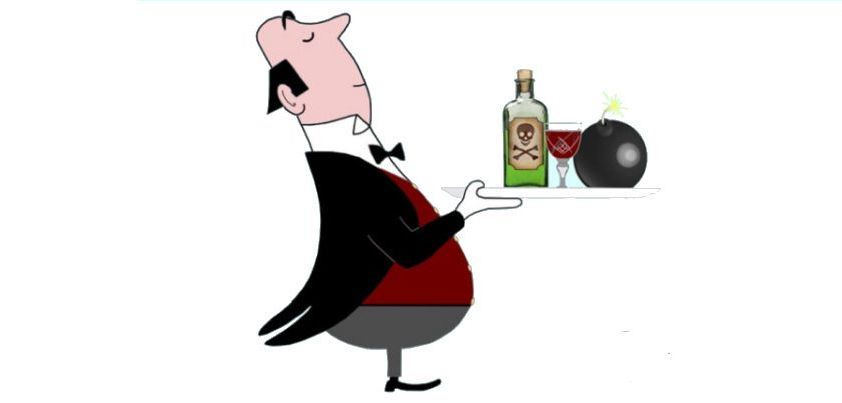
Lord Arthur Savile's Crime: Short story by Oscar WildeThis dark comedy from Oscar Wilde involves a gullible young aristocrat who believes a palm-reader’s prediction that he will commit a murder. Out of consideration for his fiancé, he decides that he should postpone their marriage until he can get the deed out of the way. Convinced that he is merely fulfilling his destiny, the young man feels no guilt in planning and preparing for murder, or indeed remorse afterwards. When he later learns that the palm-reader was a charlatan, he still has no regrets. Themes: the shallowness and hypocrisy of the Victorian upper class, destiny, murder, morals, karma.

Continue ReadingLord Arthur Savile’s Crime

Great Day

Great Day: Short story by David MaloufDavid Malouf’s Great Day takes place over the seventy-second birthday celebration for the patriarch of a large, close-knit Australian family. The story explores some of the differences and tensions between family members, as well as the state of mind of the patriarch. A powerful retired senior public servant with a commanding personality, he is consumed by thoughts of death. Two linked events, the destruction of a family museum and the subsequent moving words of a usually shy, tongue-tied family member bring a sense of peace to the old man and unification to the family. Themes: power, loss, dreams, connection, unification.

Continue ReadingGreat Day

The Encyclopedia of the Dead

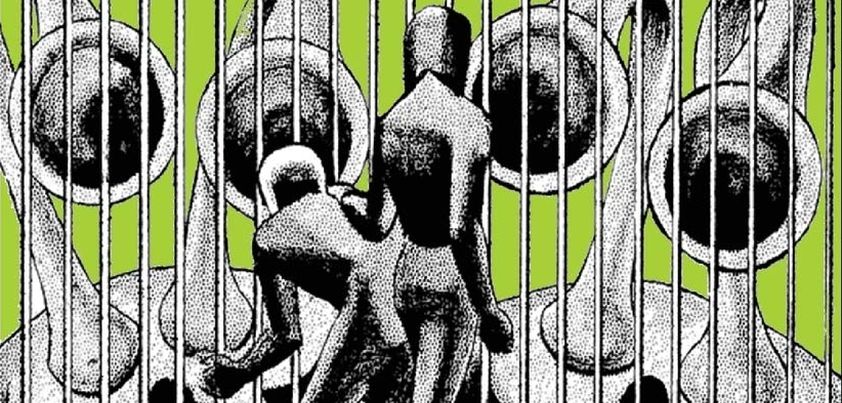
The Encyclopedia of the Dead: Short story by Danilo KišThe legendary Encyclopedia in this story by Danilo Kiš records minute details of the lives of all people not famous enough to have a published biography. Readers encounter two sets of themes: those related to the book, and those arising from the protagonist’s dream about her father’s entry in the book. For the book we have egalitarianism (equality in eternity), individuality (each person is a star unto himself) and singularity (nothing in the history of mankind is ever repeated). For the protagonist’s dream, which ends with a supernatural twist, we have memories, love, aging, and coming to terms with death.

Continue ReadingThe Encyclopedia of the Dead

The Offshore Pirate

The Offshore Pirate: Short story by F. Scott FitzgeraldSeveral F. Scott Fitzgerald stories feature spoiled young women from wealthy families who make a sport of manipulating the men around them. Ardita, the flapper protagonist in this romantic adventure, is one of the rudest, most obnoxious of these. A highlight of the story is Fitzgerald’s powerful descriptive language. A disturbing feature for today’s readers is the use of 1920s social and racial slurs in building Curtis Carlyle’s backstory. Major themes include wealth, egotism, rebellion against authority, escapism, racism and class-consciousness. Despite the closing “illustrative” kiss, one wonders if any relationship with Ardita could have a happily ever after ending.

Continue ReadingThe Offshore Pirate