Leiningen Versus the Ants

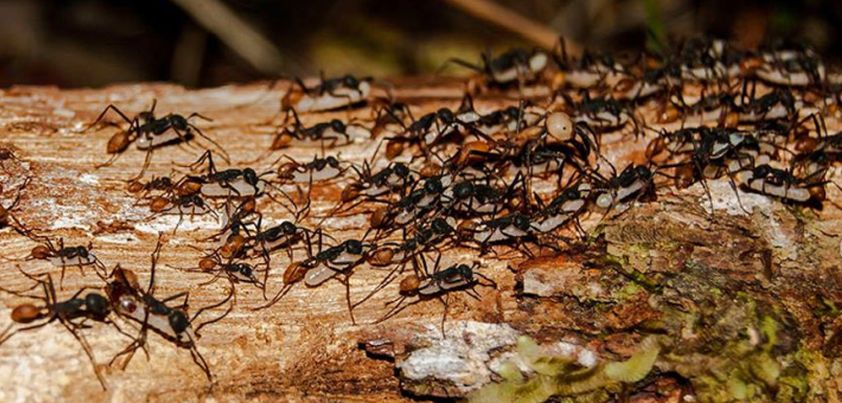
Leiningen Versus the Ants: Short story by Carl StephensonIn today’s story by Carl Stephenson, four hundred men on a Brazilian plantation fight off an army of killer ants. Its major theme is the courage and ingenuity of (European) man against the power of nature. Other themes include the “civilizing” benefits of colonialism, racism (Leiningen is portrayed as a heroic leader, the Indian “peons” primitive and fearful) and misogyny (Critical situations first become crises when oxen or women get excited.) Ironically, despite Leiningen’s boasts about his superior intelligence and faultless preparations (which fail), it is a last-minute idea, which he had previously overlooked, that saves the day.
Continue ReadingLeiningen Versus the Ants

A Shinagawa Monkey / Confessions of a Shinagawa Monkey

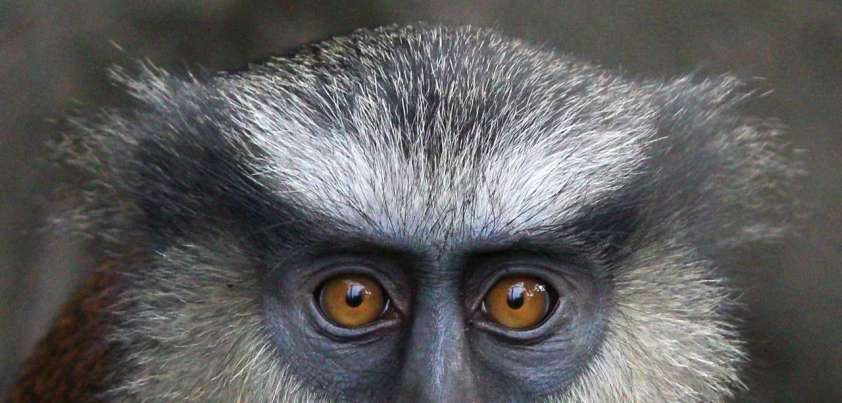
A Shinagawa Monkey / Confessions of a Shinagawa Monkey: Short stories by Haruki MurakamiLast year (2020) Haruki Murakami released Confessions of a Shinagawa Monkey, a sequel to his 2006 story, A Shinagawa Monkey. Both deal with a talking monkey who steals items showing the names of women to whom he is attracted. By concentrating on these, he absorbs aspects of the women’s identity. Although this satisfies the Monkey’s desires towards the women, it causes them to forget their names. The monkey is a symbol for all the lonely, often overlooked people in society whose circumstances make it difficult to find love. Other themes: envy; suicide; confronting and sharing concerns; reaching out for help.

Continue ReadingA Shinagawa Monkey / Confessions of a Shinagawa Monkey

The Cheater’s Guide to Love

The Cheater’s Guide to Love: Short story by Junot DiazIt is hard to like or feel any sympathy for the American-raised Dominican Harvard professor at the centre of this story by Junot Diaz. The serial cheater who slept with fifty other women over the course of their six-year relationship belatedly realizes that the fiancé who dumped him was “the one”. Over the next six years he struggles to deal with the consequences of losing her while facing performance issues at work, debilitating physical conditions, and constant racial taunts and profiling. Themes include love vs. desire, infidelity and its consequences, heartbreak, depression and recovery, self-awareness and redemption, racism.

Continue ReadingThe Cheater’s Guide to Love

Last Evenings on Earth

Last Evenings on Earth: Short story by Roberto BolanoIn this thought-provoking story from Roberto Bolaño, a father and his twenty-two-year-old son go on an ill-fated vacation together. The two men are very different. The father is a sociable truck-driver who likes a good time, usually involving alcohol and women. Although no prude, his son is a broody intellectual who enjoys reading poetry. The holiday appears doomed from the start. Despite some tender moments, a tone of impending disaster builds throughout the story. It is fitting that, when danger finally strikes, father and son face it together. We aren’t told the outcome, because it’s not important to the story.

Continue ReadingLast Evenings on Earth

The Chance

The Chance: Short story by Peter CareyIn this story by Peter Carey, a bitter old man looks back on a time when he desperately tried to prevent his attractive lover from making herself ugly in a genetic lottery known as “The Chance”. The lottery, in which winners could alter their age or body shape, was run by alien invaders. Physical beauty was a social liability at the time and, as a member of a revolutionary movement intent on overthrowing the aliens, she was prepared to sacrifice her looks to remain anonymous. Themes include alcohol and drug abuse, love, chance, perceptions of beauty, courage, sacrifice.

Continue ReadingThe Chance

Hunted Down

Hunted Down: Short story by Charles DickensAlthough the language is that of the mid-Victorian era (occasional archaic vocabulary and long, formal sentences), this witty, detective-style story from Charles Dickens has a climax that would do Agatha Christie proud. The protagonist, a manager in an insurance office, leads us through the rather convoluted tale. With at least one murder and two more on the way, it is not until the end that readers learn that the real “detective” on the killer’s trail is not the protagonist, but one of his intended victims. Themes: first impressions (appearance/body language), deception, murder, justice, love, guilt.
Continue ReadingHunted Down

The Pagan Rabbi

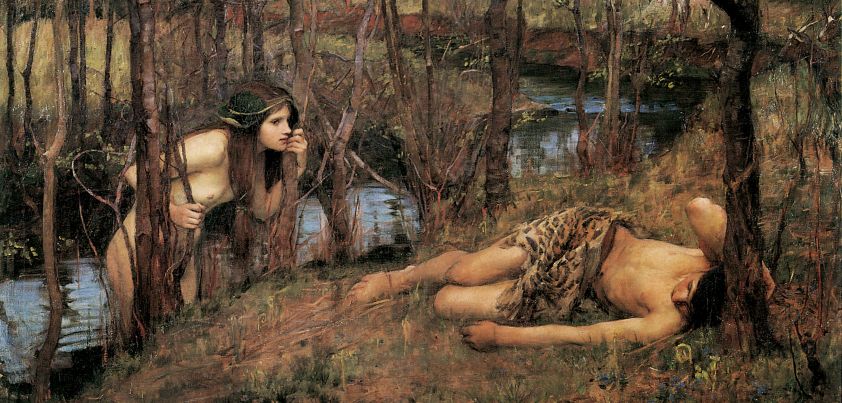
The Pagan Rabbi: Short story by Cynthia OzickThis story from Cynthia Ozick is about a highly respected Jewish scholar who is driven to suicide as he tries to reconcile the strict tenets of his religion with the philosophical (pagan) concept of immortal “free souls” existing in Nature. This so affects the rabbi’s mind that his suicide note refers to several encounters with a dryad (wood nymph). Some of these are sexual, which he clumsily tries to rationalize with: Scripture does not forbid sodomy with the plants! Themes: Jewish identity; marriage and family; friendship; philosophy (search for meaning in Nature); death; sanity/suicide; (lack of) understanding and forgiveness.

Continue ReadingThe Pagan Rabbi

Mrs Plum

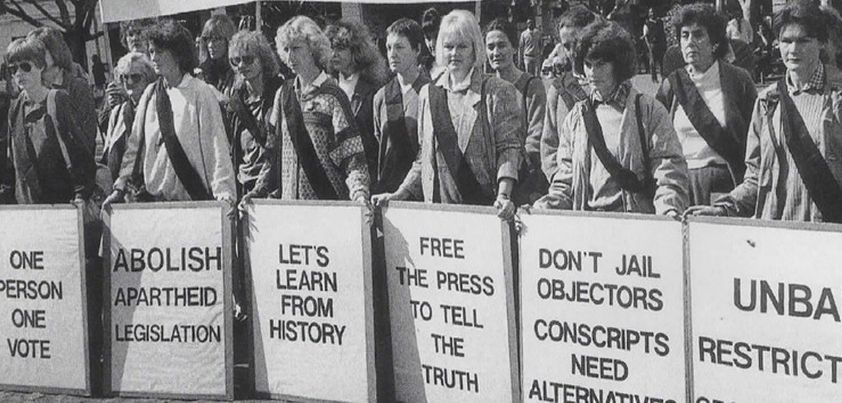
Mrs Plum: Novelette by Es'kia (Ezekiel) MphahleleSet in 1960s Johannesburg, this story by Es’kia (Ezekiel) Mphahlele follows Karabo, a nineteen-year-old house-servant working for the enigmatic Mrs Plum. On the surface, Mrs Plum is an enlightened activist who helps Karabo improve herself and campaigns for better treatment for black South Africans. In naming the story Mrs Plum, Mphahlele hints at its major theme: the hypocrisy of many white liberals under apartheid. Deep down Mrs Plum still harbors racist sentiments, cares little for Karabo as a person, and is prone to perversion. Other themes include racism and civil rights, identity, family, personal growth and development, self-awareness and assertiveness.

Continue ReadingMrs Plum