Daisy Miller: A Study in Two Parts

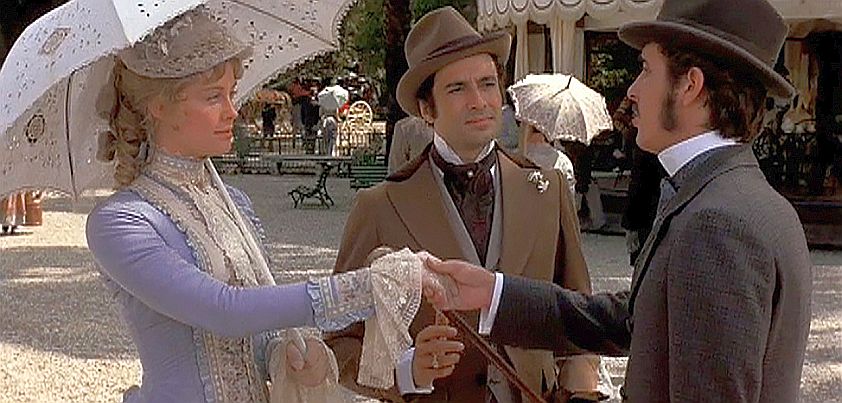
Daisy Miller: A Study in Two Parts: Short story by Henry JamesHenry James’s “Daisy” Miller is a young American socialite traveling through Southern Europe with her mother and younger brother. Flirtatious, independent and free-spirited, she enjoys the competing attentions of several men who she subtly manipulates to do her bidding. Her behaviour, especially going about with men unchaperoned, is scandalous by American expat community standards, resulting in gossip and her ostracization. A question in the mind of a man smitten by Daisy is whether she could possibly be as innocent as she appears. Themes include social conventions (Europe vs. America), gossip, reputation (innocence vs. immorality), double standards (male vs. female independence).
Continue ReadingDaisy Miller: A Study in Two Parts

The Pursuer

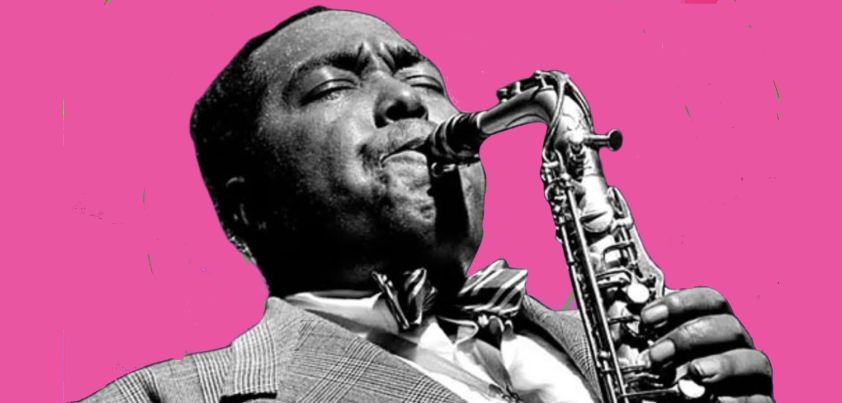
The Pursuer: Short story by Julio CortázarThis story is said to be Julio Cortázar’s first attempt at realism. Although the subject of the story (prodigious jazz musician Johnny Parker) is fictional, the events closely follow the personal life and last months of jazz legend Charlie Parker. Told through the eyes of Johnny’s close friend and biographer, the story not only pays tribute Parker’s extraordinary talent, but also lays bare the demons (mental health problems, heroin addiction, and alcohol abuse) that led to his death at thirty-four. Themes include friendship, mental illness, substance abuse, pursuit in art and life, the nature of time and reality.

Continue ReadingThe Pursuer

Breakfast at Tiffany’s

Breakfast at Tiffany's: Novella by Truman CapoteSet in the early 1940s, this story by Truman Capote explores the relationship between a budding writer and his downstairs neighbour, mysterious New York café society girl Holly (Holiday) Golightly. Holly lives by socializing with, and seeking a husband from among, wealthy men who take her to clubs and restaurants and give her money and expensive gifts. Unfortunately, a side hustle with a jailed mob boss forces a hasty exit from the country, after which she is not seen again. Themes include freedom, independence and privacy, sexuality, manipulation, yearning for wealth, love and happiness.

Continue ReadingBreakfast at Tiffany’s

Carmilla

Carmilla: Novella by Sheridan Le FanuThis 1872 novella by Sheridan Le Fanu was ground-breaking in several ways. It is not only one of the first examples of vampire fiction (pre-dating Bran Stoker’s Dracula by 25 years), but also the first to infer a lesbian element to vampiric attraction. This vampire seems to have a taste for blue blood. Peasant victims die quickly; two young aristocratic women enjoy her seductive company for longer. Could Carmilla have something else in mind for these two, such as spending eternity together? Themes: class differences, patriarchy, the supernatural, female sexuality, life and death.

Continue ReadingCarmilla

Animal Farm

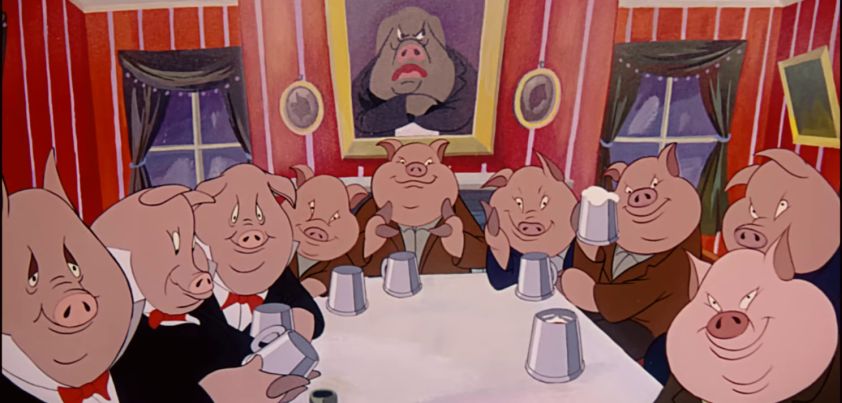
Animal Farm: Novella by George OrwellGiven events taking place in modern-day Russia, it is timely to revisit this classic political satire from George Orwell. Included in Time Magazine’s list of the 100 best English language novels, the story is an allegory of the 1917 Russian Revolution and rise of Stalinism. Major themes (and the reasons for its relevance today) are the lust for and corrupting effect of power, and how an unenlightened populace can be manipulated into continued acceptance of a failed/corrupt political system. Other themes: idealism, political transition (autocracy→ socialism→ communism→ autocracy), class, animal cruelty (= exploitation of the working class).

Continue ReadingAnimal Farm

The Wendigo

The Wendigo: Short story by Algernon BlackwoodIn this story by Algernon Blackwood, a hunting party encounters a Wendigo, a malevolent being said by Algonquian folklore to haunt the wilds of Eastern Canada. While most stories associate the Wendigo with cannibalism, Blackwood’s version, though no less frightening, is a moss-eater. The creature’s presence is foreshadowed early and tension builds until one of their guides is taken and returned as a misshapen shadow of himself. He is taken again, and reappears with a mouth full of moss bereft of mind, memory and soul. Themes include friendship, isolation, superstition, the “Call of the Wild”, primal fear, hysteria, the supernatural.

Continue ReadingThe Wendigo

Heart of Darkness

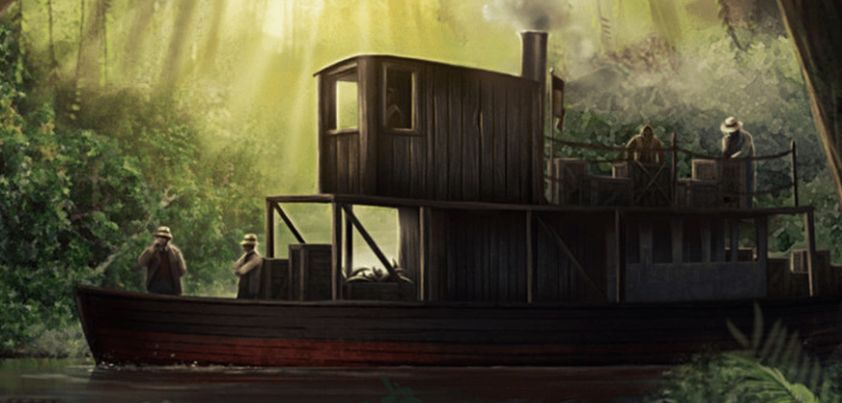
Heart of Darkness: Short story by Joseph ConradThis story by Joseph Conrad is told through the eyes of a riverboat captain sent into the heart of Africa to contact an enigmatic trading post manager employing questionable methods. It explores the concept of Darkness on several levels. At the highest, we have the ‘darkness’ of unexplored Africa, and the ‘darkness’ of European imperialism in seeking to subjugate its peoples and exploit its resources. On a more fundamental level, we have the potential ‘darkness’ (capacity for cruelty/evil) in the heart of every man. Themes include alienation and loneliness, power, moral and mental degeneration under colonialism, racism, cruelty, greed, exploitation.

Continue ReadingHeart of Darkness

Small Change

Small Change: Short story by Yehudit HendelThis impressionistic novella by Yehudit Hendel describes the psychological trauma experienced by an Israeli woman while imprisoned for a minor crime in post-World War 2 Switzerland. After growing up in an oppressive atmosphere dominated by a cold, autocratic father, her nightmarish ordeal is an allusion to Germany’s inhuman treatment of detainees during the holocaust. Although severely impacted by the experience, she is empowered to rebel against her cruel, obsessive father, who has cared more about his stamp and small change collections than his family. Themes: parent-child relationships, obsession, anti-Semitism, injustice, cruelty and sexual violence, self-empowerment.

Continue ReadingSmall Change