One Day in the Life of Ivan Denisovich

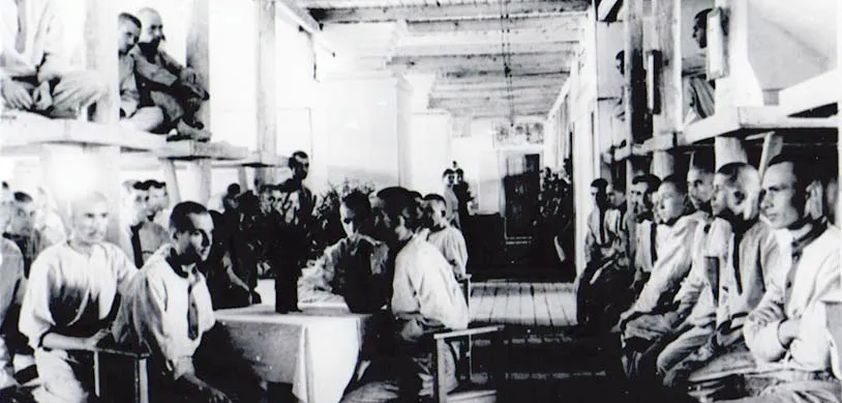
One Day in the Life of Ivan Denisovich: Novella by Alexandr SolzhenitsynThis fictional account of life in a former Soviet Gulag (forced labor camp) is drawn from author Alexandr Solzhenitsyn’s personal experience as a prisoner under the Stalin regime. Its major theme is survival in a system designed to break inmates through a combination of harsh conditions, brutality and absurd camp rules. Some survive with dignity, others through theft, scavenging, and snitching on fellow prisoners. The weak and those who question the system don’t survive. Other themes include injustice, power and authority, corruption, cruelty, suffering, endurance, pride, camaraderie, competition, faith, memories and time.

Continue ReadingOne Day in the Life of Ivan Denisovich

The Soul is Not a Smithy

The Soul is Not a Smithy: Novella by David Foster WallaceIn this story by David Foster Wallace, a man looks back to a day when, as a “slow” nine-year-old student, he daydreamed his way through a Civics class by making up stories based on visual clues he saw while staring out the window. Oblivious to the growing panic of classmates as a deranged substitute teacher wrote KILL, KILL THEM, KILL THEM ALL repeatedly on the chalkboard, he remained sitting after the other students fled. A major theme is fear of disappointment and lack of fulfilment in adult life. Other themes include childhood trauma, violence, pain and loss, time, memory, death.

Continue ReadingThe Soul is Not a Smithy

The Pearl

The Pearl: Short story by John SteinbeckThis novella from John Steinbeck describes a battle between good and evil and exposes the best and worst in human nature. Sadly, evil wins out. An uneducated Mexican-Indian pearl diver from a poor fishing community outside a Spanish town dreams of a better life for his family after discovering a pearl as large as a sea-gull’s egg on the ocean floor. After multiple instances of townspeople trying to manipulate and cheat him and later, to violently steal the pearl, his dream turns into a tragic nightmare. Themes: family/community, racism, colonialism, oppression, materialism, greed, corruption, fate.

Continue ReadingThe Pearl

Death in Venice

Death in Venice: Novella by Thomas MannThis Thomas Mann classic is renowned for its masterful psychological profile of Aschenbach, a jaded, aging writer who develops an unhealthy infatuation with a fourteen-year-old-boy during a Venetian holiday. Although the novella’s central theme (homosexuality) is no longer controversial, other aspects of the story (pedophilia and stalking) certainly are. Sympathy for Aschenbach is greatly diminished when, out of selfishness, he decides not to warn the holidaying boy’s family about a deadly epidemic being covered up by authorities. Many readers see Aschenbach’s fate as just punishment for his actions. Other themes: art and the artist, alienation, obsession, depravity, death.

Continue ReadingDeath in Venice

The Man Who Lived Underground

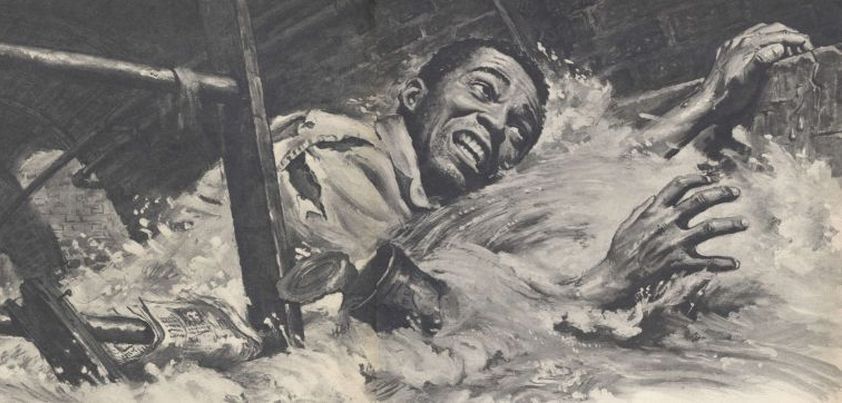
The Man Who Lived Underground: Novella by Richard WrightThis is the shortened, anthologized version of this Richard Wright title, not the recently released (2021) novel. Having said that, it is still a very powerful story. An innocent man, tortured by police into confessing to murder, escapes and takes refuge in the sewers and basements of an unnamed city. As he struggles for survival, uncertainty and sensory deprivation cause him to lose touch with reality. He comes to believe that all men are inherently evil and, unable to go on, decides to face his guilt by handing himself in. Themes: guilt vs. innocence, isolation, identity, racism, police brutality.
Continue ReadingThe Man Who Lived Underground

The Death of Ivan Ilyich

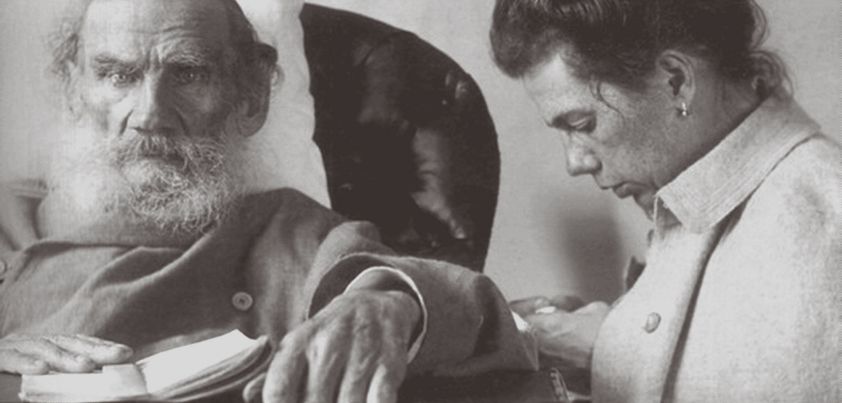
The Death of Ivan Ilyich: Short story by Leo TolstoyThe major themes of this famous novella by Leo Tolstoy are the inevitability of death and the shallowness of Russia’s bourgeoisie. As Ivan Ilyich, a successful civil servant, faces an early, agonizing death he asks himself the inevitable question: How could that be, when I did everything [in life] properly? By bourgeoisie standards, his assessment is correct. However, by general social standards Ivan’s superficial, self-centered life lacked compassion, genuine connection, and spiritual meaning. As Ivan’s suffering strips away his delusions, he finds joy and redemption in death. Other themes: appearance and materialism, suffering, denial, isolation, acceptance and redemption.

Continue ReadingThe Death of Ivan Ilyich

Unaccustomed Earth

Unaccustomed Earth: Short story by Jhumpa LahiriThe major themes of this story from Jhumpa Lahiri are connection (daughter-parents, grandfather-grandson) and biculturalism (how different generations respond to belonging to two different cultures). A widowed Indian immigrant visits his daughter and three-year-old grandson. The visit triggers memories of the difficulties and frustrations the daughter experienced growing with parents who had different values and beliefs to their adopted culture. It also highlights her lonely, isolated life and strained marriage, and an inner-conflict she feels about the Indian cultural practice of a child taking a widowed parent into their home. Other themes: death and grief, moving on, independence, companionship, loneliness.

Continue ReadingUnaccustomed Earth

The Bridal March

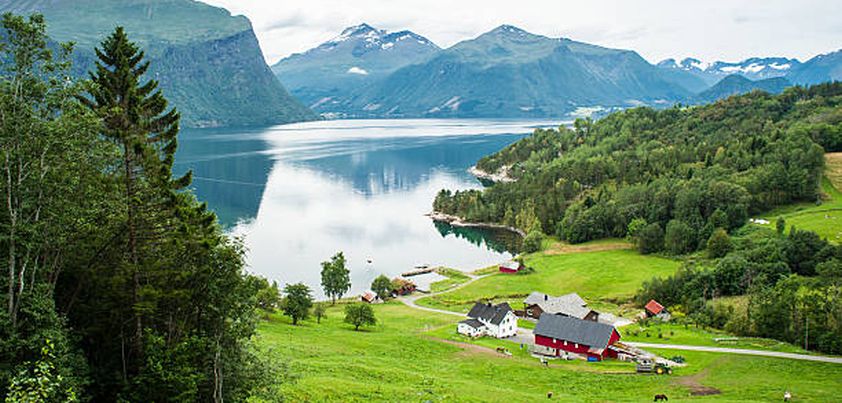
The Bridal March: Short story by Bjørnstjerne BjørnsonThis story by Bjørnstjerne Bjørnson spans four generations descended from a Norwegian cottar said to practice the black arts. He composed a bridal march for his daughter, warning that woe would come to any girl it played to church who was not a happy bride. One descendent wasn’t and paid the price. A major theme is forbidden love, with each descendant marrying someone from a different social class. In the final union, the cottar’s great-great granddaughter brings alienated sides of the family together by marrying his grandson. Other themes include social class and conventions, family duty and conflict, the supernatural.

Continue ReadingThe Bridal March