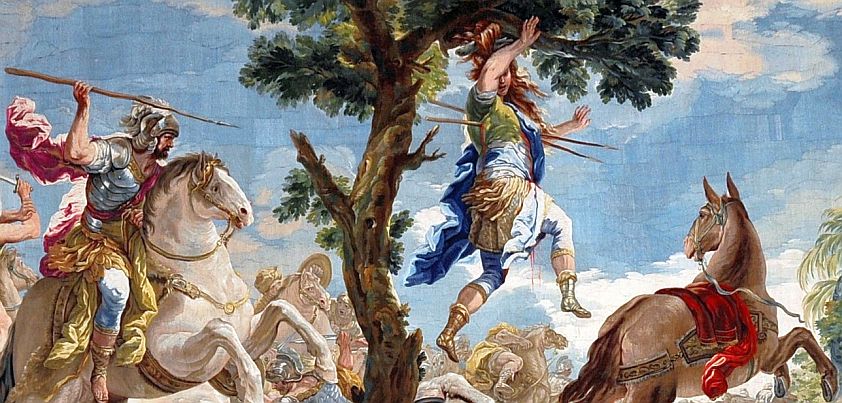
Absalom’s Hair

Absalom’s Hair: Short story by Bjørnstjerne BjørnsonIn this story by Bjørnstjerne Bjørnson, friends and family are dismayed when an intelligent, independent twenty-one-year-old woman marries a dominant, sixty-year-old recluse. When she tries to leave, he cruelly confines her and their one-year-old son to his seaside estate. On his death, she moves with the then twelve-year-old boy to England and spends the next ten years trying to control every aspect of his life, including separating him from any girl/woman he shows interest in. His love/hate relationship with her almost destroys his life. Themes include power and control, the struggle for independence, vulnerability, desire, societal norms, mother-son relationships.

Continue ReadingAbsalom’s Hair

The Dunwich Horror

The Dunwich Horror: Novella by H. P. LovecraftIn this cosmic horror story by H. P. Lovecraft, an early 19th century practitioner of the black arts summons an “Elder Thing” from another dimension to mate with his daughter. The result is an unusual set of twins. One has enough human characteristics to allow it to function in society. The other, which takes more after its father, is an invisible monster the size of a house, intent on destroying life on earth and moving the planet to the “Other Side”. Themes include the occult, madness, fear, heroism, realms beyond human understanding, the potential transient nature of humanity.

Continue ReadingThe Dunwich Horror

Mitya’s Love

Mitya’s Love: Short story by Ivan BuninThis story by Ivan Bunin portrays the depths of love, and how insecurity and jealousy can destroy it. The story opens with a young Russian man (Mitya) so hopelessly in love with a woman that his jealousy stifles their relationship. They decide to separate for a short period to test their feelings, and he returns to his family estate in the countryside. The separation is torture as she fails to respond to his increasingly desperate letters, and when a “Dear Mikya” note finally arrives, things don’t end well. Themes include passion, sexuality, unrequited love, insecurity, jealousy, obsession, temptation, despair, death.

Continue ReadingMitya’s Love

Metamorphosis

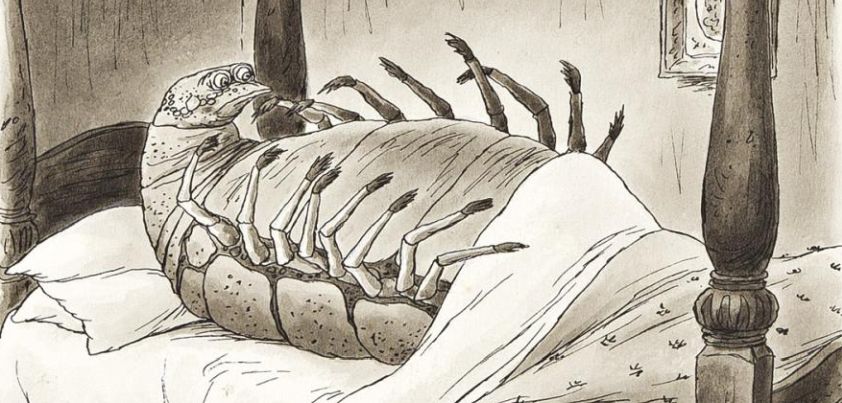
Metamorphosis: Short story by Franz KafkaIn this enigmatic story from Franz Kafka, a man who works hard as a traveling salesman to support his parents and younger sister wakes up one morning having metamorphosed into a giant bug. The father brutally confines the man/bug to his room, and for a period he/it is treated with consideration and compassion by the mother and daughter. However, as the family struggles to deal with their new financial situation, he/it gets less and less attention and ultimately suffers a rather cruel end. Themes include family, identity, self-sacrifice, alienation, transformation, isolation, betrayal, and the absurdity of life.

Continue ReadingMetamorphosis

The Time Machine

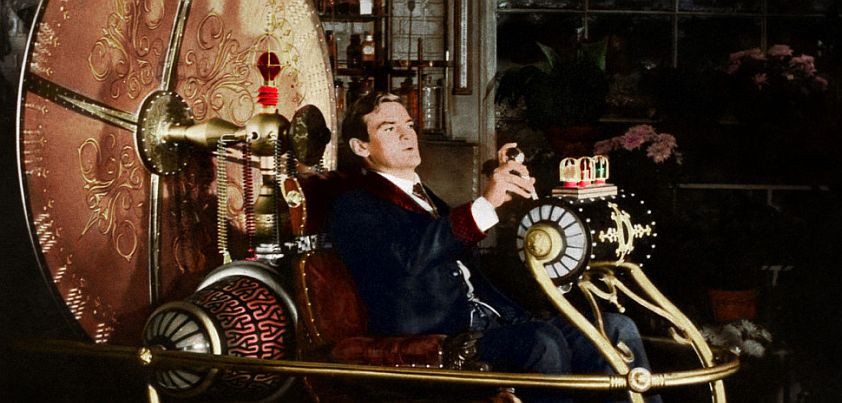
The Time Machine: Novella by H. G. WellsIn this H. G. Wells classic, a Victorian era scientist who invents a time machine and travels over 800,000 years into the future finds a disintegrating world. Mankind has devolved into two species: the care-free, childlike Eloi (descendants of the elite) who live above ground in crumbling cities, and the aggressive, ape-like Morlocks (descendants of the working class) who live in perpetual darkness underground. He soon learns the gruesome secret of their co-existence. Themes include time travel, technology and “progress”, inequality and social class (the capitalist divide), the decline of humanity, love and kindness, entropy and decay.

Continue ReadingThe Time Machine

The Man That Corrupted Hadleyburg

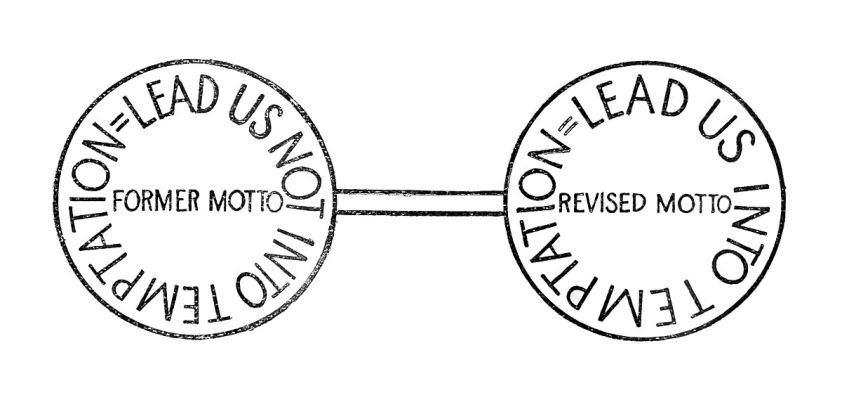
The Man That Corrupted Hadleyburg: Short story by Mark TwainSamuel Clemens (aka Mark Twain)’s imaginary Hadleyburg is a remarkable place. Despite its reputation for being the most honest and upright town in all the region, its citizens managed to offend a vindictive passing stranger. The visitor was so upset that he came up with an elaborate plan to destroy the town’s image. Ironically, as the story plays out, we learn that Hadleyburg’s version of “honesty” came at a price. It is a mean, hard, stingy town, and hasn’t a virtue in the world. Themes: revenge, appearance vs. reality, hypocrisy, temptation, morality vs. greed, “herd mentality”, guilt and shame.

Continue ReadingThe Man That Corrupted Hadleyburg

Kitchen

Kitchen: Novella by Mahoko (aka Banana) YoshimotoThe major themes of this novella by Mahoko (aka Banana) Yoshimoto are death, grieving, loneliness, friendship/love, and the transience and precious nature of life. The two major characters (Mikage and Yuichi) go through a similar process after being left alone in the world following the death of a loved-one. Fortunately, each finds the strength to rebuild their life thanks to the friendship and support of the other. A common thread in the story is “the kitchen”, the central focus of many Japanese homes symbolizing warmth, security and connection. Other themes: food and cooking, family, gender, mysticism.

Continue ReadingKitchen

The Lifted Veil

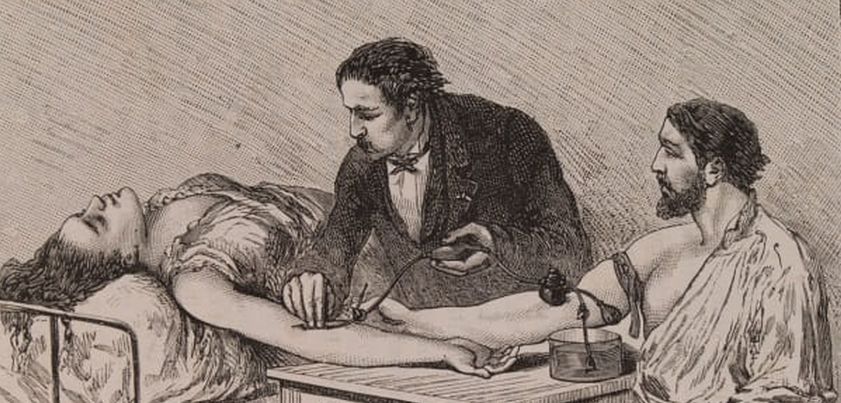
The Lifted Veil: Short story by Mary Ann Evans (aka George Eliot)The titular veil in this story by Mary Ann Evans (aka George Eliot) could refer to several things: 1) the veils of time and private thought, lifted by the protagonist’s psychic powers; 2) the veil of innocence, lifted when his future wife’s narcissistic, manipulative nature is revealed; and 3) the veil of death, lifted when a dead woman is brought back to life and reveals that his wife is planning to murder him. Themes include alienation and isolation, the supernatural (clairvoyance), betrayal, despair, free-will vs. fate, scientific morality (playing God), death.

Continue ReadingThe Lifted Veil