The Cranes

The Cranes: Short story by Peter MeinkePeter Meinke’s The Cranes is a story about enduring love. Both members of a frail, elderly couple suffer from serious medical issues that have destroyed their quality of life. The woman appears to be the sicker of the two, and may be terminally ill. They reflect on their lives together as they sit in their car near some isolated marshland. As they talk, they observe two aged whooping cranes feeding along the shoreline. These birds, which are long-lived and mate for life, symbolize the couple. As a shot rings out, the cranes soar into the sky.

Continue ReadingThe Cranes

The Visitor

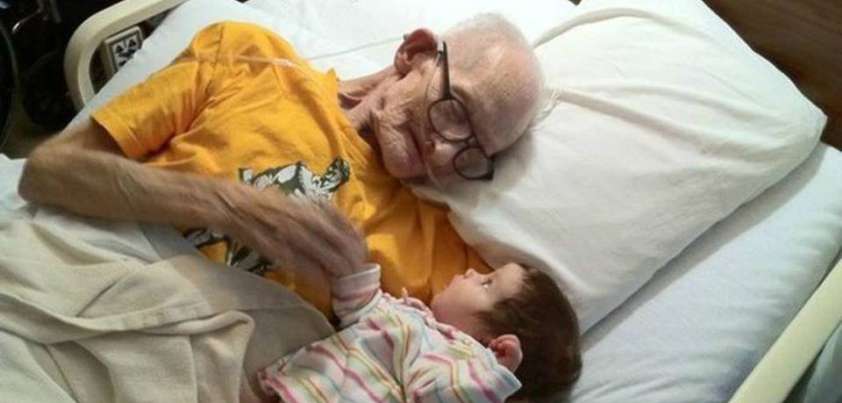
The Visitor: Flash story by Lydia DavisThis flash story by Lydia Davis starts with the narrator foreshadowing a visitor to his/her home who will require around the clock care and attention. The visit reminds the narrator of two similar experiences, one by a family member and the other by a friend. In both cases, healthy old men with whom they were living deteriorated physically to the point that their bodily functions collapsed and they became dependent on others for their day-to-day care and well-being. The story takes an unexpected twist in the heart-warming final paragraph, where the narrator reminds us of the circle of life.

Continue ReadingThe Visitor

The Flowers

The Flowers: Short story by Alice WalkerIn this “coming of age” story from Alice Walker, a ten-year-old farm girl finds the decomposed body of a decapitated man while collecting flowers in a field. Surprisingly, this doesn’t seem to faze her; she gazes around the spot with interest, then stoops to pick a wild rose. It is not until she notices something else on the ground that we are told her summer was over. As a testament to Walker’s talent, the story contains no dialogue and minimal narrator interpretation of the girl’s emotions; changes in mood and atmosphere are almost solely engendered through actions and setting.

Continue ReadingThe Flowers

Old Man at the Bridge

Old Man at the Bridge: Short story by Ernest HemingwayAlthough a war story, the major theme of this vignette by Ernest Hemingway is not the physical horrors of armed conflict, but rather the psychological impact on the lives of those caught up in its wake. An old man has dedicated his life to caring for several pets. Forced to set them free and flee, he now fears for their safety and sits alone on a bridge, having lost the drive to go on. The narrator, a soldier focused on this duty, reluctantly leaves him to his fate. Other themes include alienation, anxiety, guilt and despair, resignation, duty vs. compassion.

Continue ReadingOld Man at the Bridge

The Sacrificial Egg

The Sacrificial Egg: Short story by Chinua AchebeThe major theme of this story by Chinua Achebe is culture clash, as reflected in the changes forced on the Ibo (Igbo) people of South-Eastern Nigeria as they reconciled their traditional values and beliefs with the effects of Westernization under British colonial rule. One of the biggest changes observed by the narrator is the move from a village-based to an urbanized society, which resulted in a resurgence of smallpox. We also learn how some people, including the narrator, try to minimize such conflicts by maintaining a foot in both cultural camps. Other themes include colonialism, tradition, superstition, compromise.

Continue ReadingThe Sacrificial Egg

The Autopsy (Dissection)

The Autopsy: Short story by Georg HeymOnly an accomplished poet like Georg Heym could tastefully write such an absorbing vignette about the dissection of a human body. This early example of expressionist literature (written a year before Kafka’s The Judgement) describes the procedure in the form of a prose poem. Extensive use of literary devices softens the gore and lends a surreal quality to the story. The backstory of love and beauty humanizes the dead man, making the juxtaposition in the final sentence (the dead man quivered in happiness … while the … doctors broke open the bones of his temple) seem all the more powerful.

Continue ReadingThe Autopsy (Dissection)

The Pedestrian

The Pedestrian: Short story by Ray BradburyThis is our second Ray Bradbury story that questions the social effects of television (the first being The Veldt). Set in 2053, almost everyone stays indoors all night watching TV. Leonard Mead doesn’t. He enjoys going out for a long walk every evening. This is so unusual that the only police car patrolling the empty streets arrests him for his “regressive tendencies”. Fortunately, Bradbury’s predictions about TV were wrong. However, something far more dangerous may be replacing it: social networking on mobile devices! Themes include social dysfunction, dehumanization through technology, conformity vs. individualism, surveillance and control, isolation, disconnection from nature.

Continue ReadingThe Pedestrian

Indian Camp

Indian Camp: Short story by Ernest HemingwayThis story by Ernest Hemingway tells how a young boy ‘comes of age’ as he witnesses the saving of a woman’s life, the birth of her baby, and the death of her husband – all in the space of just a few hours. A feature of Hemingway’s short stories is that he often leaves important details open to the reader’s interpretation. In this story, we come away wondering why the woman’s husband killed himself. Some people suggest that the boy’s Uncle George may have had something to do with it. Themes: birth and death, suffering, masculinity, suicide.

Continue ReadingIndian Camp