
The Flowers
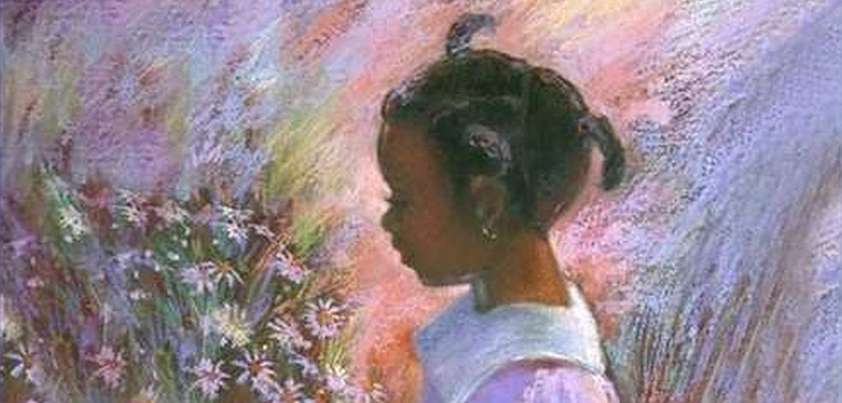 In this “coming of age” story from Alice Walker, a ten-year-old farm girl finds the decomposed body of a decapitated man while collecting flowers in a field. Surprisingly, this doesn’t seem to faze her; she gazes around the spot with interest, then stoops to pick a wild rose. It is not until she notices something else on the ground that we are told her summer was over. As a testament to Walker’s talent, the story contains no dialogue and minimal narrator interpretation of the girl’s emotions; changes in mood and atmosphere are almost solely engendered through actions and setting.
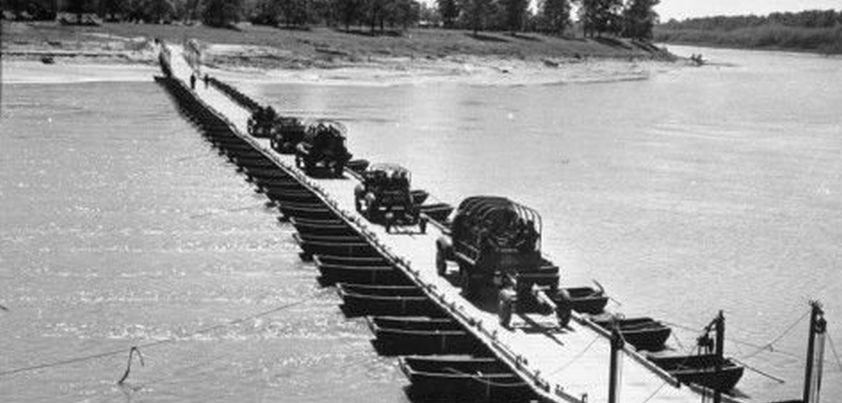 Although a war story, the major theme of this vignette by
  The major theme of this story by
  Only an accomplished poet like
 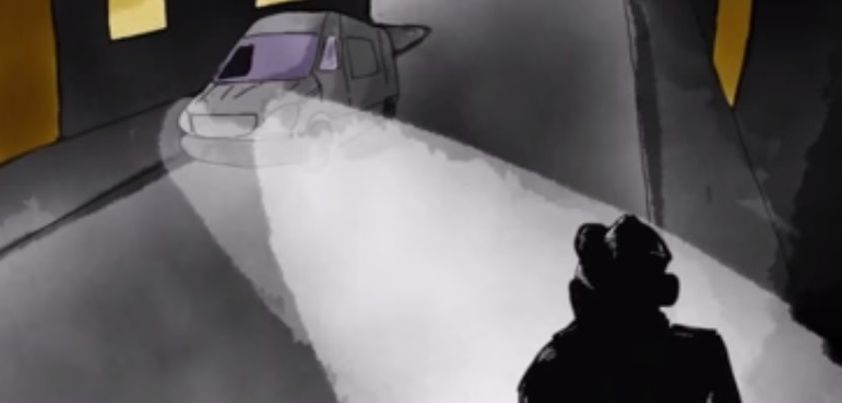 This is our second
 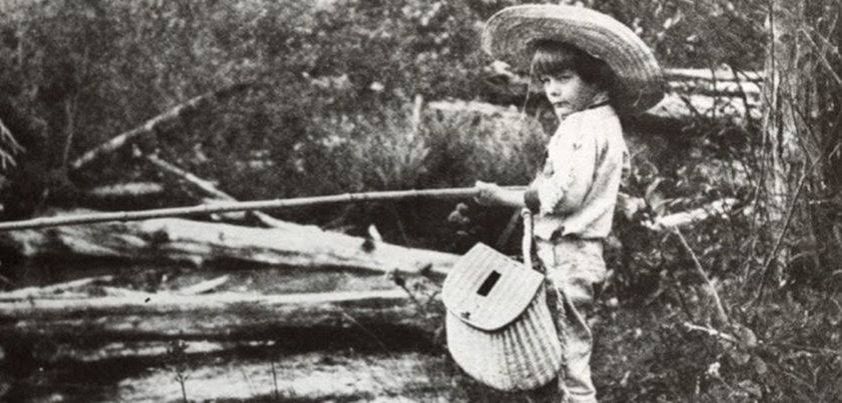 This story by
  Today we have what is probably the best-known (and shortest!) story of
 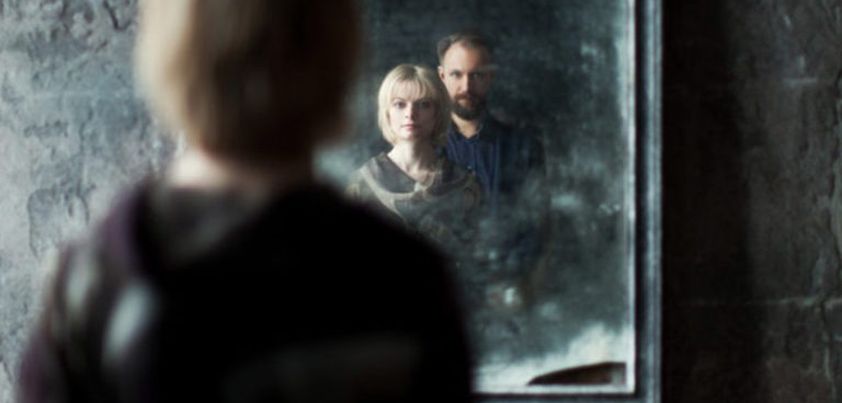 This story from Cuban writer María Elena Llana uses a combination of humour and magical realty to highlight the potentially fatal consequences of pride. The victim (Clara), having excelled at university but never bothered to look for work, seems to think her formal education puts her above other family members. One evening, while “holding court” over dinner with her extended family (both living and dead) she learns the error of her ways. The next day she finds herself sitting on the other (dead family’s) side of the table. Themes: pride, acceptance of the unusual, the supernatural.