The Far and the Near

The Far and the Near: Short story by Thomas WolfeThis story from Thomas Wolfe is about perception, connection and disappointment. A railway engineer works the same route for over twenty years. Every day, he pays particular attention to a small, well-kept farmhouse from which a woman, and later a woman and child, emerge to wave cheerfully as the train passes. He feels a special connection with them, which helps through the monotony and occasional tragedies encountered in his work. On retirement, he decides to pay the woman a visit. This does not go as he had planned. Themes: appearances, false assumptions, confusion, isolation, suspicion, disillusionment, regret.

Continue ReadingThe Far and the Near

Snow

Snow: Short story by Ann BeattieOn the surface, Anne Beattie’s Snow is a simple story about a woman’s recollections of a romantic winter in the snow-covered countryside. She doesn’t appear to be speaking directly to the man, so one wonders if she might be writing him a letter, looking at his photograph, or simply re-living events in her mind. The major theme of the story is nostalgia and the nature of memory. She recalls the good times they had together and a bitter-sweet return visit after their parting, but suggests that the man may remember the winter differently. Other themes: storytelling, love, loss.

Continue ReadingSnow

The Rememberer

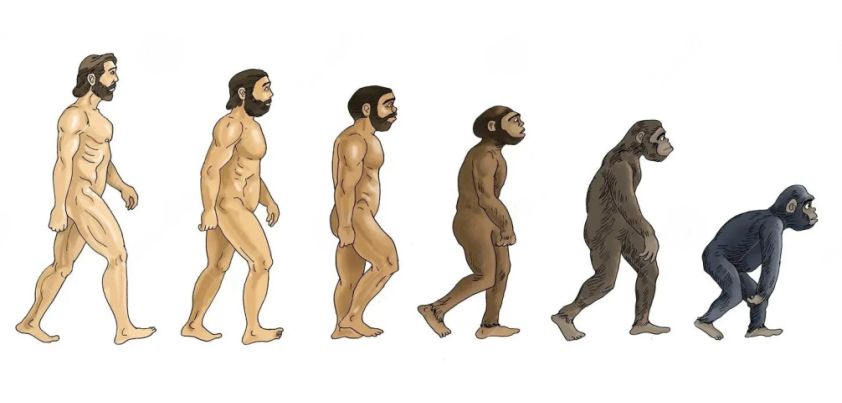
The Rememberer: Short story by Aimee BenderIn this story from Aimee Bender, a man who is so sad about the world that he laments thinking about it has a wish come true. For no apparent reason he begins to experience reverse evolution, shedding millions of years a day. He regresses into an ape, then a sea turtle, and finally a small salamander, which his lover frees into the ocean. All she has left is her memories of him, which she clings to because if he’s not here, it’s her job to remember. Themes include overthinking and emotional detachment, love and caregiving, loss and remembrance.

Continue ReadingThe Rememberer

Can-Can

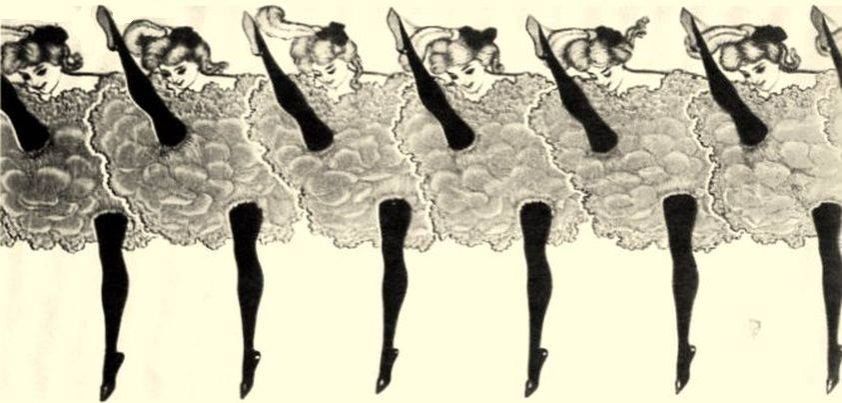
Can-Can: Short story by Arturo VivanteThis story by Arturo Vivante is about a happily married family man with a loving, trusting wife. When his wife dances the Can-Can for one of their children, we can see that he also still finds her attractive. He knows she will not question his going out alone for a long drive, even though this is out of character. He has made plans to meet with another woman. It is clear that he has no real love for her, which leads to a question. Why do many happily married men put their marriage and family life at risk like this?

Continue ReadingCan-Can

A Day’s Wait

A Day's Wait: Short story by Ernest HemingwayThe message of this story from Ernest Hemingway is the importance of two-way parent-child communication. A doctor attributes a boy’s high temperature to influenza and prescribes medicine. Over the course of the day, the boy remains “detached” and begins to act strangely. He is sure the doctor and his father are hiding something more serious from him. Had the father taken the time to make sure his son fully understood what the doctor said, or the son raised his concerns immediately, both would have been spared a lot of anxiety. Themes: father-son relationships, innocence, misunderstanding, fear, masculinity, stoicism.

Continue ReadingA Day’s Wait

The Last Unicorns

The Last Unicorns: Flash story by Edward HochThis flash story by Edward Hoch begins with the startling news that thousands of years ago unicorns once roamed Africa. A clever trader manages to buy a pair and transport them to the Middle East. As unicorns are much stronger than horses, he plans to make his fortune by breeding them and selling the young. Before he can do this, a stranger arrives and offers to buy his unicorns. When he says “No”, the stranger tries to steal them. The angry trader drives the stranger away, little knowing that his unicorns will soon become the last two in the world.

Continue ReadingThe Last Unicorns

Fatso

Seventh Grade: Short story by Gary SotoThe concept of shapeshifting is not new. Examples exist in mythology, fairy-tales, and innumerable science fiction plots. The protagonist in this Etgar Keret story falls in love with a woman who is beautiful by day but, in a twist on Princess Fiona of Shrek fame, turns into a fat, hairy man by night. The man and womanly side remain lovers and even contemplate a family (ugh!), while he and the fat man become good friends. As absurd as the story might seem, it contains an important message about the role of friends in ensuring a complete and fulfilling life.

Continue ReadingFatso

Ripe Figs

Ripe Figs: Flash story by Kate ChopinThis flash story by Kate Chopin packs several themes into less than 300 words. The most obvious are the different perspectives on the marking and passage of time. Maman-Nainaine is close to the land and marks events by natural cycles as opposed to the calendar. For her, like many older people, the weeks and months pass quickly. For Babette, thanks to the impatience of youth, time seems to move slowly when looking forward to something. The symbolism of ripening figs (representing the maturing of Babette into womanhood) and chrysanthemums (the “death flower” in Creole culture) indicate other possible themes.

Continue ReadingRipe Figs