The Last Unicorns

The Last Unicorns: Flash story by Edward HochThis flash story by Edward Hoch begins with the startling news that thousands of years ago unicorns once roamed Africa. A clever trader manages to buy a pair and transport them to the Middle East. As unicorns are much stronger than horses, he plans to make his fortune by breeding them and selling the young. Before he can do this, a stranger arrives and offers to buy his unicorns. When he says “No”, the stranger tries to steal them. The angry trader drives the stranger away, little knowing that his unicorns will soon become the last two in the world.
Continue ReadingThe Last Unicorns

Fatso

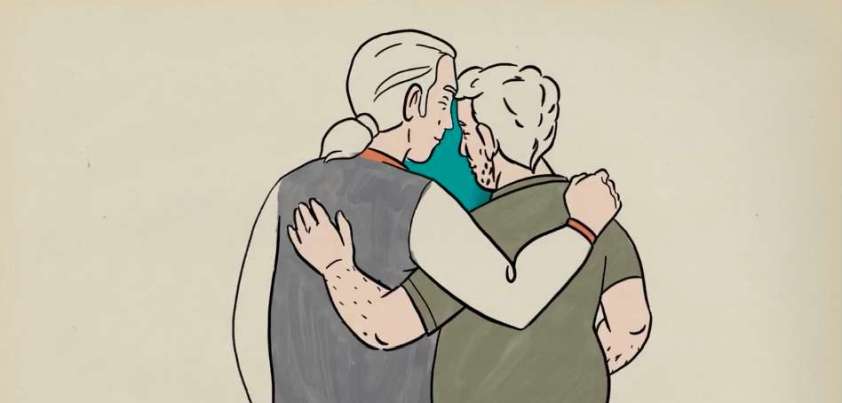
Seventh Grade: Short story by Gary SotoThe concept of shapeshifting is not new. Examples exist in mythology, fairy-tales, and innumerable science fiction plots. The protagonist in this Etgar Keret story falls in love with a woman who is beautiful by day but, in a twist on Princess Fiona of Shrek fame, turns into a fat, hairy man by night. The man and womanly side remain lovers and even contemplate a family (ugh!), while he and the fat man become good friends. As absurd as the story might seem, it contains an important message about the role of friends in ensuring a complete and fulfilling life.
Continue ReadingFatso

Ripe Figs

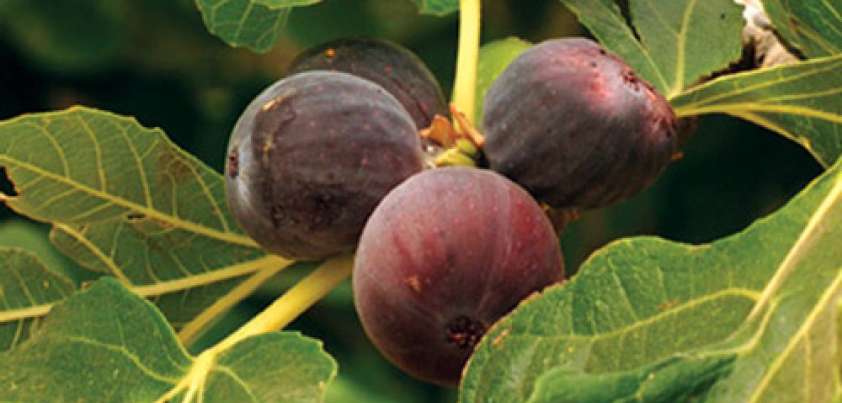
Ripe Figs: Flash story by Kate ChopinThis flash story by Kate Chopin packs several themes into less than 300 words. The most obvious are the different perspectives on the marking and passage of time. Maman-Nainaine is close to the land and marks events by natural cycles as opposed to the calendar. For her, like many older people, the weeks and months pass quickly. For Babette, thanks to the impatience of youth, time seems to move slowly when looking forward to something. The symbolism of ripening figs (representing the maturing of Babette into womanhood) and chrysanthemums (the “death flower” in Creole culture) indicate other possible themes.

Continue ReadingRipe Figs

Borrowing a Match

Borrowing-a-Match: Short story by Stephen LeacockHave you ever asked someone if you could borrow something, and then watched them go to so much trouble looking for it that you wish you hadn’t asked? If so, you will understand the building frustration of the man in this Stephen Leacock story. All he asked of a “decent, ordinary-looking” stranger was the loan of a match. In the process of looking for one, the stranger destroys his overcoat and the parcels and letters he is carrying, and then threatens to beat his young son when he gets home. Finally, . . . (you’ll have to read the story to find out!)

Continue ReadingBorrowing a Match

Kusum

Kusum: Short story by Khushwant SinghIn this story by Khushwant Singh, a young university student belatedly has a sexual awakening. Overweight and physically unattractive, she has compensated by being a model student and good girl with a capital G. Accepting her lot, she has shunned boys and had no interest in sex. That is until her passions are stirred by an accidental encounter with a cheeky young street hawker who makes an obscene, possibly flirtatious gesture at her. She puts on make-up, looks in her mirror, and an attractive, dark-eyed girl smiles back. Themes include identity, self-image, alienation, self-confidence, physical vs. inner beauty, sexuality.

Continue ReadingKusum

A Letter to God

A Letter to God: Short story by Gregorio López FuentesThis inspirational story by Gregorio López Fuentes is about a hardworking farmer (Lencho) whose crops are destroyed in a hailstorm. Facing a year in which his wife and children will go hungry, Lencho decides to write to the only one he knows of that is sure to help them: God. He posts the letter, and his faith is such that he is not at all surprised when he gets a letter in reply containing money. In the humorous denouement, Lencho’s faith in God is vindicated, but not so his faith in the post office. Themes: faith, unpredictability, kindness, misunderstanding, ingratitude.

Continue ReadingA Letter to God

The Last Night of the World

Last Night of the World: Short story by Ray BradburyThis Ray Bradbury story opens with a question: What would you do if you knew this was the last night of the world? A couple believe the world will end sometime during the coming night. The idea came in a dream shared by everyone they know. The couple decide the best thing to do is accept the fact and go through their evening routine as usual. They even manage to share a joke and go to bed laughing. What would you do? Themes include family, powerlessness, acceptance of the “inevitable”, comfort in routine, self-absorption and global awareness.

Continue ReadingThe Last Night of the World

The Bakery Attack / Second Bakery Attack

The Bakery Attack / Second Bakery Attack: Short stories by Haruki MurakamiThe Second Bakery Attack, one of Haruki Murakami’s most popular stories, is the sequel to an earlier, less well-known work. In the first story, an empty stomach symbolizes a life empty of ambition and intellectual stimulation. In the second, it symbolizes the insecurity inherent in a recently married couple’s (as yet) superficial relationship. The man has a lot to learn about his new wife, as becomes clear when she proves surprisingly adept at planning and carrying out a robbery. For the couple, the successful robbery proves a bonding, curse-lifting experience. Themes include marriage, insecurity, gender roles/’manhood’, the supernatural, change (Westernization).

Continue ReadingThe Bakery Attack / Second Bakery Attack