My Name / Geraldo No Last Name

My Name / Geraldo No Last Name: Short story by Sandra CisnerosWhat’s in a name? These two vignettes from Sandra Cisneros answer the question from different viewpoints. The narrator is unhappy with the anglicized spelling of her name (Esperanza) but proud of what it symbolizes — the strength of her great-grandmother who defied the Mexican stereotype of women being weak and subservient to their men. It provides a link to her heritage. Neighbor Geraldo, who illegally entered the USA for a better life, has no official name or identity. One moment, full of life and promise at a dance club. The next, dead with nobody to care or mourn his passing.

Continue ReadingMy Name / Geraldo No Last Name

The King of Jazz

The King of Jazz: Short story by Donald BarthelmeThe King of Jazz provides a satirical account of several aspects of the American music scene. Donald Barthelme loved jazz, and his main target here are fickle music critics and the way they try to out-do each other with flowery and often meaningless language when describing performances. He also makes fun of the ‘cutting contests’ once used by musicians to judge themselves against one another and, in so doing, satirizes the system of ‘chair challenges’ that were (are?) common in U.S. school bands. Finally, he sends up the notion that American musicians are the preeminent force in world jazz.

Continue ReadingThe King of Jazz

The Hit Man

The Hit Man: Short story by T. C. BoyleT. C. Boyle’s The Hit Man is a clever satire of the short story genre. Written in short paragraphs under sub-headings, the story contains all the necessary elements of a short story. What makes it unusual is that Boyle is able to provide a meaningful account of his protagonist’s entire life (boyhood, adolescence, courtship, death of parents, ‘career’, marriage, family, retirement, death… and even dislike of peas!) in less than 1,200 words. He also manages to deal with some serious issues (bullying, schoolyard violence, judicial system failure, gratuitous murder, glamorized crime and death) along the way.

Continue ReadingThe Hit Man

The Eyes Have It / The Girl on the Train

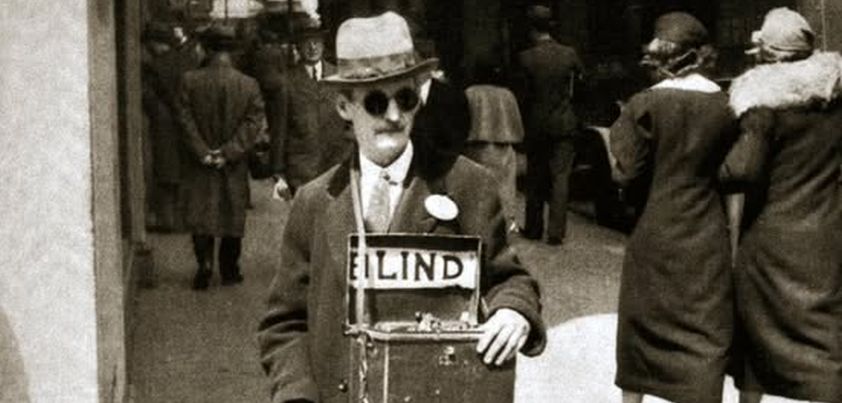
The Eyes Have It / Girl on the Train: Short story by Ruskin BondIn this story by Ruskin Bond, a blind man sitting in an empty train carriage is joined by a young woman. He is attracted by the sound of her voice as she farewells her family, and even the sound of her slippers. As he initiates a conversation, he decides to conceal the fact that he is blind. This extends to pretending to look out the window and describe the passing countryside. He is successful, only to learn after the woman exits the train that she is also blind. Themes include independence, loneliness, desire, self-consciousness, pretence, perception vs. reality.

Continue ReadingThe Eyes Have It / The Girl on the Train

The Blue Jar

The Blue Jar: Short story by Isak Dinesen (aka Karen Blixen)In this Isak Dinesen (aka Karen Blixen) story, a shipwreck leads to a quest. A sailor rescues the daughter of an art-collecting nobleman from a burning ship. They spend nine days alone in a lifeboat, during which they become lovers. The nobleman pays the sailor to return to sea, and she spends the rest of her life sailing the world, ostensibly seeking a uniquely colored Chinese porcelain jar. The jar, a symbol of the woman’s lost youth and time in the lifeboat, becomes her final resting place. Themes: enduring love, class, aging, beauty in art vs. the beauty of nature.

Continue ReadingThe Blue Jar

Happy-Endings

Happy Endings: Short story by Margaret AtwoodThe six “mini-stories” in this short meta-fictional narrative from Margaret Atwood satirize a common element of the story form. In the process, they touch on a myriad of themes including marriage and romance, family life, self-gratification, desperation, suicide, murder, virtue and compassion. The message seems to be that the ultimate denouement of a story matters little; the key is in its exposition and “How and Why” of events in between. The story also provides a lesson in life: What people will remember most about us after our book is closed is the how and why of the way we lived.

Continue ReadingHappy-Endings

Key Item

Key Item: Short story by Isaac AsimovIn this story, Isaac Asimov’s favorite supercomputer Multivac has a big problem. It doesn’t respond to commands, and isn’t following its built-in program to self-diagnose the cause. As the global economy depends on Mulitvac, this could result in panic across the world. Teams of technicians have been trying to identify what is wrong for three days. Finally, a scientist discovers the “key item” needed to fix the problem. It is a simple thing that we are all taught to use as children. Themes include the dangers of Artificial Intelligence and/or relying solely on technology, scientific hubris, good manners.

Continue ReadingKey Item

Hills Like White Elephants

Hills Like White Elephants: Short story by Ernest HemingwayThis story by Ernest Hemingway is aptly set at a railway junction. A couple waiting for a train have an important decision to make that will determine the direction of their lives. Unfortunately, they have reached a point in their relationship where they find it hard to open up and talk about their feelings. Although the man says he will leave it up to the woman, he puts subtle pressure on her to choose his way. Themes: perspective (male vs. female views on pregnancy and abortion), choices and consequences (freedom vs. family), language and communication (disconnection), dependence and control.

Continue ReadingHills Like White Elephants