
The King of Jazz
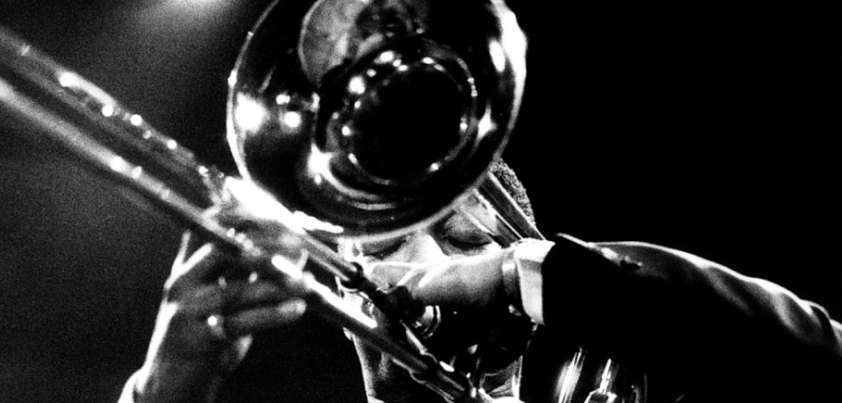 The King of Jazz provides a satirical account of several aspects of the American music scene. Donald Barthelme loved jazz, and his main target here are fickle music critics and the way they try to out-do each other with flowery and often meaningless language when describing performances. He also makes fun of the ‘cutting contests’ once used by musicians to judge themselves against one another and, in so doing, satirizes the system of ‘chair challenges’ that were (are?) common in U.S. school bands. Finally, he sends up the notion that American musicians are the preeminent force in world jazz.

 In this story by
  In this
  The six “mini-stories” in this short meta-fictional narrative from
  In this story,
  This story by
  This story by