The Boy in the Tunnel / The Boy on the Tünel

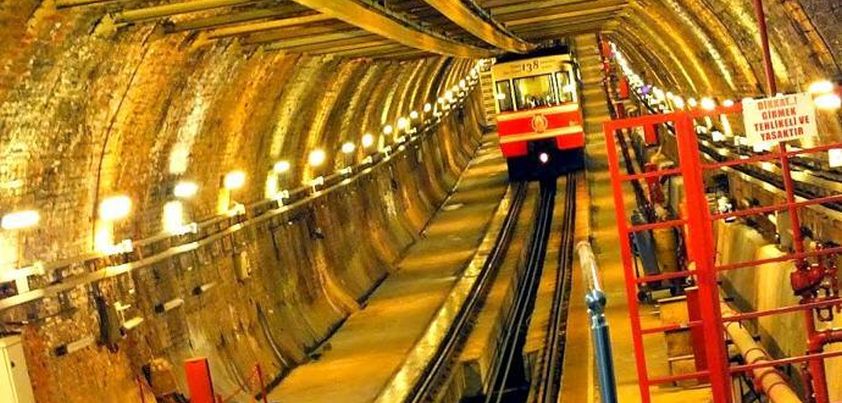
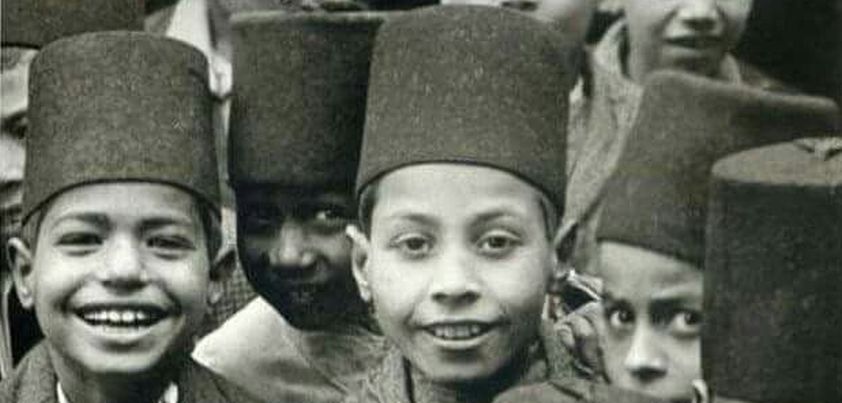
The Boy in the Tunnel / The Boy on the Tünel: Short story by Sait Faik AbasıyanıkThis story by Sait Faik Abasıyanık describes a man’s thoughts as he watches an unkempt boy make his first trip on the Tünel (Istanbul’s Beyoğlu – Karaköy funicular railway). The boy, who is clearly from a poor family, tries hard to supress his feelings of excitement and wonder. His joy turns to discomfort when he senses the man and other passengers taking notice of his faint smile. Themes include 1) how things some of us take for granted can create magic moments for others; and 2) how, as we age, society conditions us to hide our feelings in public.

Continue ReadingThe Boy in the Tunnel / The Boy on the Tünel

Like the Sun

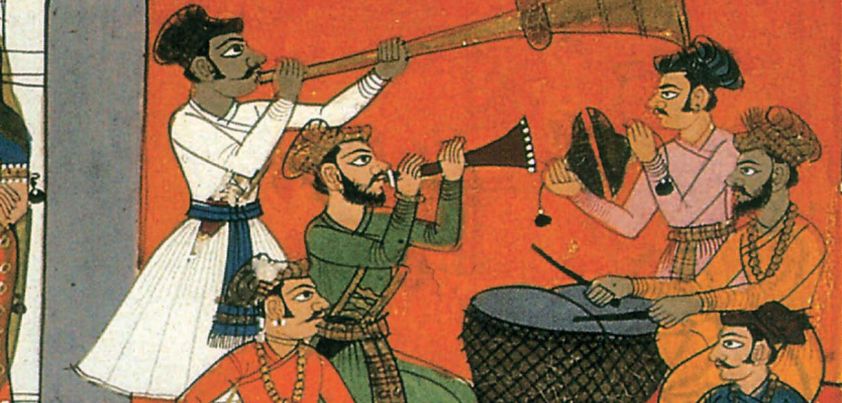
Like the Sun: Short story by R. K. NarayanThe major theme of this story by R. K. Narayan is the nature and consequences of truth. After observing that relationships involve tempering truth so as not to hurt one another, the protagonist adds that life is not worth living without telling nothing but the truth at least one day each year. On one of these days, his honesty upsets three people. The first two are needlessly hurt; the third, although unhappy, benefits from his frankness. The story shows that truth is indeed like the sun: most of the time warm and nourishing, but also capable of causing serious damage.

Continue ReadingLike the Sun

Half a Day

Half a Day: Short story by Naguib MahfouzThis thought-provoking story from Naguib Mahfouz is an allegory of the phases and brevity of life. An old man’s nostalgic description of his first day at school triggers a stream of associated memories. He recalls completing his schooling and going on to experience friendship and love as if this all took place the same day. He then imagines setting out alone on a mystical journey “home”. Changes in the social and urban environments cause him to lose his way, and he becomes increasingly anxious to reach his destination and seek explanations (enlightenment?) from his “father”. Themes: time, memory, aging, change.

Continue ReadingHalf a Day

The War Prayer

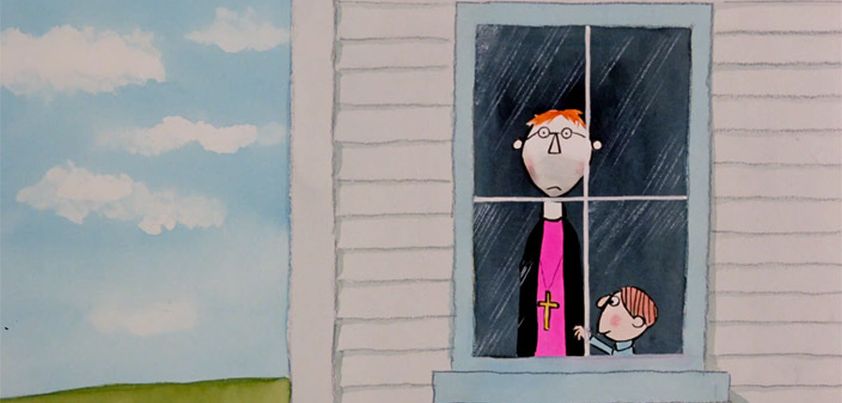
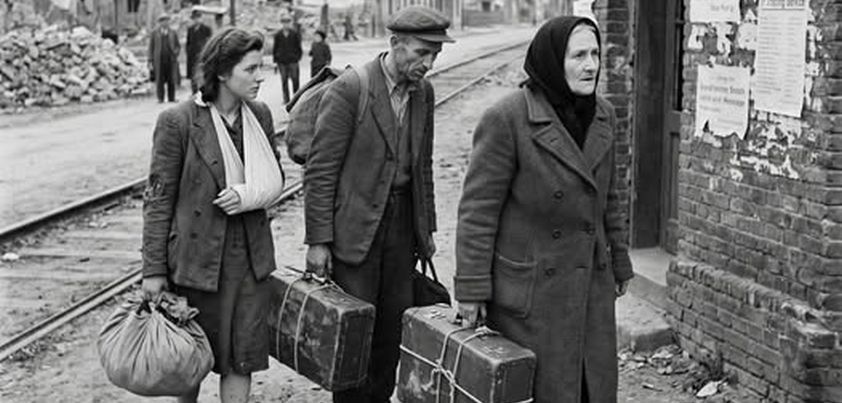
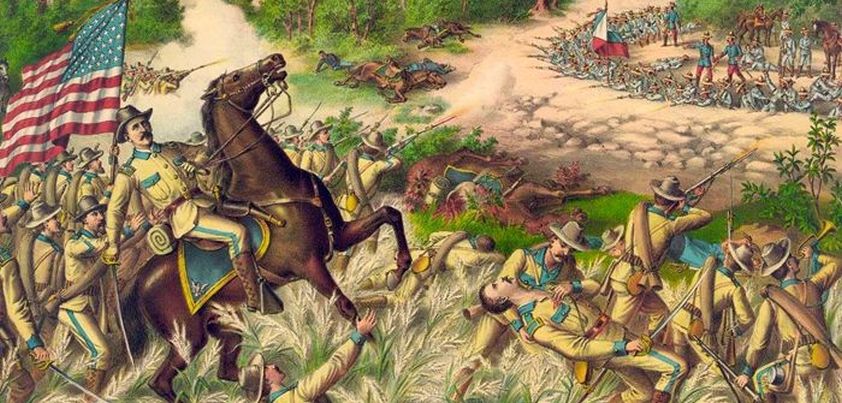
War Prayer: Short story by Samuel Clemens (aka Mark Twain)Following Russia’s recent invasion of Ukraine, it seems appropriate to feature one of literature’s most famous “anti-war” stories. Written in 1905, this narrative essay by Samuel Clemens (aka Mark Twain) is a condemnation of the American imperialist agenda that led to the Spanish and Filipino-American Wars. With his usual sarcasm and wit, Twain brushes aside patriotic bravado and poignantly focuses on the suffering of combatants and civilians on both sides. Themes: patriotism, the horrors of war, the connection between the church (religion) and war, the selfish one-sidedness of war prayers vs. the universality of God.

Continue ReadingThe War Prayer

Death by Scrabble

Death by Scrabble: Short story by Charlie FishYou know that a story which begins It’s a hot day and I hate my wife is not going to end well for one of them. In this story by Charlie Fish, a bored couple sit down for a “friendly” game of scrabble. As the competition intensifies, the man notices something strange. The words the couple put down on the board seem to be coming true in the room around them. To test the theory, he puts down the letters Q-U-A-K-E. As the ground begins to shake, he realizes too late that his wife has made the same discovery.

Continue ReadingDeath by Scrabble

Outside

Outside: Short story by Etgar KeretEtgar Keret’s Outside was published in July, 2020, just over six months into the Covid-19 epidemic. Eighteen months later, we are now into our third wave of the disease. The story is a humorous account of the effects of being locked-down at home. The experience so traumatizes the protagonist that, along with thousands of others, he refuses to leave home when things improve. Forced outside by the army, he struggles to remember where to go and what to do. Fortunately, a chance encounter on the way to an ATM triggers a conditioned response that immediately brings him back to normal.

Continue ReadingOutside

My Friend Luke

My Friend Luke: Short story by Fernando SorrentinoFernando Sorrentino’s diminutive “friend” Luke is a man of extremes. For the most part he is introverted, considerate and submissive. However, but put Luke on a bus and he becomes assertive, rude and manipulative. The catalyst for this changed behaviour is the tolerance of the other bus passengers, built up over years of coping with a crowded public transport system. The story is a metaphor for the desire of all people living subservient, unsatisfying, exploited lives to lash out and assert their individuality. Themes: lack of fulfilment, loneliness, exploitation, frustration, rebellion.

Continue ReadingMy Friend Luke

Filboid Studge

Filboid Studge: Short story by H. H. Munro (Saki)This story is from Saki is a spoof on modern advertising. A businessman who had invested all his money into a failed breakfast food requests help from an impoverished artist who wants to marry his daughter. The artist gives the product an unappetising name and promotes it with a poster of celebrities in Hell clamouring for the unpalatable dish “they cannot buy now”. Sales take off, and the businessman sells the company and marries his daughter to someone a “vast deal higher” than the hapless artist. Themes include despair, the power of advertising, branding (appeal to duty/guilt), social class, ingratitude/betrayal.

Continue ReadingFilboid Studge