The Verb to Kill

The Verb to Kill: Short story by Luisa ValenzuelaIn this story by Luisa Valenzuela, a pubescent girl in an isolated seaside community spends a lot of time fantasizing with her sister over the imaginary depraved, murderous activities of a seemingly harmless recluse living nearby. The additional conjugations of “to kill” at the end of the story suggest the girls may have taken matters into their own hands. A major theme is the danger of judging someone based on their looks or eccentric behaviour. Other themes include gender inequality and violence in society, imagination, egocentrism, paranoia, dehumanization (of both the man and their “friend” Pocha), superstition.

Continue ReadingThe Verb to Kill

The Baby (The First Thing the Baby Did Wrong)

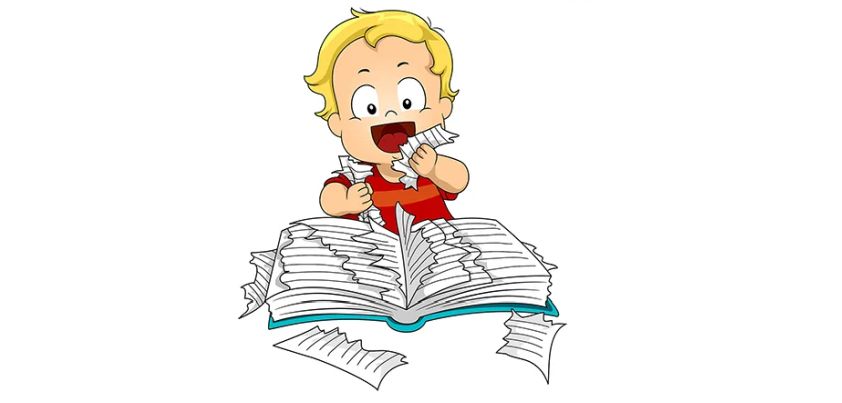
The Baby (The First Thing the Baby Did Wrong): Short story by Donald BarthelmeThis story by Donald Barthelme may be confronting for some readers because it appears to make light of an example of child abuse. Through exaggeration and humor, Barthelme leads us to his central theme: the coming of a baby can change the whole dynamics of family relationships. Most parents like to think that they are the ones in control. However, all too often they find themselves dancing to their child’s tune. By the end of the story, this baby has totally turned the tables. Some might even say that it has been guilty of a form of parental abuse!

Continue ReadingThe Baby (The First Thing the Baby Did Wrong)

An Uncomfortable Bed

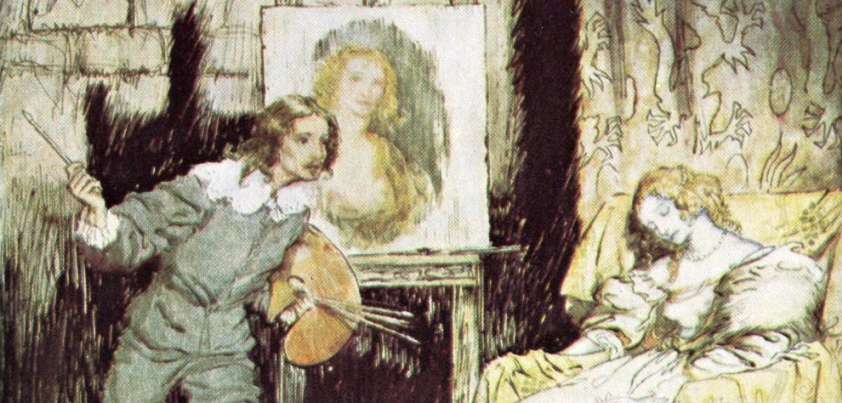
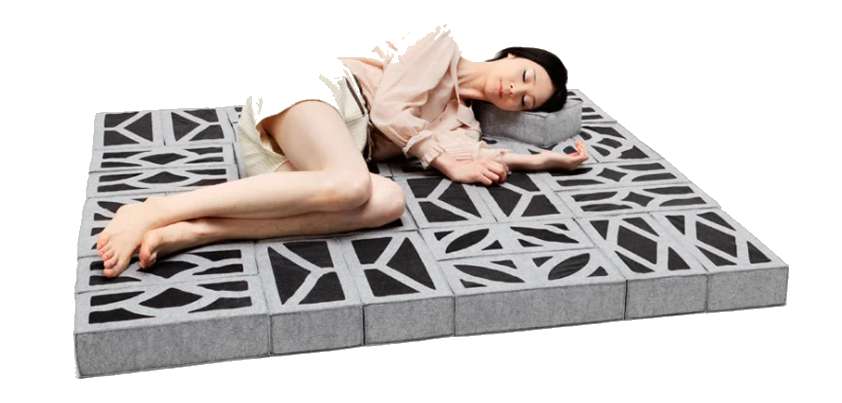
An Uncomfortable Bed: Short story by Guy de MaupassantThis story attributed to Guy de Moupassant is about a man who goes on a hunting holiday with some friends. They are staying in a large country house. When he arrives, the others seem much more jovial than usual. The friends often play practical jokes on one another, so he is suspicious they have planned a trick to play on him. When they all go to bed, he takes great care to make sure that the room contains no traps. He doesn’t find anything, but his friends still have a good laugh at his expense the next day.

Continue ReadingAn Uncomfortable Bed

Baby H.P.

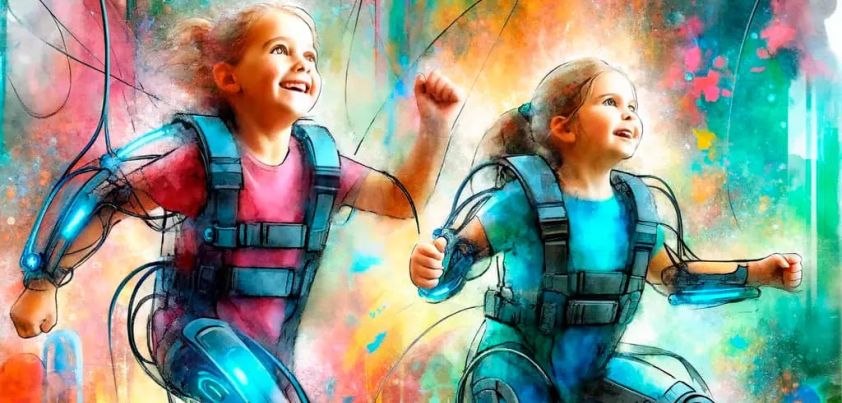
Baby H.P.: Short story by Juan José ArreolaThis satirical “story” by Juan José Arreola is in the form of an advertisement targeting 1940s housewives. It promotes a light metal exoskeleton which, when attached to a child’s body by means of comfortable belts, bracelets, rings, and brooches, transforms the energy of its movements into stored electricity. The story can be looked at on several levels: as a critique of the emerging consumer society (increasing use of household gadgets); as an attack on commercialism (impacting children’s lives for profit); and as a warning of the potential dehumanizing effects of technology. Themes include absurdity, consumerism, child exploitation, misuse of technology.

Continue ReadingBaby H.P.

Barcelona

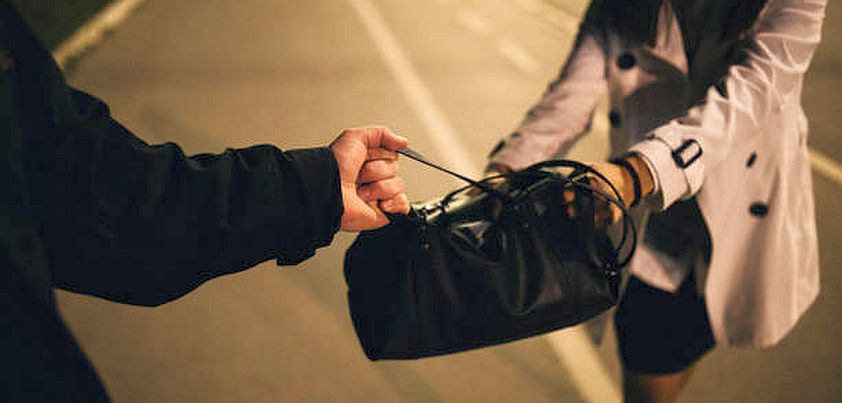
Barcelona: Short story by Alice AdamsThis story by Alice Adams deals with themes of fear, preparedness, pride, gender expectations and poverty. As a wealthy-looking American couple walk through the darkened streets of Barcelona, a thief grabs the woman’s purse and flees. The husband gives chase and recovers it, but appears strangely disappointed when his wife tells him that she always carries her money in her pocket and the bag contains nothing of value. The wife reflects on how men are always “chasing something” to prove their self-worth, and feels sorry for the plight of the poor who must steal to do so.

Continue ReadingBarcelona

Hearts and Hands

Hearts and Hands: Short story by O. HenryAs with many O. Henry stories, in Hearts and Hands things may not be as they first seem. An attractive, refined-looking young woman is returning East by train after spending time in the ‘Wild West’. She greets a handsome young man she knows, only to see that he is handcuffed to a roughly dressed, glum-faced companion. One of the men is a marshal, the other a criminal being escorted to prison for counterfeiting. Themes include understanding and compassion, deception, appearance vs. reality (beware of judging people by appearances), crime and justice, the lure of the West.

Continue ReadingHearts and Hands

Bread

Bread: Short story by Margaret AtwoodThis story by Margaret Atwood begins with four passages in which bread is used as a metaphor to illustrate a range of themes. In the first, it’s the good life (plenty and relaxation). In the second, famine (choices and consequences). In the third, life and death (betrayal or sacrifice). And in the fourth, social inequality and greed. The story concludes with a passage about a floating loaf of bread we know is real but are afraid to touch. The inference here is that most unaffected people prefer to turn a blind eye to the starvation and suffering in the world.

Continue ReadingBread

At Dead Dingo

At Dead Dingo: Short story by Henry LawsonThis story by Australian poet and writer Henry Lawson takes place in an outback pub one hot New Year’s Day. There are four people in the pub: the girl behind the bar, two customers playing cards, and another on a sofa sleeping off a hangover. When one of the card players loses all his money, he bets what he says is his sheepdog. Shortly after the card players leave, the other man wakes. He asks about his dog and threatens to go to the police unless the hotel pays him in some way. Question: Who really owned the dog?

Continue ReadingAt Dead Dingo