Bread

Bread: Short story by Margaret AtwoodThis story by Margaret Atwood begins with four passages in which bread is used as a metaphor to illustrate a range of themes. In the first, it’s the good life (plenty and relaxation). In the second, famine (choices and consequences). In the third, life and death (betrayal or sacrifice). And in the fourth, social inequality and greed. The story concludes with a passage about a floating loaf of bread we know is real but are afraid to touch. The inference here is that most unaffected people prefer to turn a blind eye to the starvation and suffering in the world.

Continue ReadingBread

At Dead Dingo

At Dead Dingo: Short story by Henry LawsonThis story by Australian poet and writer Henry Lawson takes place in an outback pub one hot New Year’s Day. There are four people in the pub: the girl behind the bar, two customers playing cards, and another on a sofa sleeping off a hangover. When one of the card players loses all his money, he bets what he says is his sheepdog. Shortly after the card players leave, the other man wakes. He asks about his dog and threatens to go to the police unless the hotel pays him in some way. Question: Who really owned the dog?
Continue ReadingAt Dead Dingo

One of These Days

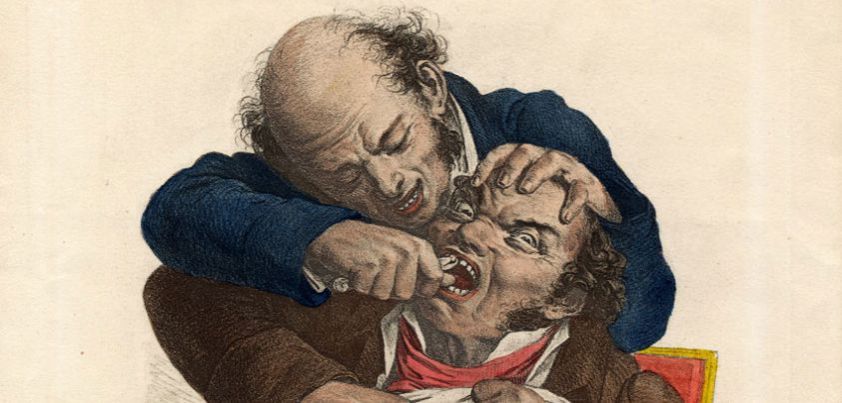
One of These Days: Short story by Gabriel Garcia MarquezIn this story by Gabriel Garcia Marquez, a corrupt Mayor approaches a dentist to treat an abscessed tooth. The dentist does not want to help, but knows he will be killed if he refuses. The dentist has a revolver in a drawer next to his chair. Once the Mayor is in the chair, the dentist has him at his mercy. In a quiet but serious voice, he says to the Mayor: “Now you’ll pay for our twenty dead men.” The dentist has decided what has to be done… does he pull the trigger, or pull the tooth?

Continue ReadingOne of These Days

The Continuity of Parks

The Continuity of Parks: Short story by Julio CortázarJulio Cortázar‘s The Continuity of Parks is unusual in that it is a “story within a story” in which the two stories come together. The title stems from the fact that part of the setting of both stories is the same park at the same time. A tired businessman relaxes with a book. He becomes absorbed in the story (a murder mystery), unaware that the “hero” and “heroine” featured in the book are nearby preparing for the murder he is reading about, and that he is the intended victim! Themes include escape, betrayal, murder, the continuity between fiction and reality.

Continue ReadingThe Continuity of Parks

The Eyes Have It

The Eyes Have It: Short story by Philip DickThis story by Philip Dick takes a satirical look at the clichéd use of English idioms in popular fiction. Best known as a science fiction writer, Dick makes his point through the eyes of a man who believes he has stumbled upon an invasion of Earth by alien lifeforms that are so highly developed they can shed body parts at will. His story could cause major problems if more people were aware of it. In an age where it takes very little to set off a conspiracy theory, many people could ‘lose their mind’ wondering if it is true.

Continue ReadingThe Eyes Have It

Reunion

Reunion: Short story by John CheeverJohn Cheever’s Reunion is about a boy (Charlie) who reaches out to meet his estranged father, only to learn that the man is a rude, possibly alcoholic attention-seeker who delights in putting other people down. Before the meeting, Charlie was curious to see what his father was like: he was my father, my flesh and blood, my future and my doom. I knew that when I was grown I would be something like him. In cutting the reunion short, Charlie shows that he has the power to defy nature and avoid following in his father’s footsteps.

Continue ReadingReunion

Everyone Cried

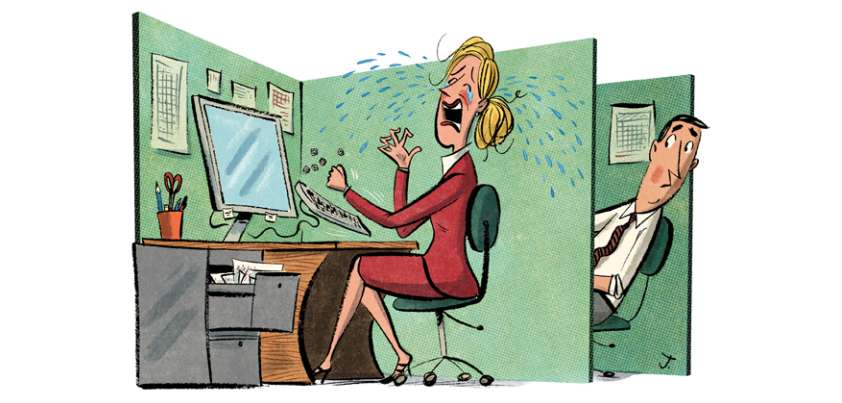
Everyone Cried: Flash story by Lydia DavisThis story from Lydia Davis is sad enough to make you want to cry. It paints a bleak picture of how our lives are dominated by the little things that go wrong, and how these can lead to depression and tears. Some respite may come at the end of the day, but only if things are going well at home. Most of the story is told in the past tense, about a time when I was young. Does this imply that as we get older we become so accustomed to these daily frustrations that they don’t bother us as much?

Continue ReadingEveryone Cried

Dead Men’s Path

Dead Men's Path: Short story by Chinua AchebeThe major theme of this story by Chinua Achebe is cultural clash, as reflected in the reformist zeal of a new headmaster who objects to local villagers walking through school grounds to access a path that is important to their animist beliefs. Set in a rural Nigerian mission school, the story takes place in 1949 when the country was still under British rule. It is ironic that, being Nigerian, the young headmaster failed to grasp the seriousness of the villagers’ concerns, whereas his “white Supervisor” seems to immediately understand the situation. Other themes include colonialism, tradition, superstition, pride, arrogance, retribution.

Continue ReadingDead Men’s Path