The Outsider

The Outsider: Short story by H. P. LovecraftH. P. Lovecraft was a pioneer of cosmic horror, a sub-genre in which gothic settings and “other-worldly” elements replace shock and gore. A feature of his writing is nightmare-like plot twists that defy logic or reason. Here, a man grows up alone in a decaying castle set among frightening woods. When he climbs the crumbling castle tower to look further afield, he finds a stone slab that leads to an earth-like world above the clouds. He is excited to encounter other people, but soon learns a frightening truth. Themes include alternative reality, isolation and loneliness, social rejection, alienation, self-discovery.

Continue ReadingThe Outsider

A Day in the Dark

A Day in the Dark: Short story by Elizabeth BowenIn this story by Elizabeth Bowen, a woman recalls when, as a fifteen-year-old girl “platonically” in love with her uncle, she was forced to re-examine their relationship. The source of her concern were snide comments by an old woman the uncle had fallen into talk with, which caused her to think that their comings and goings were the subject of town gossip. A feature of the story is the ambiguity as to the true feelings between the main characters, and the reason for the uncle’s clandestine visit to a hotel. Themes include innocence and experience, sexual awareness, deception, guilt, rumour.

Continue ReadingA Day in the Dark

Children of the Ash-Covered Loam

Children of the Ash-Covered Loam: Short story by N. V. M. GonzalezThis charming story by N. V. M. Gonzalez describes life and ritual during the planting season in a Philippine subsistence farming family. The major conflict in the story, where families band together to communally sow each other’s kaingin (slashed and burned fields), is with nature. A feature of the story is the coming of age of a seven-year-old boy as he receives his first farming responsibility and comes to understand how life emerges from the dark womb of the land. Themes include family, community, living in harmony with the land, the cycle of life, superstition and ritual.

Continue ReadingChildren of the Ash-Covered Loam

A Guide to Berlin

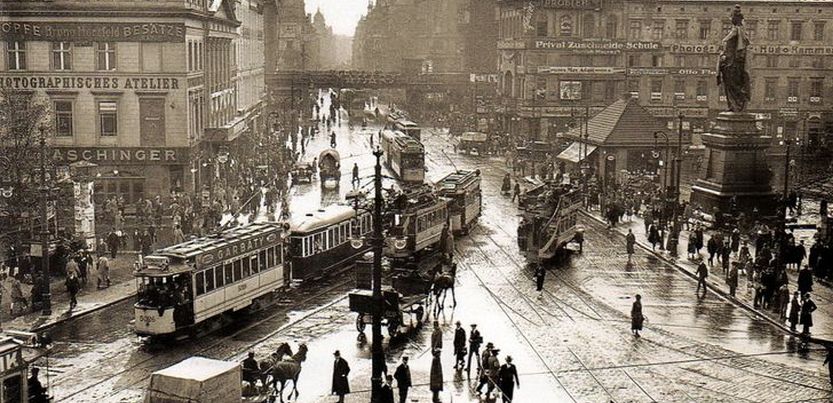
A Guide to Berlin: Short story by Vladimir NabokovThis early story by Vladimir Nabokov is not about places to see in Berlin, but rather the narrator’s observations of some everyday aspects of city life. Through a series of vignettes he describes pipes left on the footpath, the streetcar system, people he sees working on the streets, the city zoo and the pub in which he is drinking with a friend. Themes include the relationship between time and memory (how some things we experience today will become “future recollections”), and the artist’s duty to record his/her experiences in detail for the benefit of future generations.

Continue ReadingA Guide to Berlin

Henne Fire

Henne Fire: Short story by Isaac Bashevis SingerSet in pre-World War 1 Poland, this story by Isaac Bashevis Singer explores how a small Jewish community interacts with a seemingly deranged woman who the narrator describes as not a human being but a fire from Gehenna [hell]. Her abusive behaviour forces her family to flee their home and, in keeping with the biblical analogy, small fires tend to pop up around her wherever she lives. A major theme of the story is community, reflected in the support she receives despite her offensive behaviour and the fire risk to neighbors. Other themes include madness, fear, alcohol abuse, the supernatural.
Continue ReadingHenne Fire

The Garden Party

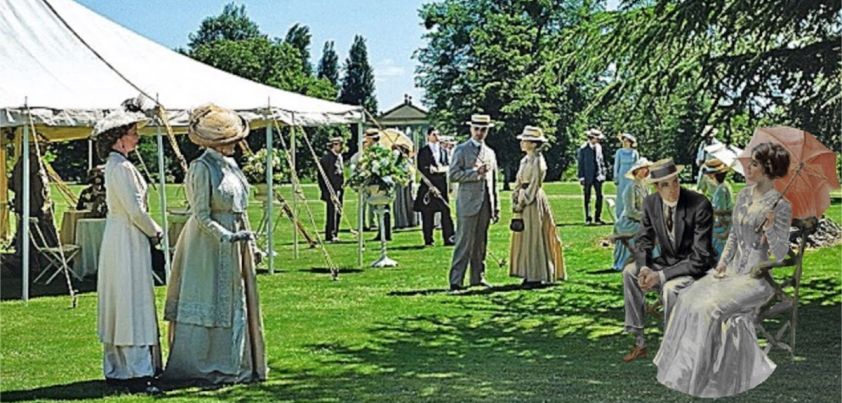
The Garden Party: Short story by Katherine MansfieldBecause of the complex issues raised, this is one of Katherine Mansfield’s most highly acclaimed stories. A wealthy family enjoy an ostentatious garden party in the spacious grounds of their mansion, fully aware that the father of a poverty-stricken family living within hearing distance died in an accident earlier the same day. Only one family member (a teen-aged girl) is sensitive to the poor family’s plight. She visits the house to offer condolences, and experiences an epiphany when unexpectedly ushered in to view the body. Themes include social class (class-consciousness, pretention, insensitivity towards others), poverty, innocence, humanity, coming of age.

Continue ReadingThe Garden Party

Stories of the Bad & Good Little Boys

The Stories of the Bad & Good Little Boys: Short stories by Samuel Clemens (aka Mark Twain)We are presenting these stories from Samuel Clemens (aka Mark Twain) together because, although the characters appear to be opposites, they actually support the same themes: 1) all people have a bad and/or selfish side; and 2) whether good or bad, people don’t always get the reward/punishment they deserve. While the bad boy appears inherently evil, the “good” boy’s motivation is his selfish wish for eternal praise. With its over-the-top sarcasm, the story of the bad little boy has an even more depressing message… bad boys grow into bad men, and the worst of them end up becoming successful politicians!

Continue ReadingStories of the Bad & Good Little Boys

Faith, Love, Time and Dr. Lazaro

Faith, Love, Time and Dr. Lazaro: Short story by Gregorio C. BrillantesThe major themes of this story by Gregorio C. Brillantes are expressed in the title. A country doctor, disillusioned by the suffering of patients and his oldest son’s suicide, has lost faith in religion and become detached from his deeply religious wife and younger son. As the son accompanies him on a late night house call to attend a dying baby, he realizes how out of touch the two have become. Upon their return, he has a momentary epiphany: for things like love, there was only so much time. Other themes include indifference, isolation, duty, father-son relationships, poverty.

Continue ReadingFaith, Love, Time and Dr. Lazaro