The Cow of the Barricades

The Cow of the Barricades: Short story by Raja RaoThis story from Raja Rao takes place during India’s struggle for independence from British rule. It highlights two major aspects of the conflict: the people’s desire for self-government, and the division within the people between those who supported Gandhi’s directive of passive resistance and those who advocated violent confrontation. The symbol of Gandhian resolution is a revered cow (a holy animal in Hindu culture) which, like many such advocates over the years, is martyred for the cause after leading a crowd of peaceful protesters to barricades as fighting is about to begin. Themes: independence, faith, nonviolent resolution of conflict.

Continue ReadingThe Cow of the Barricades

The Quilt / Lihaaf

The Quilt / Lihaaf: Short story by Ismat ChughtaiIn this story by Ismat Chughtai, a mother leaves her young daughter in the care of her adopted sister. The sister’s husband spends his time entertaining young, fair and slim-waisted boys, while she spends her day being “attended to” by a personal servant/masseuse who also shares her bed. The girl, who sleeps in the same room, is frightened by what seemingly goes on under her aunt’s quilt. Disturbingly, when her aunt’s servant is away for a few days, she tries to groom the girl for the role. Themes include patriarchy, sexuality, female desire and fulfilment, child grooming and sexual abuse.

Continue ReadingThe Quilt / Lihaaf

Stones in My Passway, Hellhound on My Trail

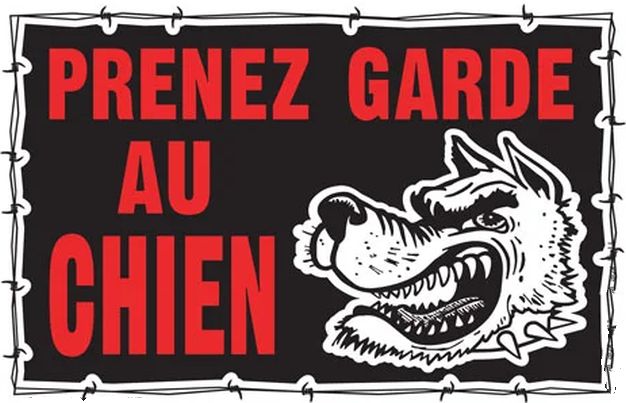
Stones in My Passway, Hellhound on My Trail: Short story by T. C. BoyleThis story from T. C. Boyle is a fictionalized account of the last night in the life of American blues musician Robert Johnson. Although heralded today as a master of the blues, he received little acclaim while alive and led an itinerant, poorly disciplined life. A rumour circulating at the time was that Johnson had sold his soul to the devil in exchange for musical prowess. The story suggests that it was a jilted woman, rather than a hellhound collecting the devil’s due, that brought about his demise. Themes include death, fate vs. free will, music, self-indulgence and jealousy.

Continue ReadingStones in My Passway, Hellhound on My Trail

The Scarlet Ibis

The Scarlet Ibis: Short story by James HurstThis tragic story from James Hurst contrasts the innocent outlook of a physically challenged boy with the pride and cruelty of his older brother. It is as if the older boy has two younger brothers: the imaginative storyteller that he clearly loves, and the disabled boy he is ashamed to be associated with. In an effort to mould Doodle to meet his expectations, he pushes the poor lad to a point where his heart can no longer bear the strain. Themes: the beauty and power of nature, acceptance vs. desire to change others, love vs. shame, cruelty, death, regret.

Continue ReadingThe Scarlet Ibis

Jacklighting

Jacklighting: Short story by Ann BeattieIn this story by Ann Beattie, a troubled couple who have travelled from New York to Virginia each year to visit a free-spirited friend and his brother on his birthday, make the trip once more on the birthday following his death. The trip is ostensibly to comfort the friend’s brother. Ironically, although each of them clearly loved the dead man and is in need of closure, they suppress their feelings and do not even talk about him. Themes include friendship, the burdens and unpredictability of life and death, death as relief from suffering, grief and mourning.

Continue ReadingJacklighting

Here We Are

Here We Are: Short story by Dorothy ParkerThis story by Dorothy Parker comprises a dialog between a young newlywed couple traveling by train to their honeymoon destination. It is clear that both are nervous, and that their relationship has hitherto been platonic. The bride appears particularly insecure, and challenges several things her new husband says as indications that he doesn’t care for her, her family, and her taste in fashion. She is looking for affirmation of his love, which he provides, and deflecting thoughts of what they both know will happen that evening. Themes include marriage, innocence, communication, insecurity, jealousy, embarrassment, sex.

Continue ReadingHere We Are

Because My Father Always Said He Was the Only Indian Who Saw Jimi Hendrix Play ‘The Star-Spangled Banner’ at Woodstock

Because My Father Always Said He Was the Only Indian Who Saw Jimi Hendrix Play 'The Star-Spangled Banner' at Woodstock: Short story by Sherman AlexieIn this story by Sherman Alexie a Native-American boy recalls the good and not-so-good times before his father rode off on his motorcycle, never to return. His father led a rebellious early life, spent two years in prison, visited Woodstock, and came home a heavy drinker. The relationship between his parents was volatile, alternating between alcohol induced arguments and lovemaking. The boy’s father had difficulty opening up and music, especially the titular song, was an important catalyst for communication between them. Themes include father-son relationships, war (in all contexts), alcoholism, marriage breakdown, abandonment, memory, the power of music.

Continue ReadingBecause My Father Always Said He Was the Only Indian Who Saw Jimi Hendrix Play ‘The Star-Spangled Banner’ at Woodstock

The Ones Who Walk Away From Omelas

The Ones Who Walk Away From Omelas: Short story by Ursula Le GuinThis philosophical narrative by Ursula Le Guin describes life in the seemingly utopian city of Omelas. We learn that almost everyone in the city lives in complete happiness. There is no organized system of rule, few laws, sexual freedom, no crime, no violence, and nobody living in want. Sadly, there is a blight on this “paradise”. For happiness to prevail, a single child must live in absolute misery, locked up alone in an underground cell. Themes: morality and moral compromise (the price of happiness), victimization, complicity (collective knowledge = shared responsibility), guilt, courage (the ones who “walk away”).

Continue ReadingThe Ones Who Walk Away From Omelas