A Perfect Day for Bananafish

A Perfect Day for Bananafish: Short story by J. D. SalingerThe major theme of this J. D. Salinger story is an extension of another we have featured by the same author. In For Esmé with Love and Squalor, a teenager’s friendship and compassion help a young soldier recover from PTSD. Here, a returned soldier is suffering its long-term effects. He copes by trying to avoid the company of adults (including his vain, materialistic wife) and finds pleasure in music, poetry and spending time with young children. Major themes: the effects of war on mental health, alienation, loneliness, childhood innocence, vanity and materialism, suicide.

Continue ReadingA Perfect Day for Bananafish

The Red Bow

The Red Bow: Short story by George SaundersThis dystopian story from George Saunders is often referred to as a metaphor for the post 9-11 Afghan and Iraq Wars. It is also an allegory of a much older, far-reaching problem… ethnic cleansing. A small group of dogs (people) is seen as a direct threat and are eliminated. After this, paranoia sets in. All dogs and cats (minority groups) become suspect and must also be removed. The dictatorial rise of Uncle Max by exploiting fear of the perceived “enemy” is also symbolic of the way many world leaders have come to power. Themes: tragedy, grief, paranoia, protection, authoritarianism.

Continue ReadingThe Red Bow

And of Clay Are We Created

And of Clay Are We Created: Short story by Isabel AllendeThis confronting story from Isabel Allende is based on the real life plight of Omayra Sánchez, killed in a volcanic eruption in 1985. It highlights the confusion and suffering that often accompanies natural disasters, and the human and psychological tolls on both victims and responders. The irony of the story is that despite the massive resources employed by news agencies to cover the incident, they were unable to locate and bring in a pump to save the girl. Themes include man against nature, compassion, courage, faith/acceptance of fate, the healing effect of facing and sharing past tragedies.

Continue ReadingAnd of Clay Are We Created

This Way for the Gas, Ladies and Gentlemen

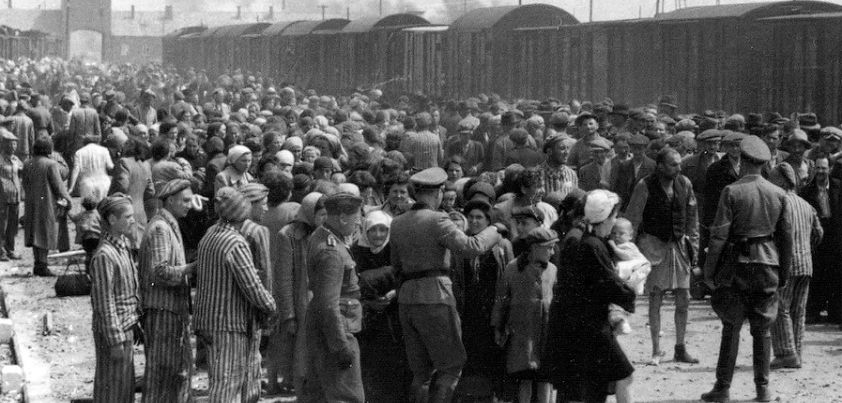
This Way for the Gas, Ladies and Gentlemen: Short story by Tadeusz BorowskiThis almost clinical account of Tadeusz Borowski’s holocaust experiences explores an often overlooked aspect of the so-called “final solution”: how general prisoners forced to assist in sending the condemned to gas chambers became so desensitized to the brutality that many actively participated in it. Because of their access to discarded food and clothing, these men formed the “elite” among the prisoner hierarchy. In camp, their insensitivity to suffering prevailed and many looked down on and showed little compassion for the plight of “less fortunate” fellow inmates. Themes: man’s inhumanity to man, death and suffering, the survival instinct, detachment, guilt, rationalization.

Continue ReadingThis Way for the Gas, Ladies and Gentlemen

The Minister’s Black Veil

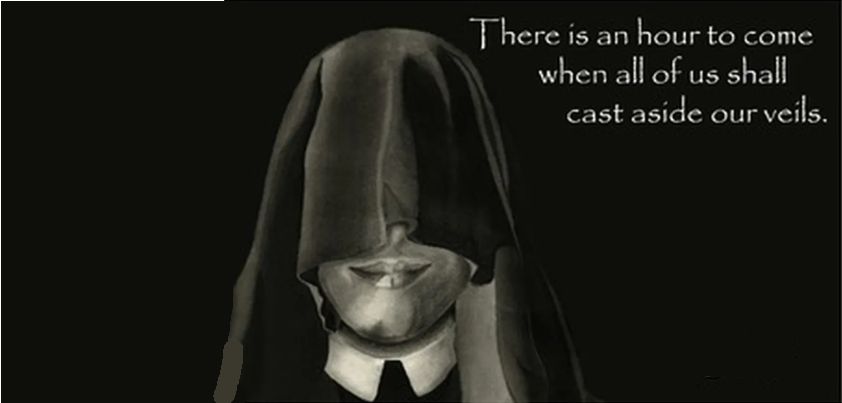
The Minister's Black Veil: Short story by Nathaniel HawthorneIn this Nathaniel Hawthorne story, a church minister frightens and intrigues parishioners by spending most of his life hiding his face behind a black veil. themes include uncertainty (Why the veil?), alienation and loneliness, hidden sins (for which the veil may be a symbol), moral superiority, guilt, fear, and death. Most readers consider the story from the parishioner’s side. However, it is interesting to contemplate how dark the world must look to the minister. Is the veil the equivalent of the dream by a character in another Hawthorne story (Young Goodman Brown): a reminder of the evil in every man?

Continue ReadingThe Minister’s Black Veil

The White Horses of Vienna

The White Horses of Vienna: Short story by Kay BoyleThis story from Kay Boyle reflects the rise of Austrian Nazism in the early 1930s. Its main characters are an injured doctor (and Nazi sympathizer), his anti-Semitic wife, and a Jewish locum sent to work with them. The story neither condemns nor condones Nazism. A puppet show alludes to the injured doctor’s political ideals; a tale about Vienna’s famed Lipizzaner horses is a metaphor for the fall of the Austrian Empire and the dire economic circumstances that will soon encourage the government to welcome Hitler’s armies. Themes include isolation and natural beauty, family, racism, fascism, activism vs. acceptance.

Continue ReadingThe White Horses of Vienna

God Sees the Truth, But Waits

God Sees the Truth, But Waits: Short story by Leo TolstoyThis is one of Leo Tolstoy’s earlier short stories, published between his two epic novels War and Peace and Anna Karenina, and thirteen years before What Men Live By. It has themes of injustice, acceptance, forgiveness and redemption. The protagonist suffers a dramatic fall in worldly terms, which is more than matched by his growth in spiritual grace. The plot was not new. It is a re-working of an almost identical tale from War and Peace related by peasant character Platon Karataev. The novel was written for the Russian nobility; this version was targeted at its common people.

Continue ReadingGod Sees the Truth, But Waits

One Ordinary Day, With Peanuts

One Ordinary Day, With Peanuts: Short story by Shirley JacksonThe protagonist in this story from Shirley Jackson initially appears too good to be true. A seemingly ordinary man fills his pockets with candy and peanuts and walks the streets of New York, helping strangers and acting “Mr. Nice Guy”. The apparent theme is making a difference… how a good deed, a kind word, or even just a smile can brighten up someone’s day. It is not until we reach the end of the story that we are presented with two other themes: things are not always what they seem, and the duality of good and evil.

Continue ReadingOne Ordinary Day, With Peanuts